Last updated November 23, 2026
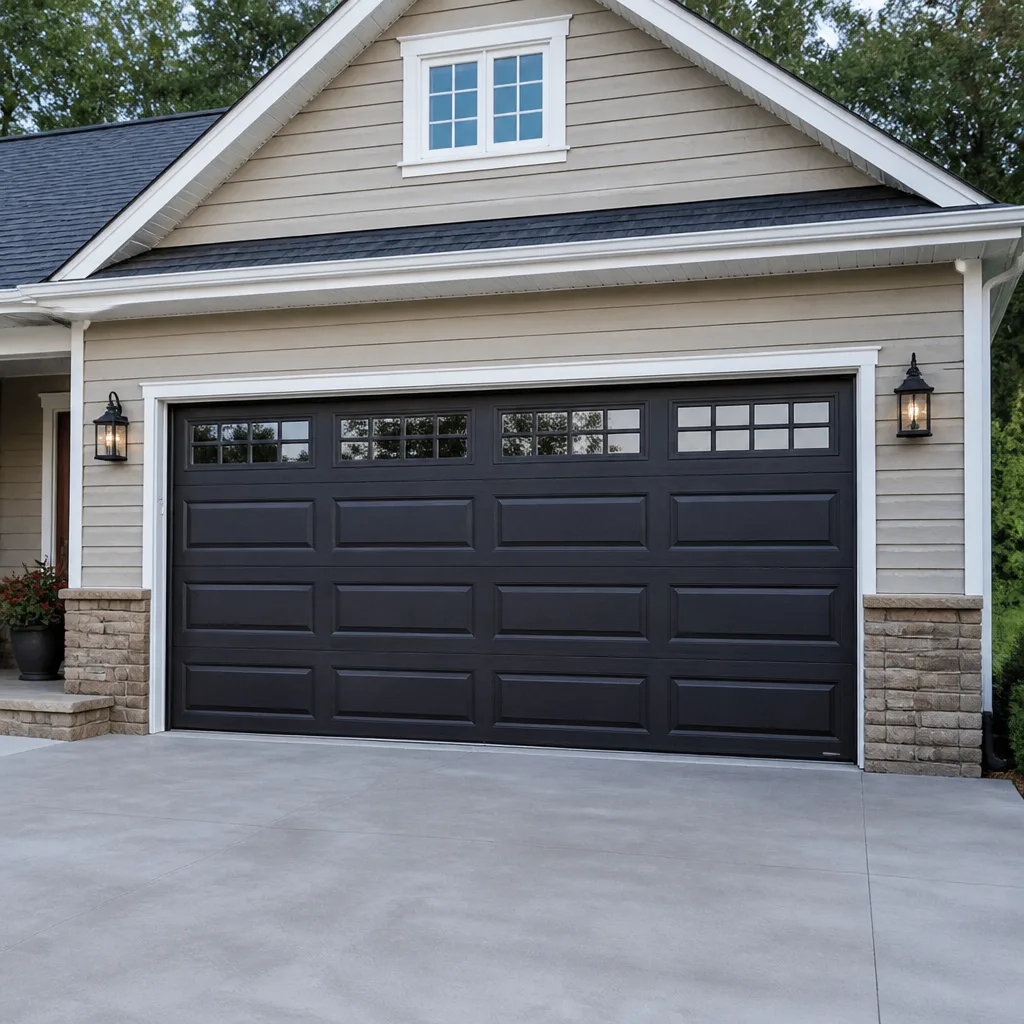 Raised-panel steel
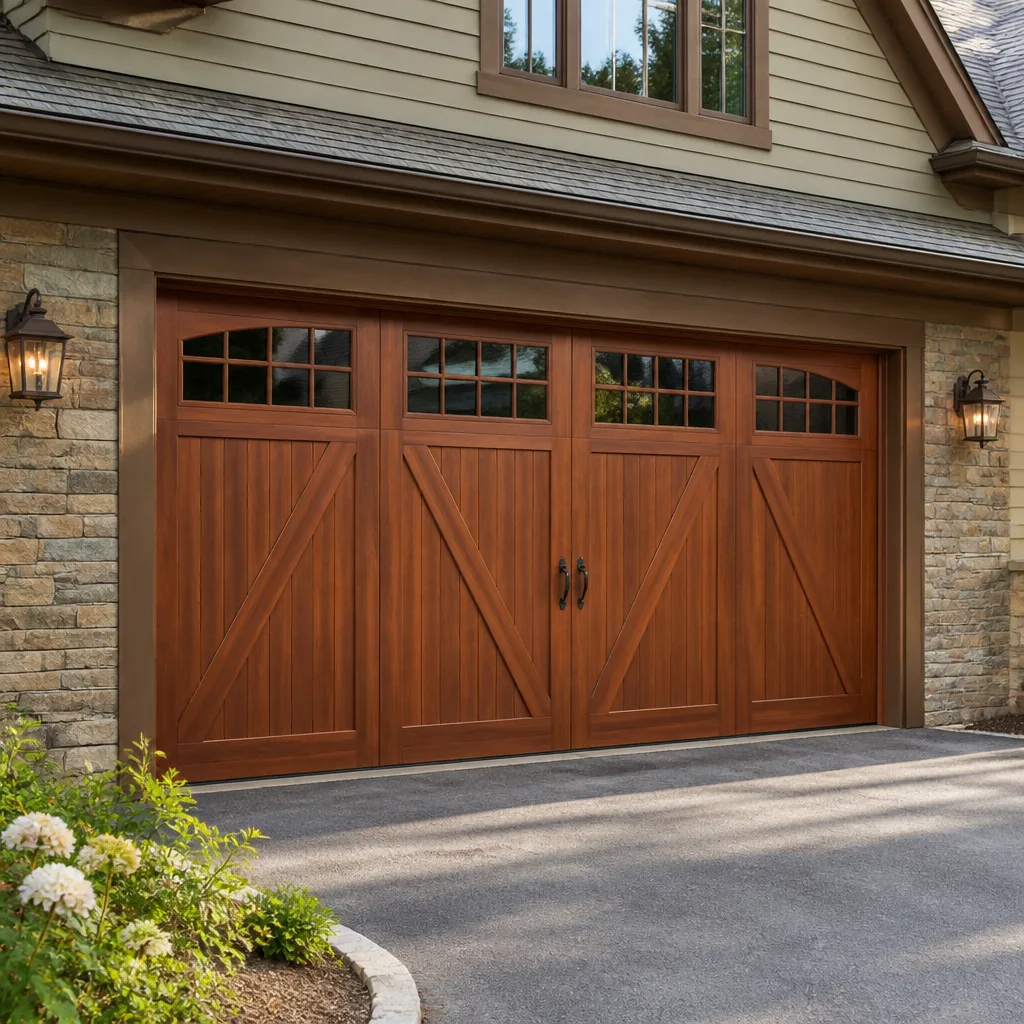 Carriage house
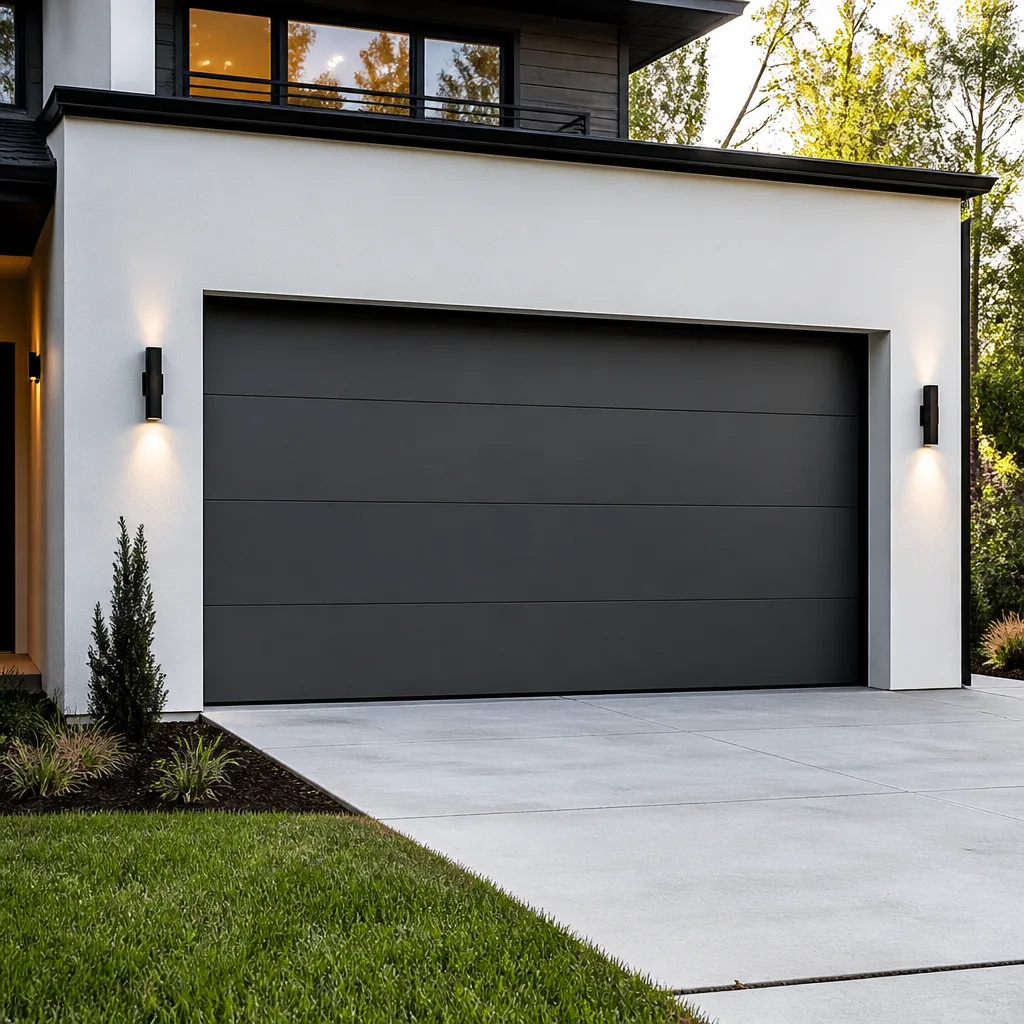 Modern flush
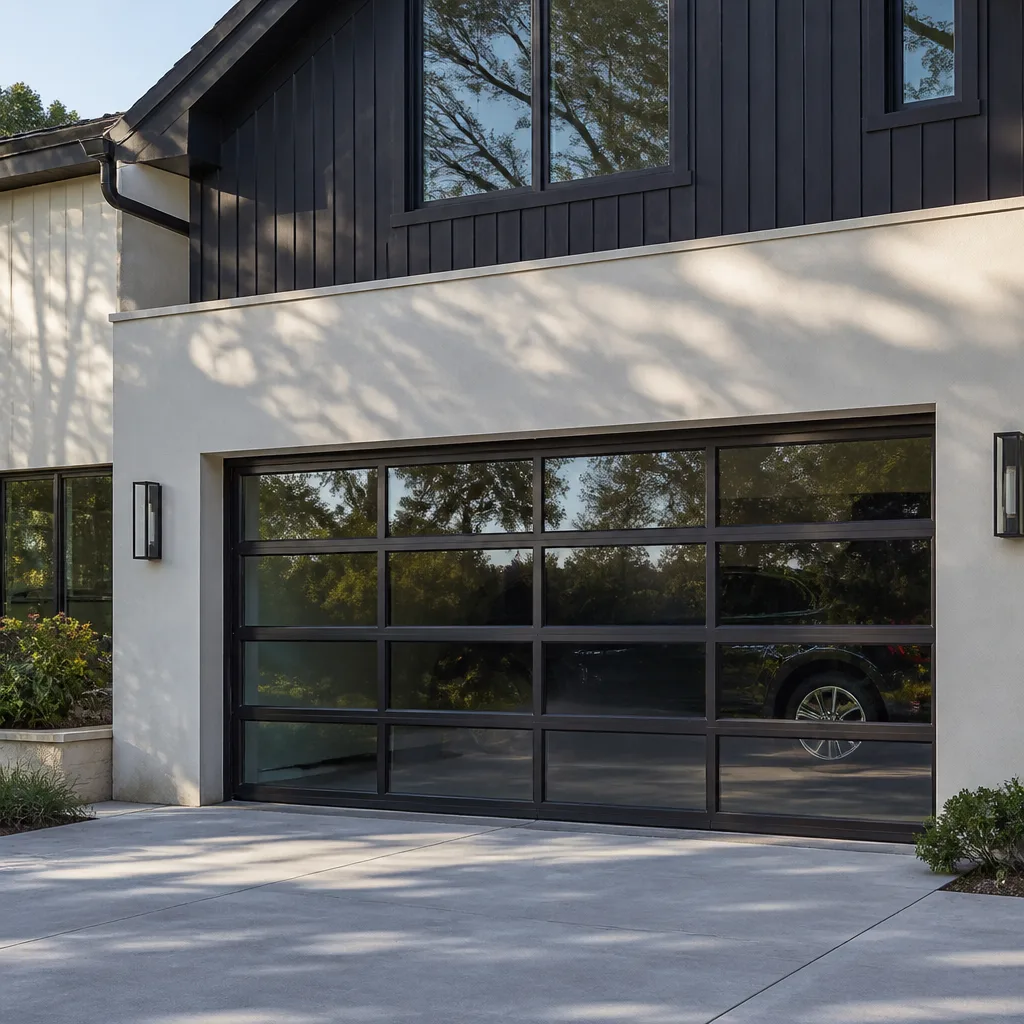 Full-view glass
 LiftMaster openers
 Chamberlain openers
Full 25-point door and opener safety check with every visit - springs, cables, rollers, tracks, and your LiftMaster or Chamberlain opener included
You get a price before we start. It does not change when the pro arrives.
Get your free estimateGarage Door Cost Breakdown: The Schaumburg Homeowner’s Reference for 2026
Search “garage door replacement cost” and you’ll get a national range of roughly $600 to $4,000. That spread is close to useless. It averages a single-car door in rural Mississippi with a two-car insulated door in a Chicago suburb, and it hides the number you actually need: what a fair quote looks like in Schaumburg in 2026. Labor here costs more than the national median. So does the insulated door a local attached garage calls for. What we’ll do on this page is break the 2026 Schaumburg price into its parts, line by line, so you can look at a quote and know within a couple hundred dollars whether it’s honest. We’ll also cover the numbers quotes tend to leave out, and when spending more now pays you back.
Quick Answer
A standard two-car garage door replacement in Schaumburg typically runs about $1,800 to $3,400 installed in 2026, with insulated steel doors in the middle of that range and basic non-insulated doors at the low end. A single-car door replacement usually falls around $1,200 to $2,200. The written estimate you get after a free measure is the final price, and it should itemize the door, hardware, springs, opener, labor, and haul-away separately.
Styles & brands we work with
- Raised-panel steel
- Carriage house
- Modern flush
- Full-view glass
- LiftMaster openers
- Chamberlain openers
Table of Contents
- Why National Cost Guides Miss the Schaumburg Market
- Line-Item Breakdown: What Each Component Costs in Schaumburg
- The Insulation Value Curve: Where R-13 to R-16 Is Worth It
- Hidden Costs Quotes Often Skip
- How to Compare Apples-to-Apples Quotes Across Brands
- Gauge, Springs, and Openers: Paying More Upfront vs. Later
- Repair Costs vs. Replacement: Where the Line Sits
- Questions to Ask Before You Sign
Why National Cost Guides Miss the Schaumburg Market
National cost guides are built from averages across the whole country, and garage door work is one of the least portable trades you can price. Door panels ship from regional distribution centers, so freight to a Schaumburg address is different from freight to a rural ZIP. More important, labor rates here reflect the northwest suburban Chicago market, where a trained installer’s hourly cost sits well above the national median. A guide that quotes a national average isn’t lying; it’s just averaging a world of different conditions into one number.
The other problem is climate. A national guide can’t tell you what your door actually has to survive. Schaumburg gets genuine Chicago winters. Overnight lows fall well below freezing for weeks at a stretch, we get a lot of freeze-thaw cycles over the season, and the door on an attached garage is the biggest single heat leak between your house and the outside. That’s why insulated doors matter more here than the national average reflects, and why the right door for a Schaumburg home usually costs a bit more than the bottom of the national range.
There’s a market factor too. Northwest suburban buyers and homeowners have been through several years of volatile steel and freight pricing. What you’ll find locally is not a bargain-basement market, it’s a competitive one. Established specialist companies in Schaumburg are busy, so quotes cluster more tightly than the national range suggests. When you get a quote far below the local range, it usually means a downgraded door, fewer springs, or a labor shortcut, not a better deal.
Here’s what all that means in practice. A two-car replacement in Schaumburg in 2026 typically lands in the $1,800 to $3,400 band installed. Basic non-insulated doors come in at the bottom. Insulated steel doors, which is what most attached garages here should have, sit in the middle. Premium gauges, carriage-house styling, and custom sizes push toward the top or above. If you’re seeing $600 quotes, you’re looking at a national average, not your market. If you’re seeing $6,000 quotes for a standard two-car replacement, ask what’s actually in it.
Line-Item Breakdown: What Each Component Costs in Schaumburg
The number that matters is the one itemized line by line. A single lump-sum quote tells you nothing about whether the company is making its margin on labor, the door, or an inflated opener markup. In our experience, an honest quote separates each piece so you can sanity-check it. Here’s what each component typically runs in Schaumburg in 2026.
- Door panel(s) or section set: roughly $700 to $1,800 for a standard two-car steel door, depending on insulation and gauge. This is the single biggest line, and the one most worth comparing carefully.
- Hardware and track: about $90 to $200 for hinges, rollers, track brackets, and end plates on a standard door.
- Springs: $75 to $200 for one torsion spring. Most replacements use a matched pair, so budget for roughly double the per-spring figure.
- Opener: $180 to $450 for a belt or chain-drive opener, depending on horsepower and features. Many homes reuse an existing operational opener.
- Labor: $400 to $900 for a two-car installation, depending on door weight and access.
- Haul-away: $50 to $150 to remove and dispose of the old door and packaging.
Added up, a standard two-car replacement with a new insulated door and reusing the existing opener generally lands in the $1,800 to $3,400 band. Add an opener and you’ll climb toward the top. Strip out insulation and the same door drops toward $1,500 to $2,300. That’s the real spread in Schaumburg, and it’s tighter than any national tool will tell you.
Two things worth knowing. First, a spring price is for one spring, not a pair, and any quote that gives one number for both without explaining is worth questioning. A matched pair is usually replaced together because they wear at the same rate. Second, some quotes bundle the opener into a lump labor line, which makes it impossible to tell what you’re actually paying for it. Ask for the opener broken out separately, even if you’re not replacing it.
The Insulation Value Curve: Where R-13 to R-16 Is Worth It
Insulated door pricing has a non-linear value curve in Schaumburg. That’s a strange phrase for a homeowner, so let’s unpack it. Upgrading a door from no insulation to a basic insulated core, roughly R-13, costs the next step up and delivers the biggest single jump in comfort. Stepping from R-13 to R-16 or a bit higher costs more per R-value than that first jump, but the actual energy benefit depends on whether your garage is attached and how much of the house touches it.
In this market, most homes have an attached garage. The room above and the interior wall against the garage are common sources of cold floors, drafts, and condensation in a Schaumburg winter. An insulated door cuts heat loss through the garage face noticeably, and in a lot of attached-garage homes that’s worth more than the extra cost of the door. For detached garages or garages with no heated space touching them, the equation is different. The door can’t save energy it never touched in the first place.
Where the curve flattens: our experience is that for an attached garage, going from no insulation to R-13 is the sensible baseline, and stepping up to R-16 is worth it if the garage shares a heated wall or sits under a bedroom. Above that, you’re usually paying for comfort (less noise, less condensation) more than energy. That’s not automatically a bad buy, it’s just a different category of purchase.
So in Schaumburg, insulated steel doors in the R-13 to R-16 range are the realistic starting point for most attached garages. A basic non-insulated door is fine if you have a detached, unheated garage with no living space behind the door. If a quote is pushing you toward a premium insulated door when you’ve got an unheated detached garage, ask why. And if you’re swapping a door on a bedroom-over-garage layout, ask to see the insulated options; the energy benefit that pays off is usually right at the R-13 and R-16 tiers.
Hidden Costs Quotes Often Skip
Quotes omit the same handful of costs again and again, and each one turns into a surprise once the work is underway. The job of this section is to name all of them so you can ask about each before you sign.
- Disposal and haul-away. A lot of quotes leave this out and add it after the fact. Old doors don’t come apart quietly, and a two-car door and its packaging can add $50 to $150 to the job. Make sure haul-away is itemized.
- Permit fees, where applicable. Not every garage door replacement needs a permit, and requirements vary by jurisdiction. Ask the Schaumburg or your municipality’s building department directly, and confirm in writing whether the quote covers any permit that’s required.
- Header reinforcement. If you’re switching from a lighter door to a heavier insulated or premium door, the header above the opening may not have been built for the added weight. In older homes, this is sometimes a real cost. A good installer checks header condition during the measure and states the requirement up front.
- Track and frame repairs. A quote built on “standard install” can miss bent track, rotted jamb material, or an out-of-square opening. All three are common in older Schaumburg homes and all three add labor.
- Opener adaption. If the new door is heavier, existing opener springs and limits may need adjustment or the opener may not be strong enough. Call this out and ask what the existing opener can handle.
- Electrical work at the opener. A new opener location or added safety sensors sometimes need a small electrical change. Not every installer handles that, so ask who does.
None of these are deal-breakers individually. The point is that a written quote which names them all makes it easy to compare against one which doesn’t. A quote that starts low and grows once your door is up and the old one is out on the driveway is the pattern to avoid.
How to Compare Apples-to-Apples Quotes Across Brands
Two quotes that read the same can spec completely different doors. Clopay, Amarr, Wayne Dalton, and other brands all make a “standard steel door” and a “standard insulated steel door,” and the gap between their entry-level and mid-grade models is meaningful: steel gauge, insulation method, warranty coverage, and the way the panels form all differ. That’s not the brand’s fault. It’s the comparison’s fault. Here’s how to line them up.
- Get the model number, not just the brand. Ask for the exact model and series each quote specifies. “Clopay insulated steel” isn’t specific enough; you want the series name and model number.
- Match the panel count and size. A single-car door and a two-car door look similar on paper but are different products. Confirm the width, height, and number of sections on each quote.
- Check the steel gauge. Thicker steel (a lower gauge number) resists dents better. If one quote is a 27-gauge door and another is a 24-gauge door, you’re not comparing like with like.
- Confirm the insulation method. Is the insulation a bonded core, a vinyl-backed panel, or a polystyrene insert? These perform differently and the installed price reflects that.
- Compare the hardware and spring spec line by line. A quote with two torsion springs and thicker track is a fundamentally more durable package than one with a single spring and lighter track, even if the door face is identical.
- Check the warranty terms. Door panel warranty and hardware warranty often run different lengths. A longer panel warranty that excludes springs and rollers is not the same as a shorter all-in warranty.
The part-number approach is the fastest way to expose the mismatch. If a competing quote specs a Wayne Dalton door and yours specs an Amarr, pull up both model numbers and compare gauge, insulation, and warranty side by side. If the entries don’t line up, neither does the price. A lower quote that specs a thinner gauge, an entry level panel and single spring isn’t necessarily a worse deal. It’s just not the same product. Asking the same specialist to service whichever brand you choose removes another problem: with brand restrictions, people sometimes get steered toward whatever brand the installer carries. On our side we work with Clopay, Amarr, Wayne Dalton, and five other leading brands, so diagnosis and repair aren’t limited by what we stock. If you want to compare the job as repair rather than replacement, our garage door repair service page covers the same sort of cost questions for a fix-it approach.
Gauge, Springs, and Openers: Paying More Upfront vs. Later
Here’s the question worth asking on every Schaumburg door: is the upgrade worth it over a 10-year window? Sometimes the answer is yes. Sometimes you’re paying for a nicer door and no more than that. Let’s separate the cases.
Higher-gauge steel (thicker door)
Thicker steel resists dents from a bumped car and from winter wind, and it takes longer to fatigue at the panel seams. In a climate with real temperature swings, the door also expands and contracts every season, and thicker material holds up to that better. Over 10 years, a heavier door usually means fewer hardware replacements and fewer service calls. Whether the upgrade pays for itself depends on how long you plan to stay put. If you’re moving in two years, the math doesn’t favor it. If this is a long-term home, it usually does. The cost of continually repairing a thin door tends to catch up with the extra cost of a thicker one.
Matched pair of torsion springs vs. one
Most two-car doors use two torsion springs so that if one fails, the door doesn’t come crashing down. A single-spring setup is lighter on the initial quote but wears through both more often and leaves the door unsafe when the one spring breaks. On a Schaumburg door that cycles every day in winter, we strongly favor the pair. This is one upgrade that isn’t really an upgrade; it’s the correct spec.
Opener upgrades
A belt-drive opener is quieter and often worth it if there’s a bedroom above the garage. A stronger opener (higher horsepower) matters if you’re installing a heavier insulated door. Above and beyond that, premium opener features mostly add convenience: smartphone control, backup battery, quiet operation. Those are worth it if they’re features you’ll use, not because the sticker says premium.
Where “paying more” usually isn’t worth it in Schaumburg: custom carriage-house styling on a door that faces an alley nobody sees, an oversized opener on a standard door, or a premium insulated core on a detached garage that cares about heat. Take the spend and put it into the gauge and the springs. In our experience, that’s where the money buys real years. If you already know you’re keeping the door and just need the opener sorted, our garage door opener repair page covers that call separately.
Repair Costs vs. Replacement: Where the Line Sits
Most repairs cost less than a replacement, but not always. Here’s the rough picture for Schaumburg in 2026 so you can decide before anyone comes out to look.
- Spring replacement: $180 to $340 for one spring. A matched pair is about twice that. This is the most common repair on a door that won’t lift.
- Opener repair: $140 to $380, depending on whether it’s a sensor, gear, or logic board.
- Cable, roller, or hinge replacement: $80 to $250 per component group, depending on access.
- Panel replacement: $140 to $400 per panel, depending on the brand and whether the model is still in production.
- Full track replacement: $350 to $800.
The general rule: if two or more large repairs add up to more than roughly 50% of a new door, replacement becomes the better value. When the door is old, has rusted panels, and has had two spring replacements in a few seasons, a repair that keeps a tired door going is money down a hole. When the door is structurally sound with good panels and the only issue is hardware, a repair is usually the right call. Get a repair estimate first and let the numbers decide. That’s how we approach it: diagnosis first, recommendation second. Our garage door spring repair page gives the same breakdown specifically for spring work.
Questions to Ask Before You Sign
The right questions turn a quote into a document you can trust. Here are the ones worth asking every company before a door goes on order.
- “Can I see the itemized quote in writing?” A lump sum with no breakdown is impossible to compare. Ask for door, hardware, springs, opener, labor, and haul-away listed separately.
- “What’s the exact model number and gauge?” A brand name isn’t enough. Model, series, and gauge let you compare like with like.
- “Is the old door removed and hauled away, and is that cost in this price?” Make sure removal and disposal are on the quote, not an add-on later.
- “Is a permit required, and if so, who pulls it?” Permits vary by community. Ask your building department, then ask the installer who handles the paperwork.
- “Do you recommend a matched pair of springs?” On most two-car doors the answer should be yes, with a clear price for the pair.
- “What does the warranty cover, and for how long?” Panel warranty and hardware warranty are often different. Ask about springs and rollers specifically.
- “When you arrive for the measure, will the price change if the measure reveals something?” A good installer checks the opening, header, and track condition during the free measure, and any adjustment is stated before work begins. The price is quoted and agreed before anyone starts.
If a company can’t answer these plainly, that’s the answer. The best local specialists will welcome the questions. The line of reasoning matters less than whether you feel the numbers add up.
Common Mistakes to Avoid
- Comparing one brand against another by price alone. A Clopay entry-level door and an Amarr mid-grade door can have the same face but different gauge, insulation, and warranty. Two quotes side by side look similar until you compare the model numbers. Pull up the specs, and if they don’t line up, neither does the price.
- Getting the cheapest opener on a heavier door. A standard opener on a heavier insulated door will strain, cycle too often, and wear out early. Match the opener to the door weight, especially in Schaumburg where the door cycles every day through winter.
- Replacing a single spring when the pair is the right spec. One spring fails, a homeowner replaces only that one, and the older spring goes soon after. On a two-spring door, replace both at once.
- Skipping the free measure and ordering from a website. Your opening could be out of square, the header could need checking, and the existing track condition could change the job. Ordering on a form ignores all three, and you’ll pay for it later.
- Assuming a permit isn’t required without checking. Garage door replacement permits vary by municipality and aren’t optional where required. Ask the building department, then ask the company who pulls it.
- Taking a quote that doesn’t list haul-away. Old doors don’t disappear. A quote missing disposal usually adds it once the old door is out and the choice is gone.
- Ignoring insulation on an attached garage in Schaumburg’s climate. If the garage wall backs onto a heated room or a bedroom sits above it, a non-insulated door is comfort loss you’ll feel every winter. The first jump from none to basic insulation is usually the one worth taking.
See the difference
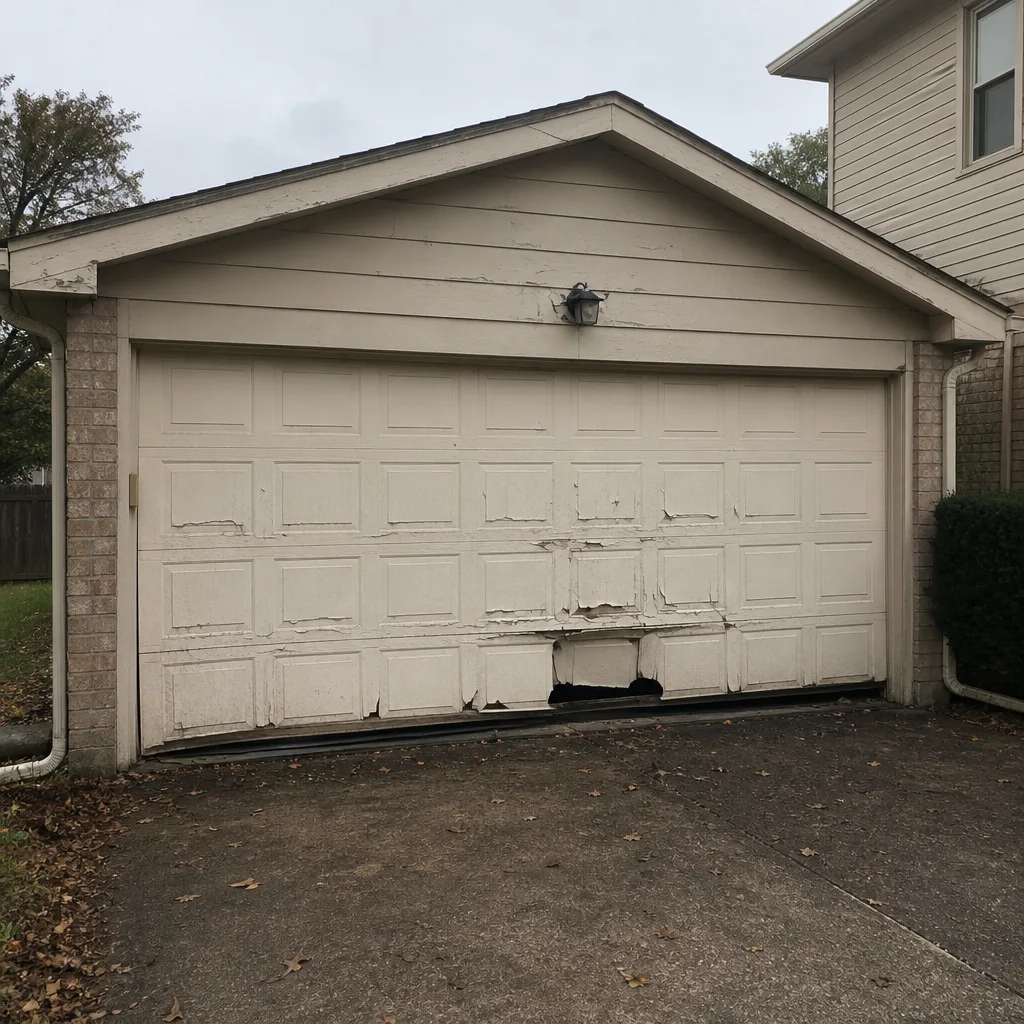 Before
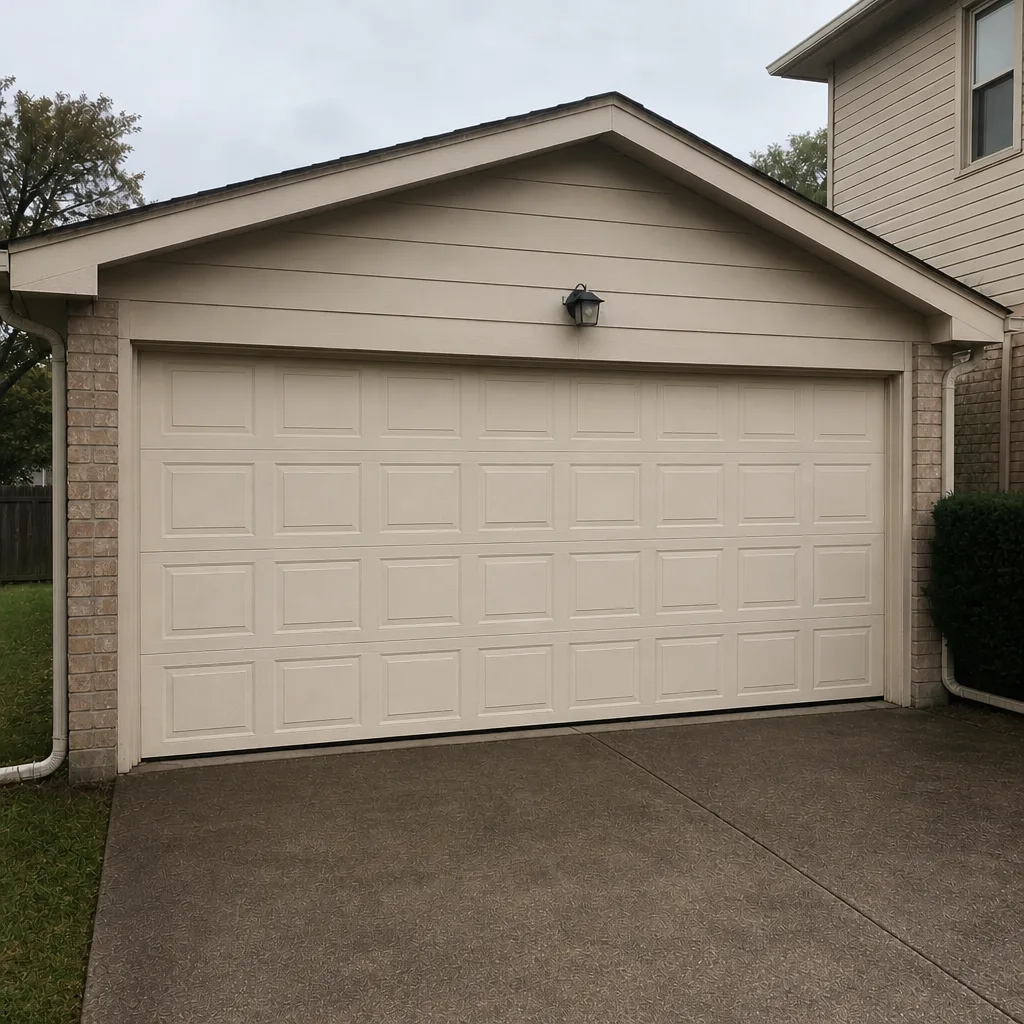 After
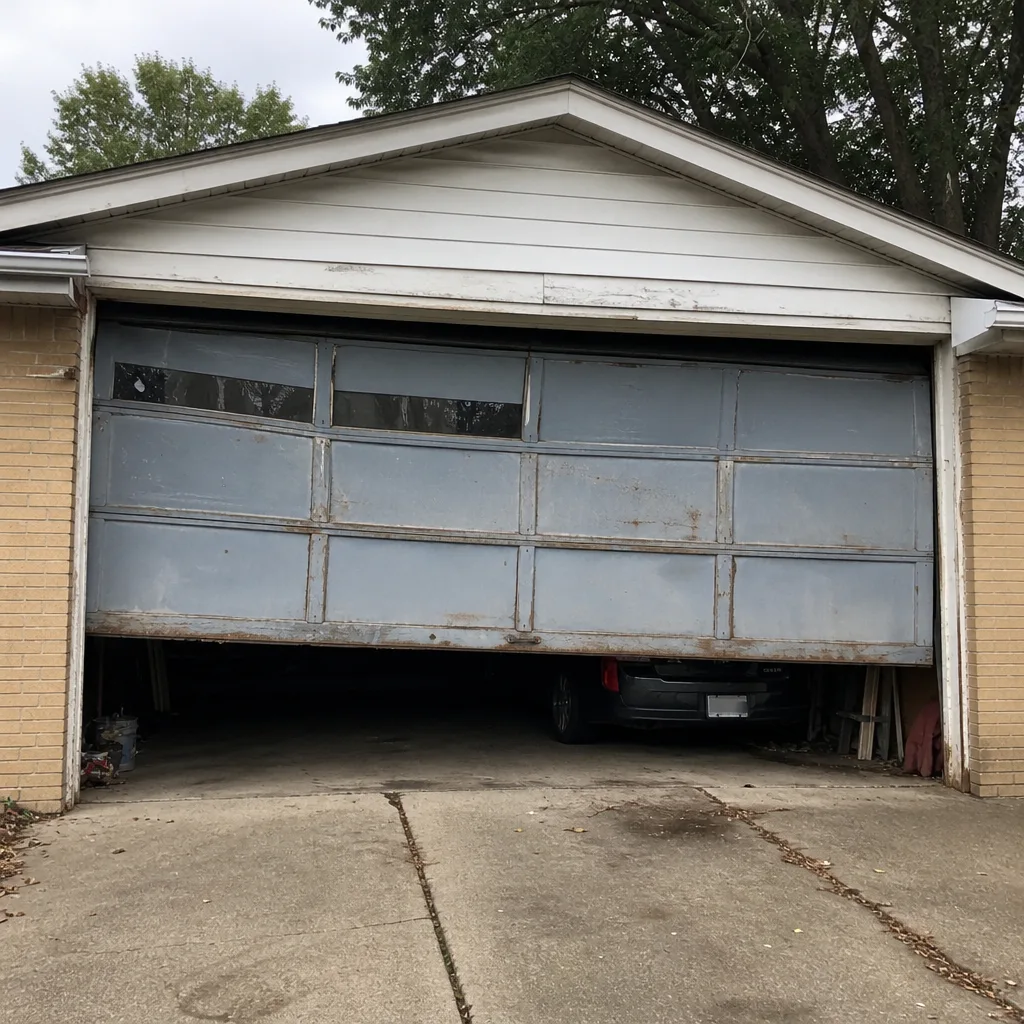 Before
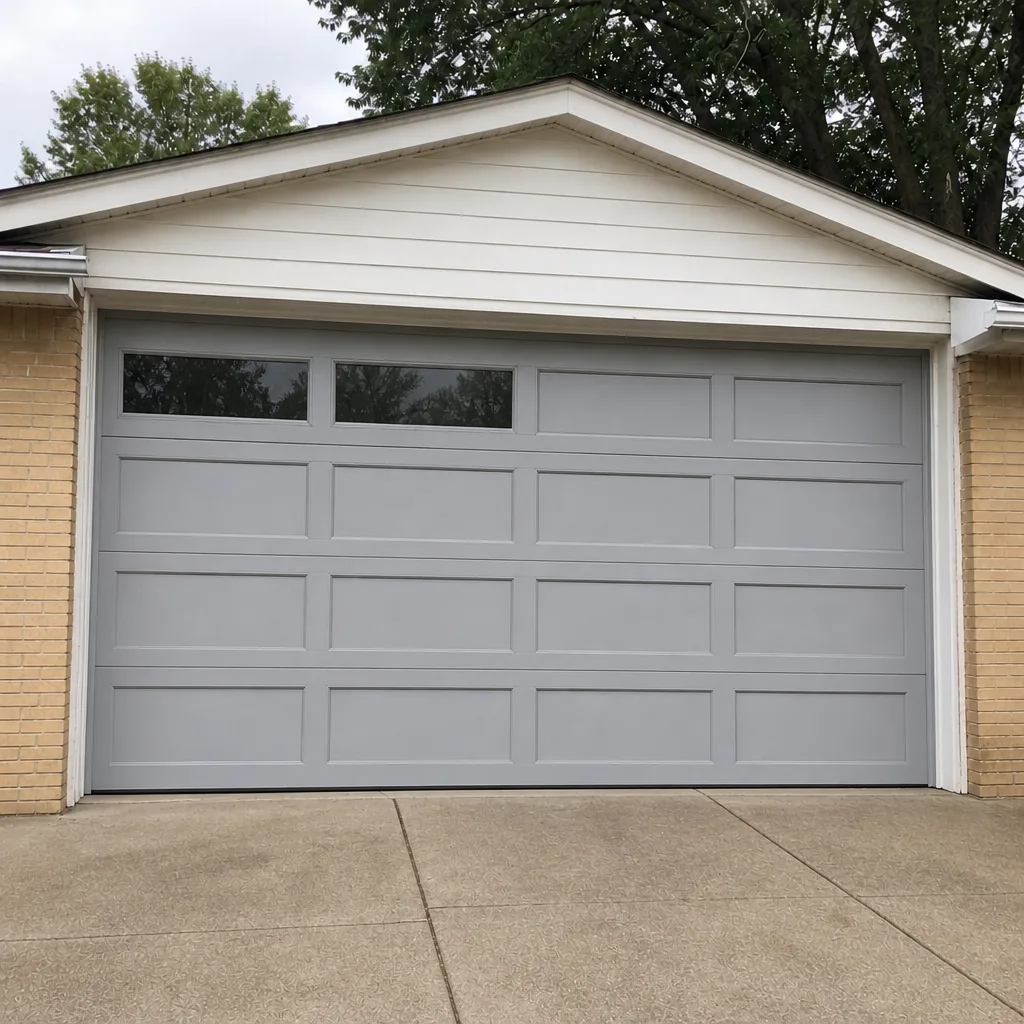 After
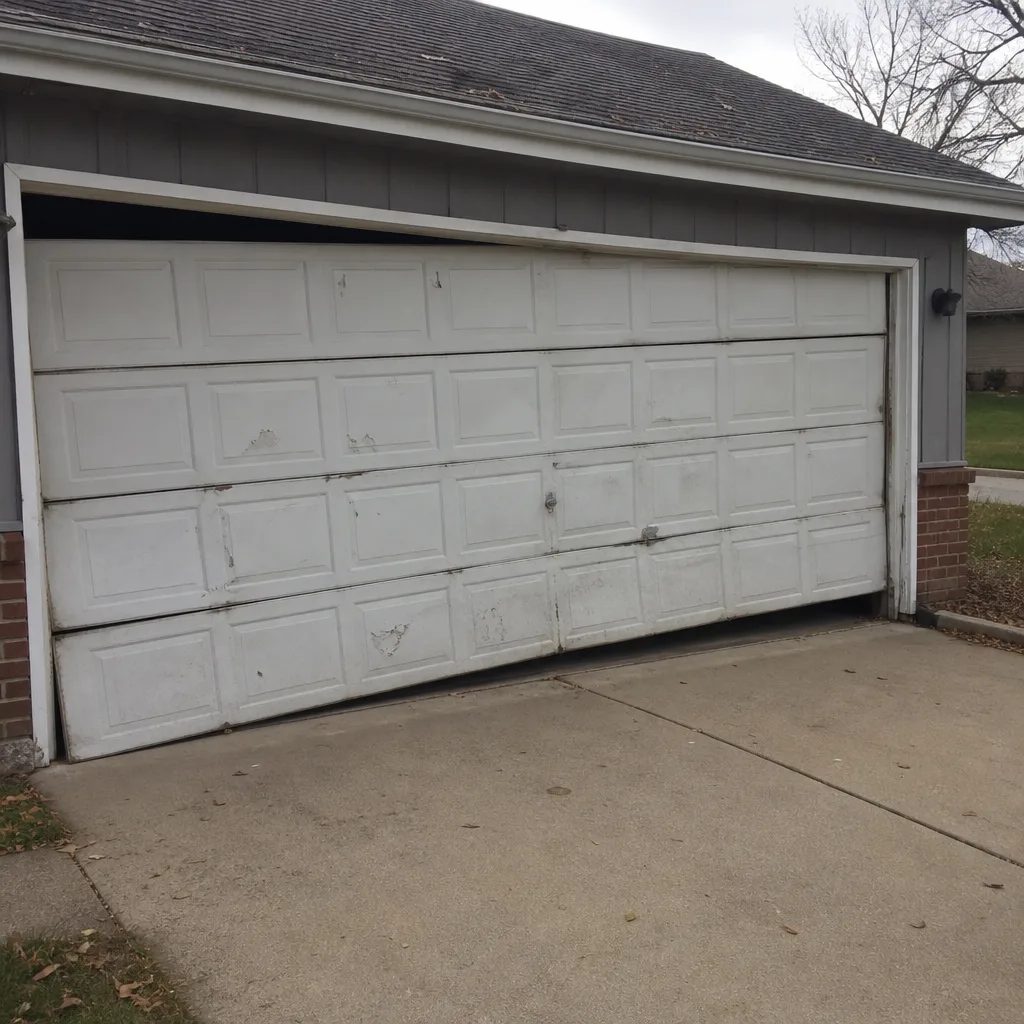 Before
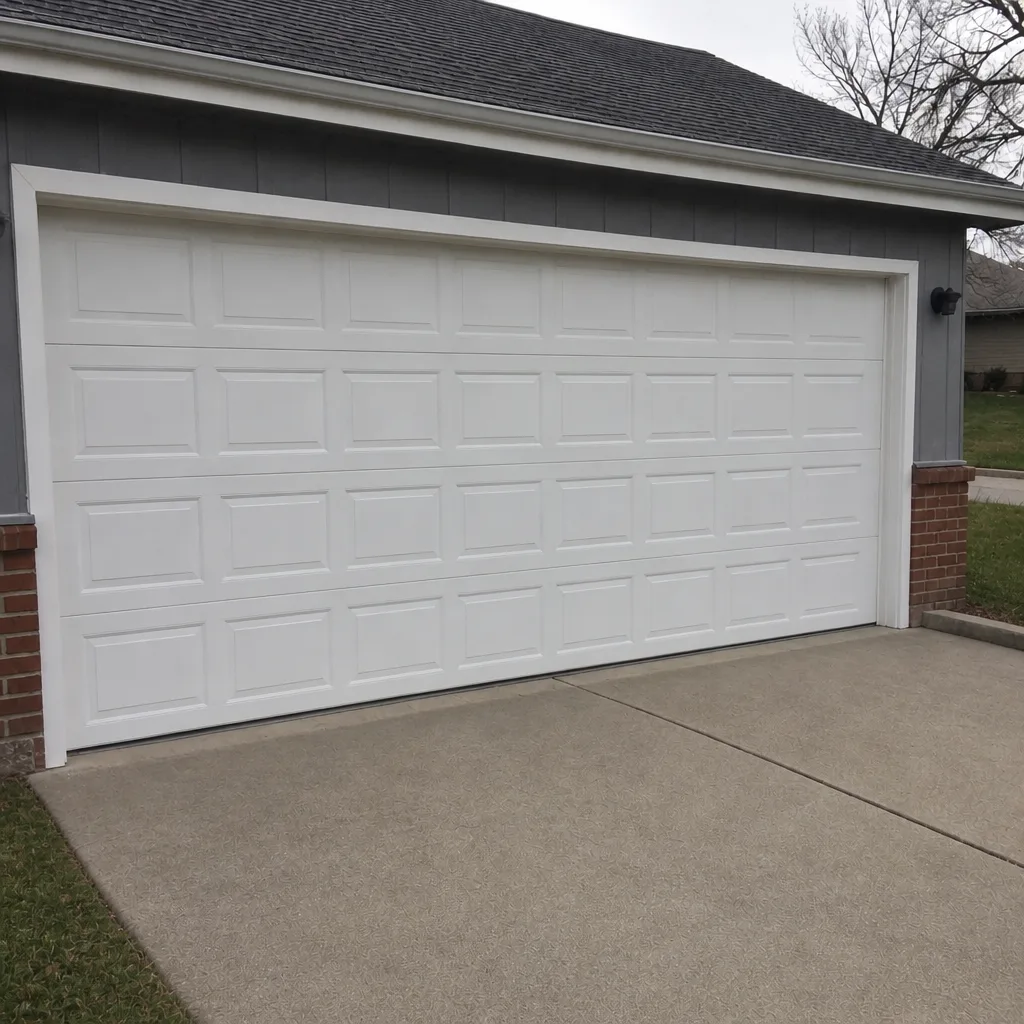 After
When to Call a Professional
Some jobs are reasonable to watch. Others need a trained professional and nobody else. High-tension torsion springs and cables are dangerous, and that’s the most important line on this page. A torsion spring under load can cause serious injury, so spring and cable work is not something to attempt. If you see a broken spring, a door hanging unevenly, or a door that doesn’t move when the opener runs, stop using the opener and call. If your cables have snapped, if the door is off its track, or if the opener runs but the door doesn’t, those are the situations where a trained technician is the only sensible call. If the door is stuck open and your house is exposed, that’s an emergency service call, not a scheduled appointment.
Schaumburg Garage Door Repair Co offers free estimates in Schaumburg – call (866) 947-9001. We handle the full chain under one call: doors, openers, and springs, from a spring that snapped to a full new door. Our technicians have up to 14 years of experience, and we work on your brand, not only the brands we’d like to sell you. The local pro who does the work is licensed and insured as their state requires.
Frequently Asked Questions
A standard two-car garage door replacement in Schaumburg typically runs about $1,800 to $3,400 installed in 2026, and a single-car door runs about $1,200 to $2,200. That includes the door, hardware, springs, labor, and haul-away, and the written estimate after a free measure sets the final price. Call (866) 947-9001 for an exact quote – estimates are free.
One spring typically costs $180 to $340 in the Schaumburg market. A matched pair is usually replaced together because they wear at the same rate, so a pair costs about twice that. Springs are high-tension parts, so this is a trained-technician job. Call (866) 947-9001 for an exact quote – estimates are free.
No. The written estimate is the price. A free measure reveals any conditions that affect the install (header condition, out-of-square opening, track condition), and anything that changes the price is stated before work starts. The price is quoted and agreed before any work begins. For a new door, call (866) 947-9001 to book a free measure.
Yes. The local pro who performs the work is licensed and insured as their state requires, and they work on LiftMaster, Chamberlain, Genie, Clopay, Amarr, Wayne Dalton, Craftsman, and Raynor products. Our technicians have up to 14 years of experience servicing those systems. Call (866) 947-9001 with questions about your specific door.
Requirements vary by municipality, and a permit isn’t automatic either way. Ask your local building department directly, then ask the company before the job is scheduled whether they handle the permit. Where a permit is required, the itemized quote should reflect it. Call (866) 947-9001 if you want help reading your quote first.
If two or more significant repairs add up to more than roughly half the cost of a new door, replacement is usually the better value. If the door panels are sound and the problem is hardware only, a repair is almost always cheaper. Get a repair estimate and let the numbers decide. Call (866) 947-9001 for a free estimate on either.
The Bottom Line
The real Schaumburg replacement spread in 2026 is tighter than any national guide admits: about $1,800 to $3,400 installed for a standard two-car door, with a single-car door at $1,200 to $2,200. The price you sign should be itemized line by line, inclusive of removal and disposal, and quoted and agreed before work starts. Compare doors by model number and gauge, not brand name, and put your upgrade money into the steel gauge and a matched spring pair first. On the question of repair versus replacement, let the cost of the repair decide against the cost of a new door. The line is usually clear once the numbers are laid out.
When you’re ready to get a written price you can trust, call Schaumburg Garage Door Repair Co at (866) 947-9001 for a free estimate. We look at the problem first, tell you what it needs, and quote it in writing before anyone touches the door. No brand restrictions. No runaround. That’s what we do, and you can reach us from the Schaumburg Garage Door Repair Co home page or by calling directly.
Written by the team at Schaumburg Garage Door Repair Co.