Last updated November 23, 2026
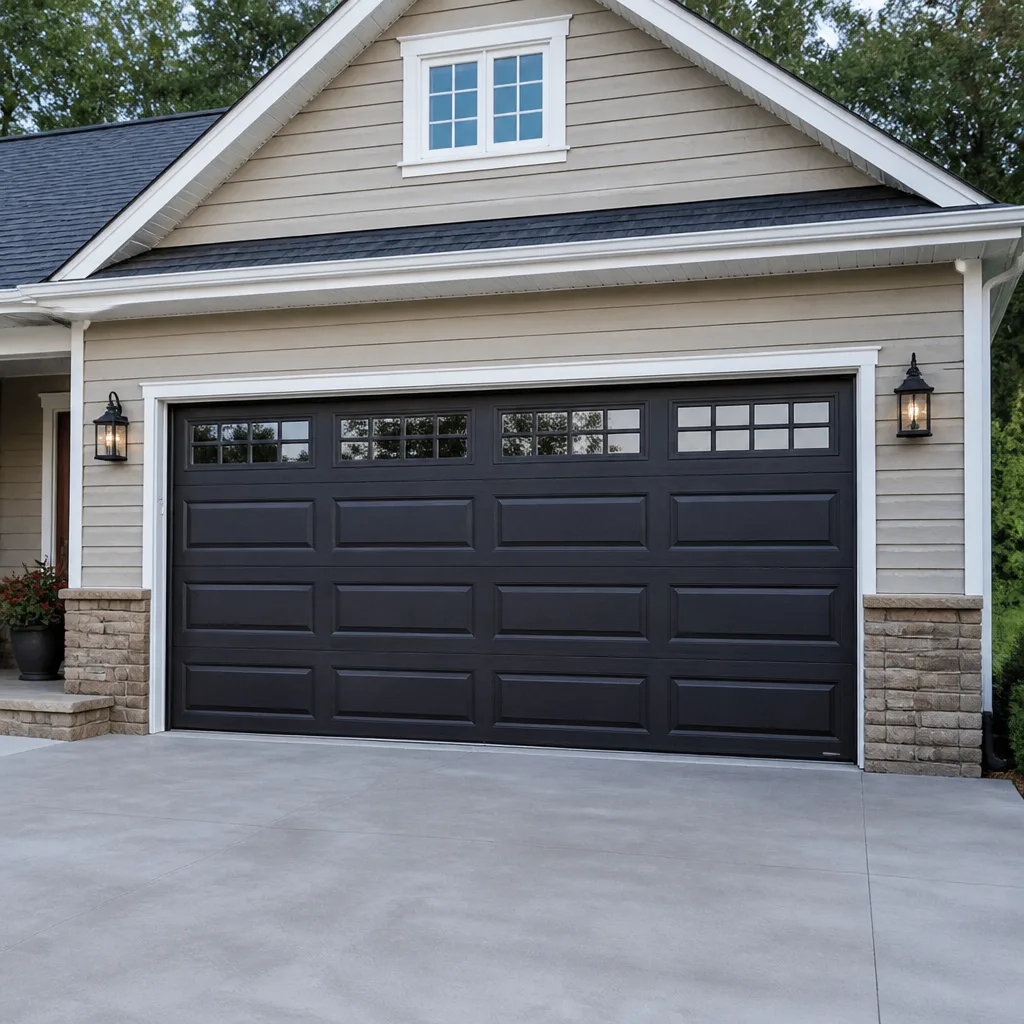 Raised-panel steel
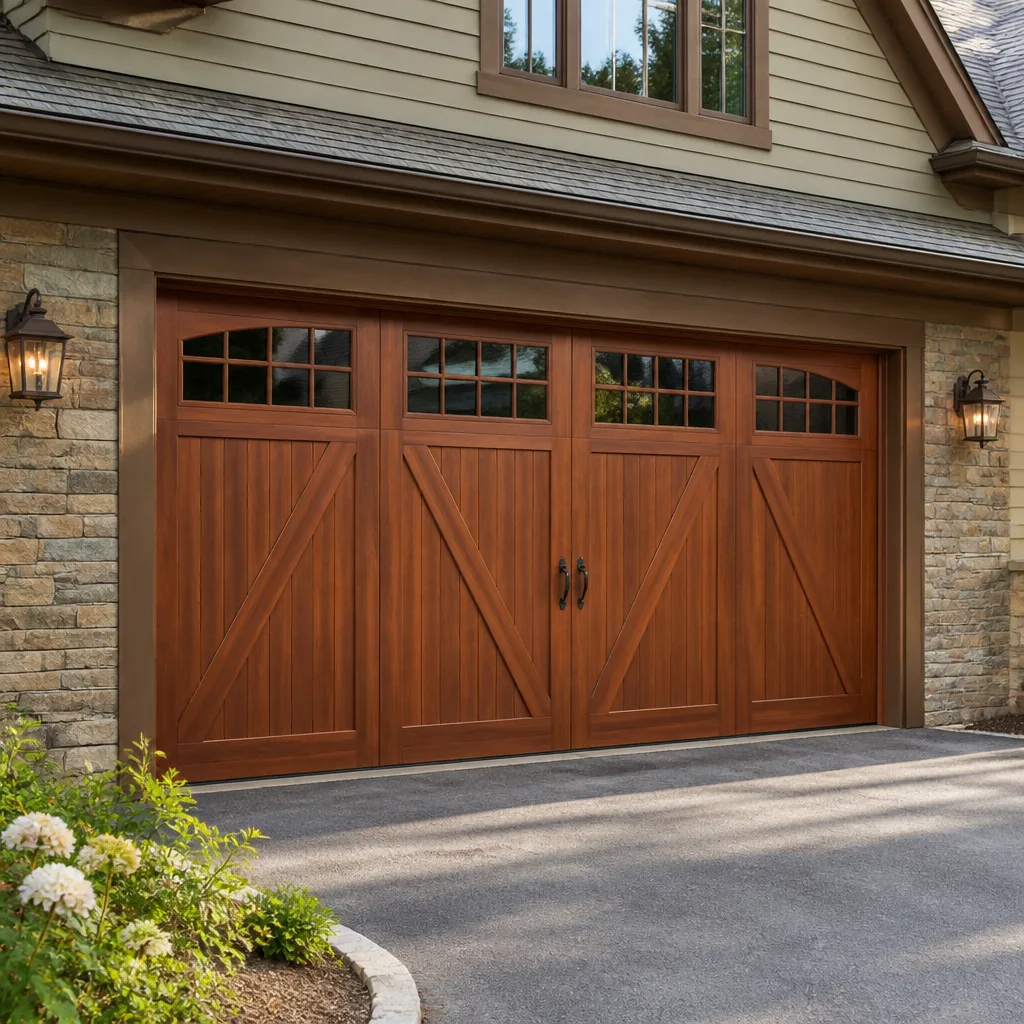 Carriage house
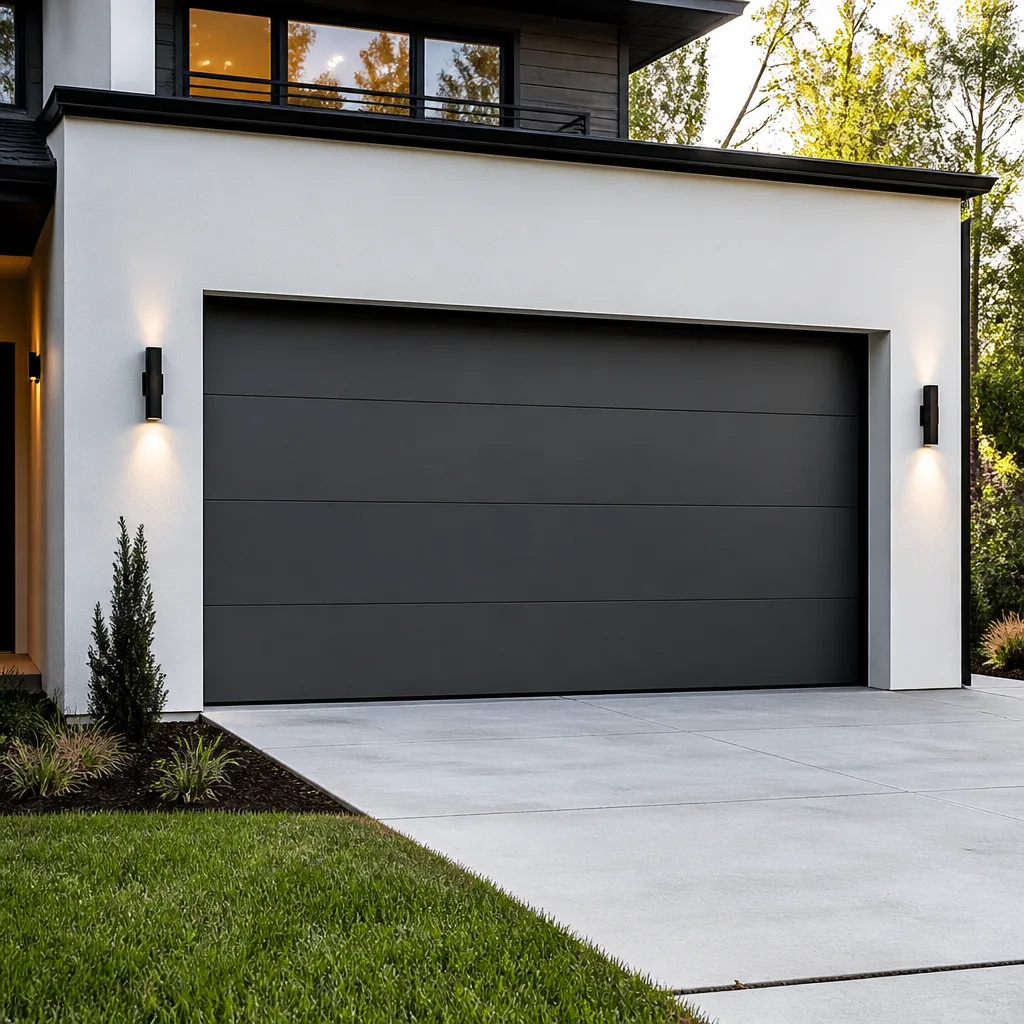 Modern flush
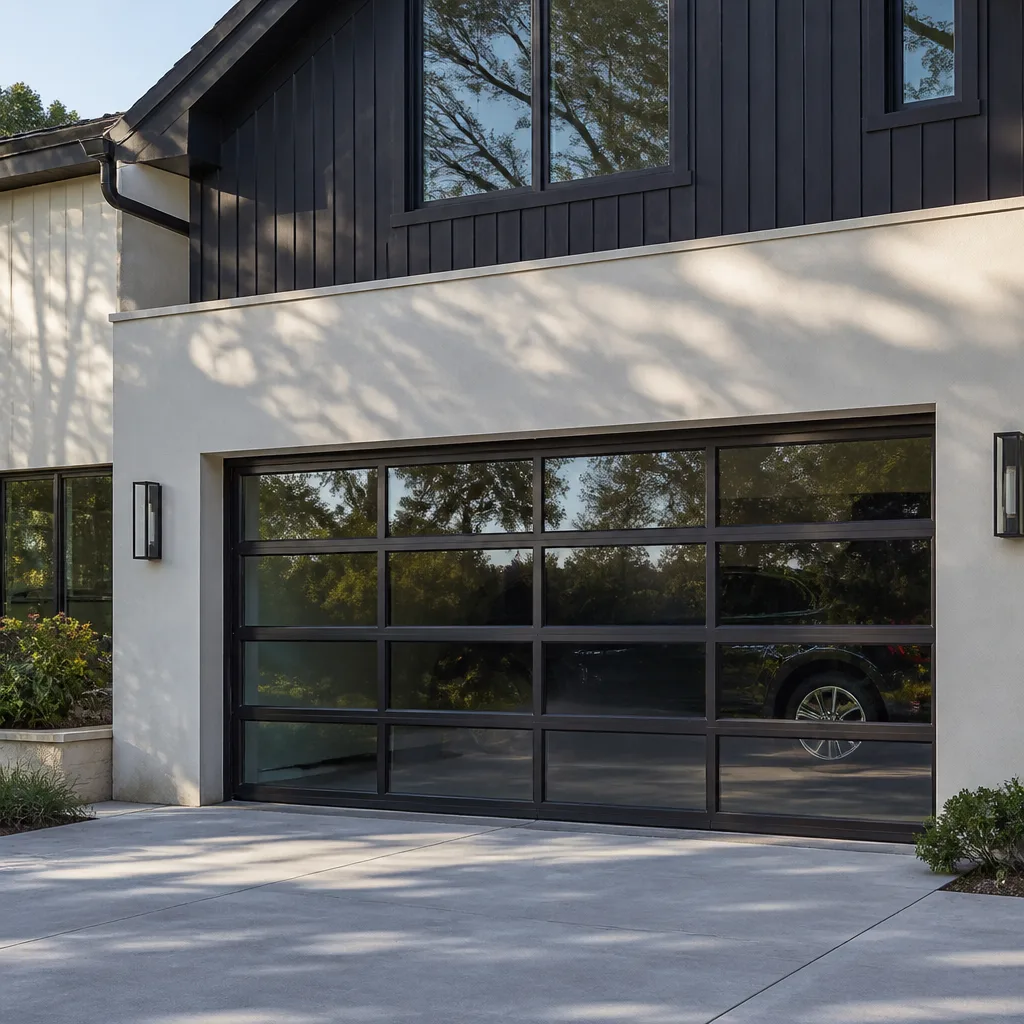 Full-view glass
 LiftMaster openers
 Chamberlain openers
Full 25-point door and opener safety check with every visit - springs, cables, rollers, tracks, and your LiftMaster or Chamberlain opener included
You get a price before we start. It does not change when the pro arrives.
Get your free estimateGarage Door Emergency Preparedness Guide for Schaumburg Homes
Most garage door advice tells you who to call. This guide is about the first ten minutes, before anyone arrives, when you’re standing in a dark garage with a car you can’t move and a door that won’t budge. Power outages across northwest Cook County are a regular fact of life here, and an attached garage is often the only way in or out of a Schaumburg home. What surprises people is how fast a locked-down door goes from frustrating to genuinely risky when the power is out and the house has no other exit. Every procedure below is something you can practice on an ordinary afternoon, in advance. That’s the whole point: emergency readiness is rehearsal, not reaction.
Quick Answer
If your garage door won’t open during a power outage in Schaumburg, the fix is the manual release: pull the red cord hanging from the opener trolley to disconnect the door from the motor, then lift the door by hand. If the door is too heavy to lift or won’t stay up, a spring has likely failed, and you should secure the door and stop trying to force it. Practice this once before you need it, and keep a pair of locking pliers and a flashlight within reach of the garage.
Styles & brands we work with
- Raised-panel steel
- Carriage house
- Modern flush
- Full-view glass
- LiftMaster openers
- Chamberlain openers
Table of Contents
- Why power outages hit Schaumburg garages harder than you’d think
- How to manually release and operate your garage door
- The three opener types in Schaumburg homes and how each one differs
- Why you should never pull the red cord while the door is moving
- Battery backup openers: what they actually cover
- What to do if a spring snaps and the door won’t stay up
- Post-storm inspection checklist
- Common mistakes to avoid
- When to call a professional
- Frequently asked questions
Why power outages hit Schaumburg garages harder than you’d think
Schaumburg sits in a part of the Midwest where summer thunderstorms and winter ice storms both take out power with some regularity, and the housing stock makes the consequences worse. Most of the neighborhoods built up around the Woodfield area and the subdivisions off Roselle Road and Higgins Road have attached garages that serve as the primary entry point to the house. When the opener loses power, that entry point closes. If the interior door from the garage into the house is also stuck, deadbolted, or blocked, a homeowner can find themselves with no easy way out.
That’s the part people underestimate. A garage door emergency during an outage isn’t usually about the car. It’s about access. An attached garage with a powered opener that’s lost its motor is a sealed door until someone disconnects it by hand.
The good news: almost every residential opener made in the last several decades has a manual release built in specifically for this. The mechanism is simple. The trick is knowing where it is and having practiced the motion once, so that when the lights go out at 9pm and your phone flashlight is the only light you have, you’re not fumbling in the dark trying to figure out which cord does what.
In our experience, the homeowners who handle outages calmly are the ones who spent five minutes reading the manual and pulling the cord once. Everyone else calls for help and waits. That’s a fine option too, but knowing the manual release turns a two-hour problem into a thirty-second one. If you’d rather have a technician walk you through the mechanism on your specific door, a routine garage door repair visit is a good time to ask.
How to manually release and operate your garage door
The manual release procedure is the same idea across most openers: you disconnect the door from the trolley that rides on the rail, then lift the door by hand. The differences from one opener to the next are in the details, mostly where the cord hangs and how the release engages. Here’s the general sequence, followed by the type-specific notes in the next section.
- Make sure the door is fully closed first. Never try to disconnect a door that’s partway up. The manual release is designed for the door in the fully closed position, resting on the floor.
- Find the red release cord. It hangs from the trolley on the opener rail, usually a foot or so back from the door itself. It’s typically red for a reason, and if yours isn’t, tie a bright zip tie to it now so you can find it in the dark.
- Pull the cord straight down and slightly toward the door. You’ll feel the trolley release from the door arm. On some openers you pull once and the trolley snaps free; on others the release lever stays engaged until you re-connect it.
- Lift the door by hand. The door should lift smoothly and stay wherever you leave it, held by the springs and the tracks. If it lifts easily, the springs are doing their job. If it feels heavy or won’t stay up, stop.
- Lower the door carefully. Let it down with a hand on it, don’t drop it. A door that comes down hard can bend panels or crack the bottom section.
- To re-engage, close the door fully and pull the release cord away from the door (opposite direction from release) until you feel it click back into the trolley. Then run the opener once to confirm the door moves under power again.
If the door won’t stay up on its own after you lift it, that’s a spring problem, not a release problem. Stop and read the spring section below. Forcing a door that won’t balance is how panels bend and tracks get knocked out of alignment, and it can turn a repair into a replacement. For Schaumburg homes with heavier wood or insulated steel doors, this balancing issue comes up more often than people expect, because a heavier door is less forgiving when a spring starts to fail.
The three opener types in Schaumburg homes and how each one differs
Almost every garage opener you’ll find in a Schaumburg home falls into one of three families, and the manual release feels a little different on each. Knowing which one you have before an outage saves you the fumbling.
Chain-drive openers (LiftMaster, Chamberlain, Craftsman)
The most common type in the area. The trolley rides on a chain or belt along the rail, and the red cord hangs directly from the trolley carriage. Pull straight down and the carriage releases. These openers are reliable and the manual release is straightforward once you’ve felt it once. Craftsman and LiftMaster units in particular are everywhere in Schaumburg, and the trolley mechanism on both is nearly identical.
Screw-drive openers
Less common but still around, especially on older doors. The trolley rides on a rotating screw shaft. The release cord works the same way in principle, but the carriage can feel stiffer, and some models require a slightly firmer pull. If yours feels stuck, don’t yank; check the owner’s manual for the specific release direction.
Jackshaft or side-mount openers
These mount on the side of the door near the torsion bar rather than on a ceiling rail, and they don’t have a trolley on a rail. Instead they have a manual release cable or a clutch lever on the unit itself. On some Amarr and Wayne Dalton installations with a side-mount opener, the release is a pull-cable or a small lever that disengages the motor from the torsion bar. If you have one of these and you’ve never pulled it, read the manual before you need to, because the release doesn’t behave like a ceiling-mounted cord at all.
Whatever brand you have, the goal is the same: disconnect first, then lift by hand. We work on all three types, and if you’re unsure which one you’ve got, that’s an easy question to answer during any garage door opener repair call.
Why you should never pull the red cord while the door is moving
This is the one rule that matters more than any other on this page. Do not pull the manual release cord while the door is in motion or while it’s under spring tension. The reason is physical: the springs are what hold the door up, and the opener is only there to move it. When you disconnect a moving door from the motor, the door’s weight is no longer controlled by the opener, and the springs can release a stored load of energy very quickly. At minimum you’ll drop the door hard. At worst, the door can slam down or the torsion system can release suddenly, which is dangerous.
The safe sequence is always:
- Close the door fully under power (or lower it by hand if power is already out) before touching the red cord.
- Confirm the door is all the way down and resting on the floor.
- Then pull the release.
The same rule applies to a door you’re lifting by hand. Don’t disconnect mid-lift. And if you’re ever unsure whether the door is under tension, treat it as though it is. Our technicians who work on high-tension torsion and extension springs never release a spring assembly under load, and neither should you. When a spring has snapped, the door may be held only by the other spring or by the tracks, and pulling the release on a door in that state can send it down without warning. If you suspect a broken spring, leave the door closed until a technician arrives. We can often help you schedule same-day service in Schaumburg for that kind of situation, and a free estimate is the right place to start.
Battery backup openers: what they actually cover
A battery backup opener is the single most useful upgrade for outage-prone areas, and it’s a genuinely good fit for Schaumburg homes because outages here are more of a “when,” not an “if.” But the coverage is narrower than many owners assume. Here’s what these systems actually do and don’t do.
What a battery backup covers: it keeps the opener motor running for a limited number of cycles during a power outage. Typically that means somewhere in the range of a few dozen open-and-close cycles, enough to get a car in or out of the garage several times and get through a day or two of a typical outage. It does not keep the opener running indefinitely, and the cycle count depends on the battery’s condition and the door’s weight.
What it doesn’t cover: a dead or failing battery (test it periodically), a broken spring, a door off its tracks, or anything mechanical. Battery backup is for power loss, not for door failure. It also won’t cover a door whose opener has lost its limits or force settings after a hard impact.
Which models to consider: LiftMaster and Chamberlain units with battery backup are the common picks, and they’re widely available and straightforward to service. If you’re replacing an older opener or installing a new one, ask for a battery backup model specifically, because it’s the upgrade that pays off fastest during a Midwest storm season. If you want a recommendation for your door’s size and weight, we can talk through options during a garage door opener repair visit or a new-opener estimate.
What to do if a spring snaps and the door won’t stay up
A snapped spring announces itself with a loud bang, and afterward the door often won’t stay up when you try to lift it by hand. If that happens during an outage, you can’t rely on the opener to hold the door, and you definitely shouldn’t keep lifting it. Here’s how to secure the situation until a technician arrives.
- Keep the door fully closed. A broken spring means the door’s weight is no longer balanced. If it’s down, leave it down.
- If the door has already been lifted and won’t stay up, lower it slowly. Use two hands and let the weight come down gently. Don’t let it drop.
- Secure the door with locking pliers clamped onto the vertical track, just above the bottom roller. This is a temporary measure to keep the door from rising or falling unexpectedly. Clamp on the track above the roller so the door can’t travel past it.
- Keep people and pets away from the door. Don’t operate it, don’t put anything under it, and don’t try to force it open. A door held by locking pliers and a broken spring should not be moved.
- Call for service. Spring replacement is not a homeowner job. High-tension torsion and extension springs store serious energy and require the right tools and training to replace safely.
If your door is stuck and it’s a security or safety matter, we can arrange emergency service so you’re not stuck waiting. A routine garage door spring repair visit is the right call once the door is secured. Replacement is usually quick, and in our experience getting the spring done correctly is what keeps the door balanced and safe for the next several years.
Post-storm inspection checklist
After high winds, a storm, or a vehicle impact, don’t just assume the door is fine because it still opens. A door that’s been through a hard event can be out of balance, off its tracks, or running with a damaged bottom section, and each of those leads to bigger problems if ignored. Run this quick checklist before you call it good.
- Look at the panels. Check for dents, creases, or sections that look pushed in, especially near the bottom. A dented bottom panel can mean the door is hitting something on the way down.
- Check the tracks. Stand at the door and look down the vertical and horizontal tracks. They should be straight and parallel. If they’re bent, the door will bind.
- Look for hanging or misaligned rollers. A roller out of its track is a clear sign the door needs professional attention before it’s run again.
- Test the balance with the door disconnected. Release the door and lift it halfway by hand. It should stay put. If it drops or rises on its own, the springs need attention.
- Listen for new noises. A grinding, scraping, or popping sound when the door runs is not normal and usually means a roller, spring, or track issue.
- Check the safety reverse. Put a small object in the door’s path and run the door to confirm it reverses. If it doesn’t, stop using the opener.
- Look for water intrusion. After heavy rain, check the bottom seal and the floor of the garage for evidence the door isn’t sealing properly.
Hail is uncommon here, so most of what you’re checking after a storm is wind damage, impact damage, and water. If anything on the checklist comes back wrong, don’t keep cycling the door. Running a door with a bent track or a failed roller is how a small repair turns into a bigger one. Our technicians have up to 14 years of experience with post-storm assessments, and a free estimate will tell you exactly what’s wrong and what it takes to fix it.
Common mistakes to avoid
- Pulling the red cord while the door is moving. This is the most common and most dangerous mistake. Always close the door fully first, then release. A moving door disconnected from the opener can drop hard and damage panels.
- Forcing a door that won’t stay up. If a door won’t balance when you lift it by hand, a spring has failed. Stop, secure it with locking pliers, and call. Forcing it bends panels and can hurt you.
- Assuming battery backup covers a broken spring. Battery backup is for power loss only. If the door won’t stay up, the problem is mechanical, and no battery will fix it.
- Never practicing the manual release. Most Schaumburg homeowners first pull the cord in the dark during an outage, which is the worst time to learn. Practice it once on a calm afternoon when there’s no pressure.
- Ignoring track or roller damage after a storm. A door that ran fine before the wind and grinds now needs a look. Small track issues become big ones fast when the opener keeps running.
- Letting a generalist handyman tackle spring repair. Torsion springs store serious energy, and most handymen correctly won’t touch them. Use a specialist who works on springs every day.
- Chaining the door to a garage wall or the opener rail as a “lock.” Chaining a door to hold it closed isn’t a safe substitute for a repaired spring or a functioning lock, and it can damage the door and the opener. Use locking pliers on the track as a temporary measure and get the real fix.
When to call a professional
Some situations are clearly not a homeowner job. Call a professional if the door won’t stay up when you lift it by hand, if a spring has snapped, if the door is off its tracks or a roller is out, if the opener runs but the door doesn’t move, or if you’ve been through a storm or impact and the door sounds or looks wrong. Don’t wait for the door to fail completely. A door that’s binding or out of balance is a door that’s about to cause a bigger repair. For a stuck door that’s a security matter, we can arrange emergency service. For everything else, a free estimate will tell you what’s wrong and what it takes. Schaumburg Garage Door Repair Co offers free estimates in Schaumburg – call (866) 947-9001. The local pro is licensed and insured as their state requires, and every price is quoted and agreed before any work starts.
Frequently asked questions
Pull the red manual release cord to disconnect the door from the opener, then lift the door by hand. Close the door fully before you pull the cord, and lift it with two hands. If the door won’t stay up, a spring has likely failed and you should stop and secure the door. Call (866) 947-9001 for an exact quote if you need help; estimates are free.
Often yes. We offer emergency garage door service and same-day appointments for urgent situations, and we’re open Sunday through Friday, 7am to 7pm. We’re closed on Saturday. Call (866) 947-9001 and we’ll get you scheduled.
Keep the door fully closed, secure it with locking pliers clamped onto the vertical track just above the bottom roller, and call a technician. Don’t try to lift the door or force it open, because high-tension springs store serious energy and should only be handled by a trained professional. Call (866) 947-9001 for an exact quote; estimates are free.
No. We quote and agree the price before any work starts, and that written estimate is the price. If we find something unexpected, we’ll explain it and get your approval before touching it. Call (866) 947-9001 for a free estimate on your Schaumburg door.
We service LiftMaster, Chamberlain, Genie, Clopay, Amarr, Wayne Dalton, Craftsman, and Raynor, among others. No brand restrictions and no runaround; our technicians know these systems and diagnose and repair them without referring you elsewhere. Call (866) 947-9001 for service in Schaumburg.
We’re closed on Saturday. We answer calls and schedule service Sunday through Friday, 7am to 7pm. If a door fails on a Saturday, call and we’ll book you for Sunday. Call (866) 947-9001 to schedule; free estimates are available.
The Bottom Line
Emergency preparedness for your garage door comes down to three habits: know where the manual release is and practice it once, keep locking pliers and a flashlight where you can reach them, and stop the moment a door won’t stay up on its own. Those three things handle almost every outage scenario and prevent the most common injuries and panel damage. If you want a battery backup opener, better door security, or a technician to walk you through your specific system, get a free estimate from Schaumburg Garage Door Repair Co by calling (866) 947-9001.
Written by the team at Schaumburg Garage Door Repair Co.
See the difference
 Before
 After
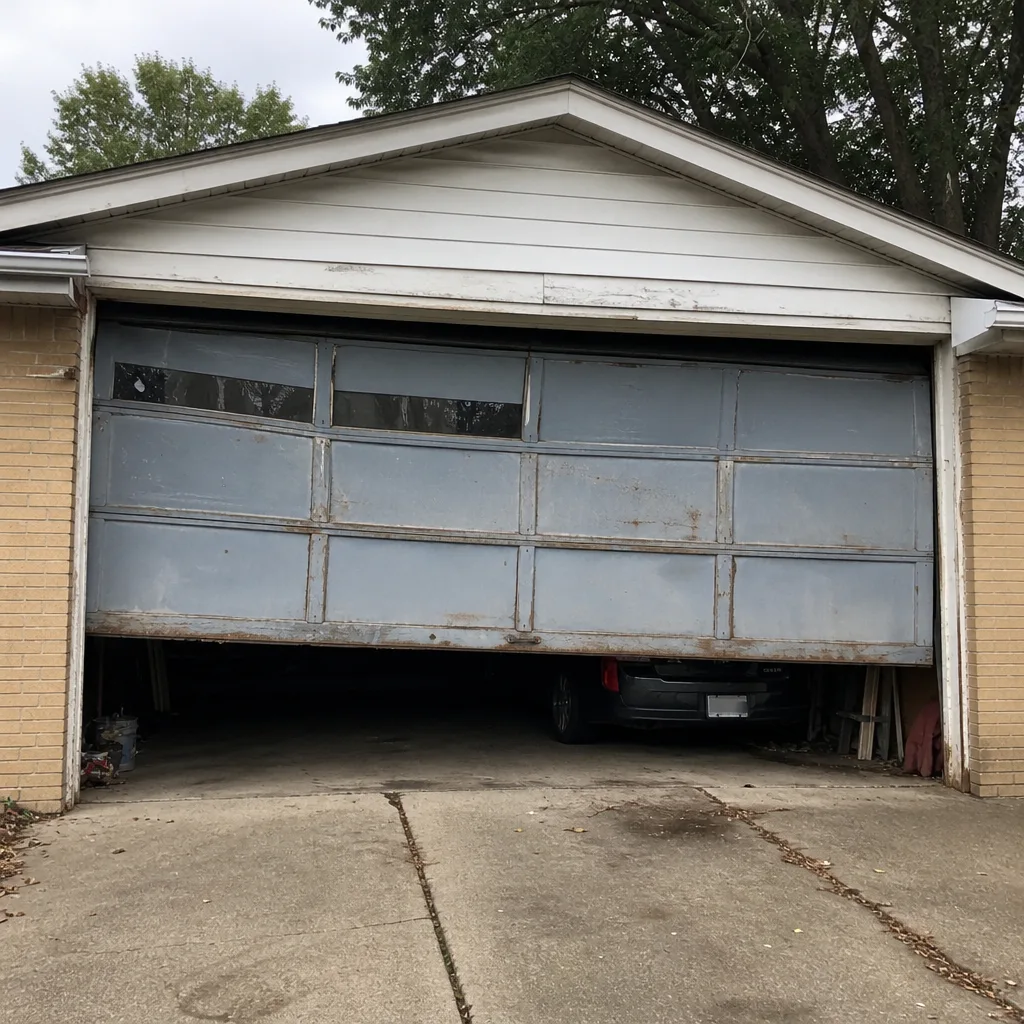 Before
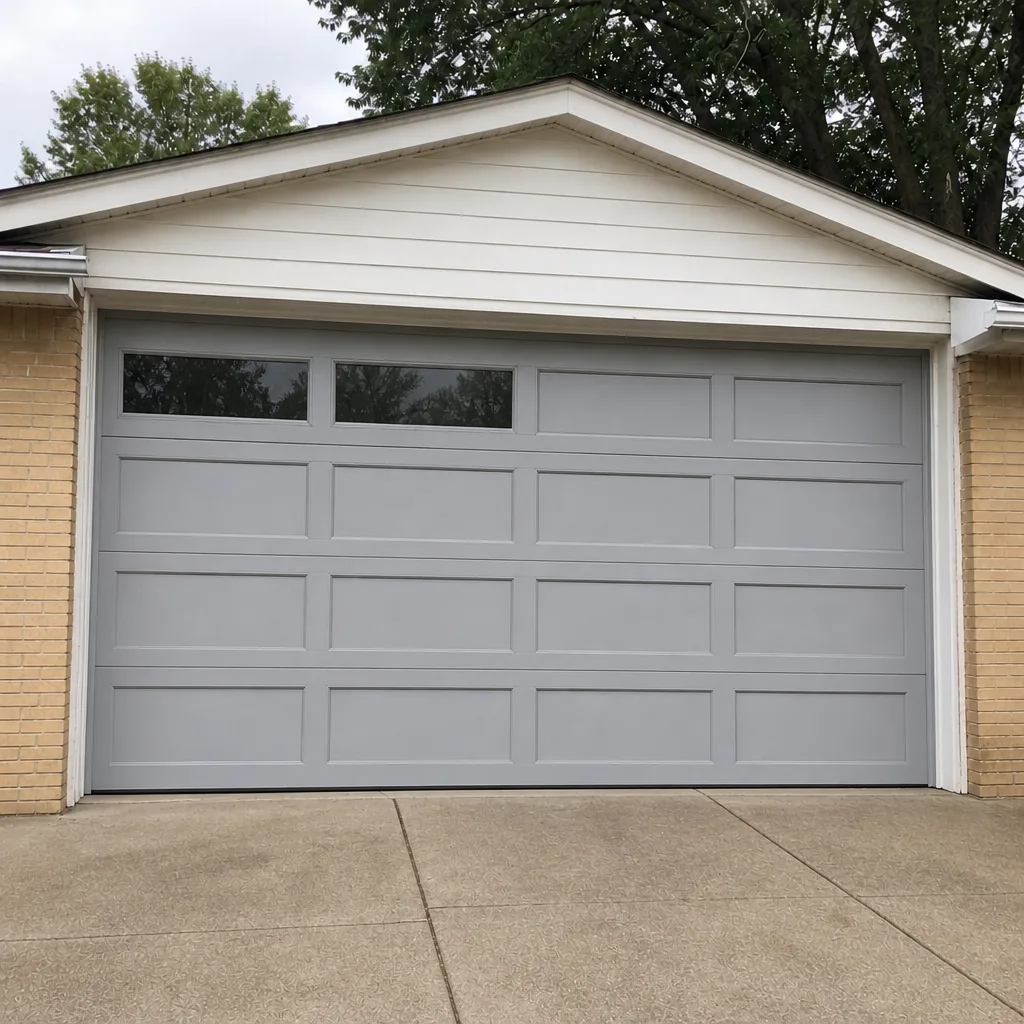 After
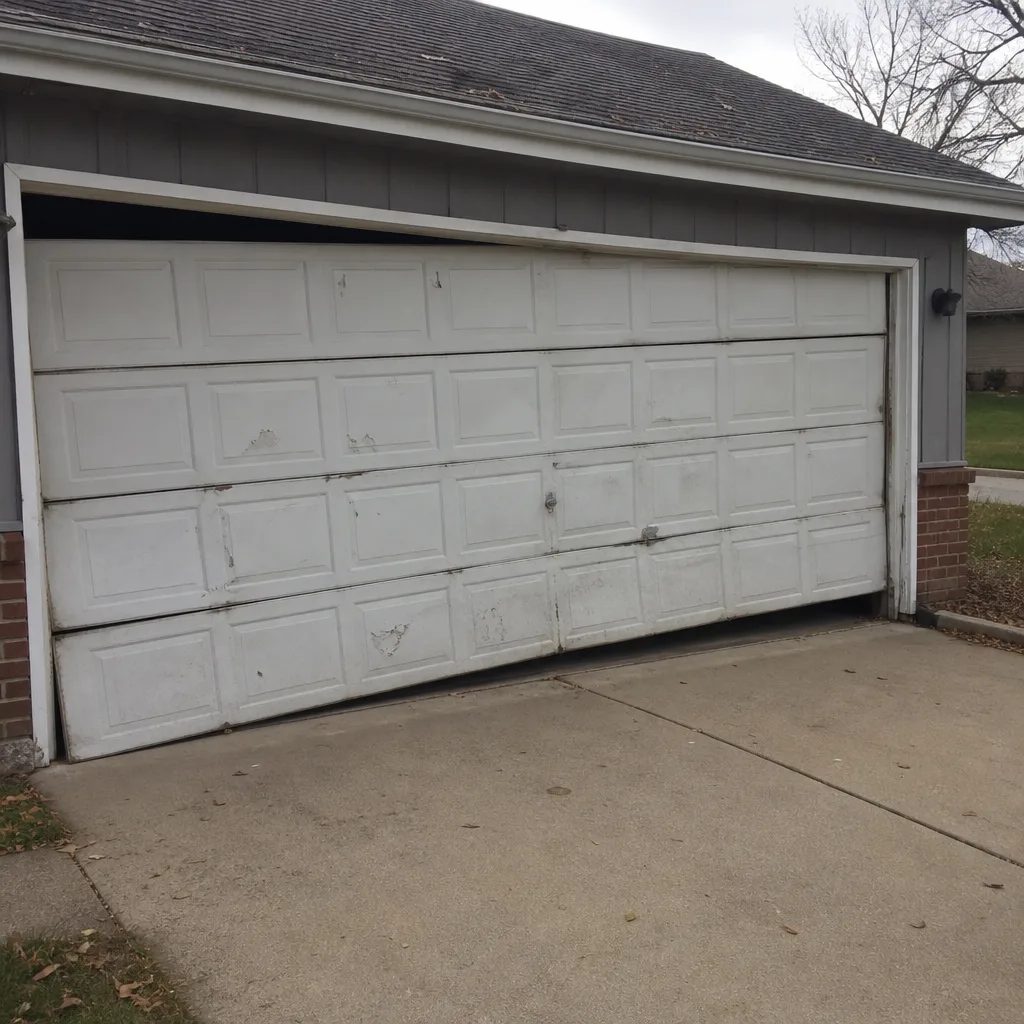 Before
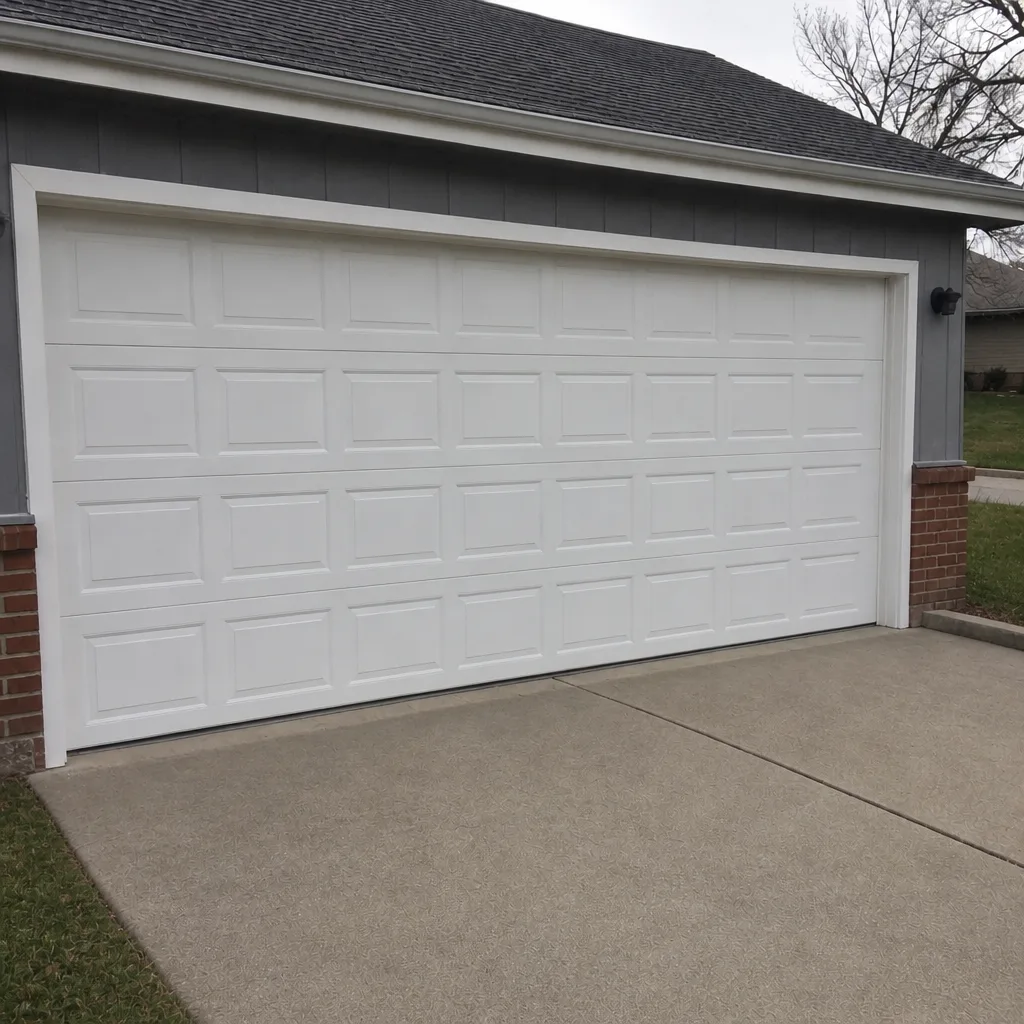 After