Last updated November 23, 2026
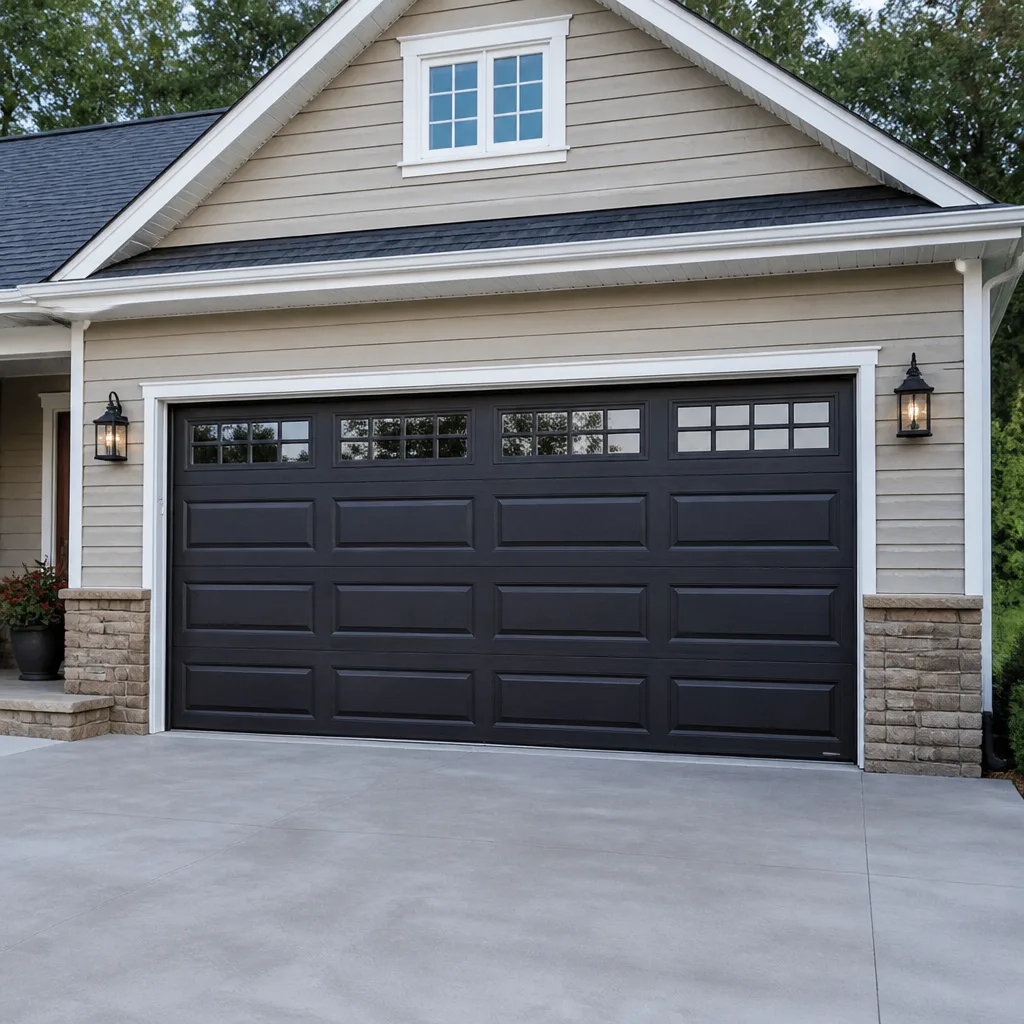 Raised-panel steel
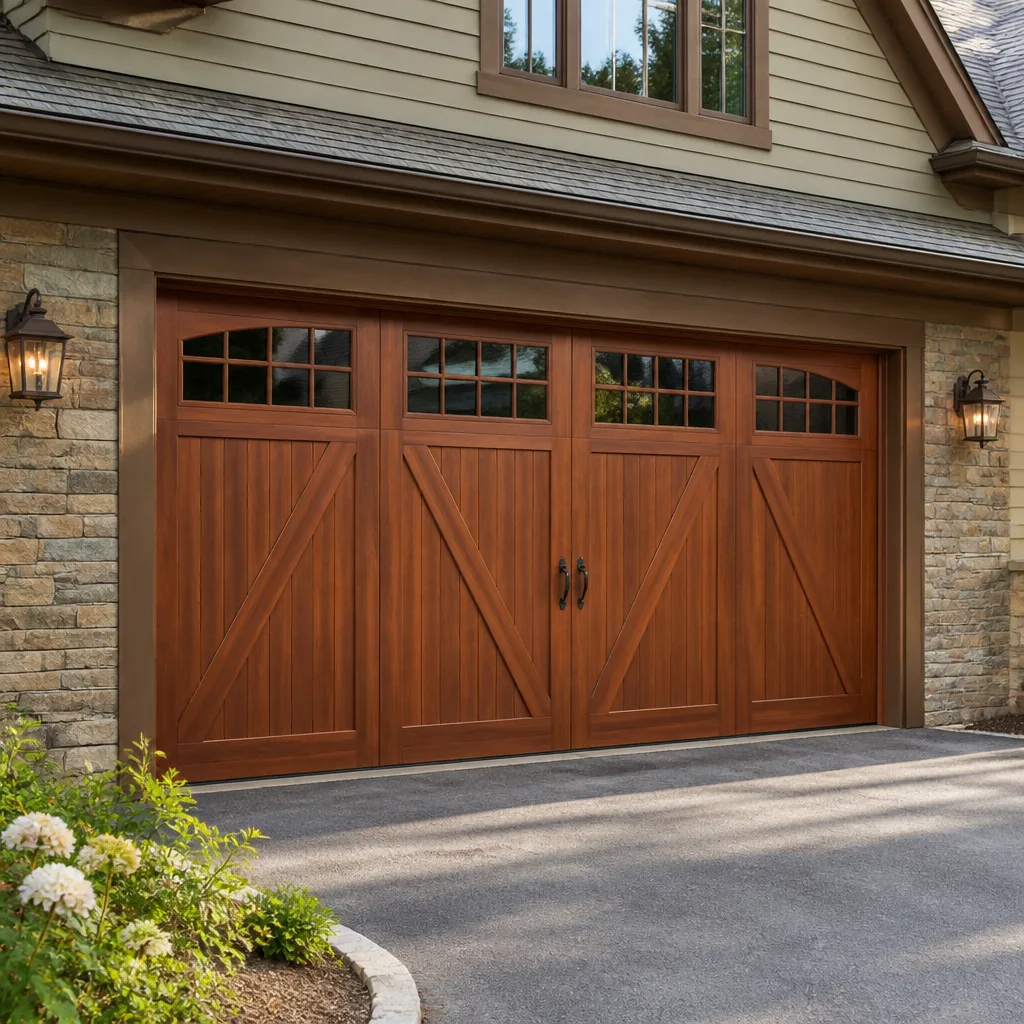 Carriage house
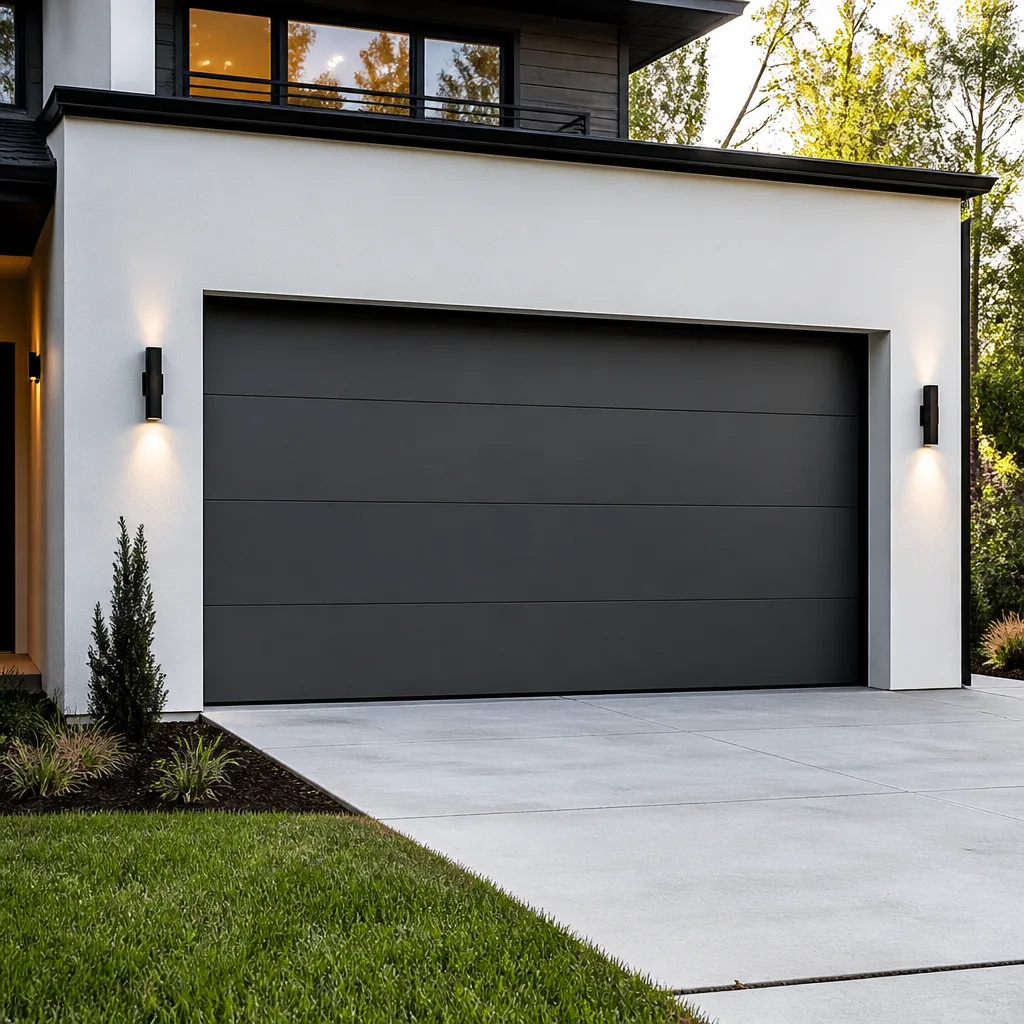 Modern flush
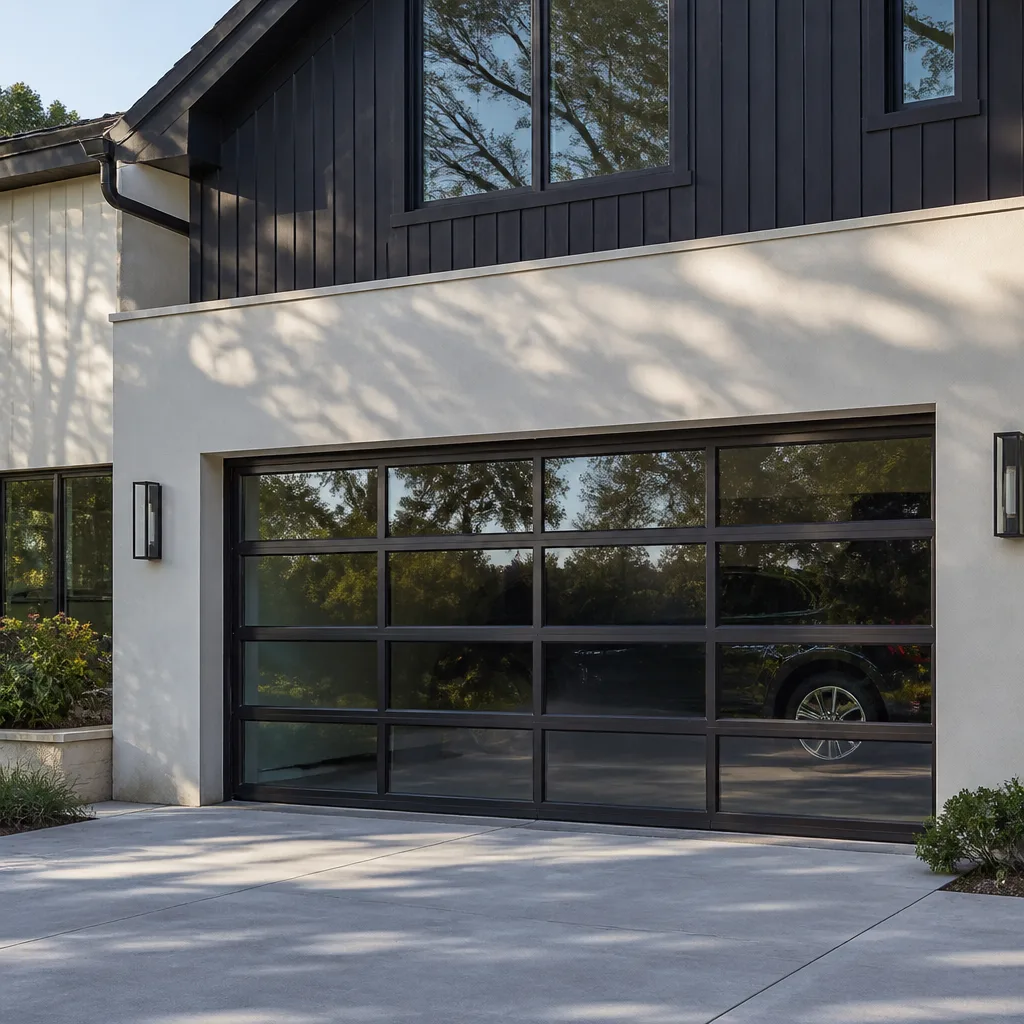 Full-view glass
 LiftMaster openers
 Chamberlain openers
Full 25-point door and opener safety check with every visit - springs, cables, rollers, tracks, and your LiftMaster or Chamberlain opener included
You get a price before we start. It does not change when the pro arrives.
Get your free estimateThe Complete Guide to Garage Doors in Schaumburg
Most garage door advice you’ll find online was written for a national audience and a climate that doesn’t exist here. The average Schaumburg home built between 1975 and 1995 is now on its second or third door cycle, and plenty of those doors went in with whatever the builder had on the truck that week. That matters more than most homeowners realize, because a door that was fine in a mild climate can fight you every February in Schaumburg. This guide walks through what actually breaks, what the local freeze-thaw cycle does to springs and openers, how HOA rules in subdivisions like Weathersfield shape your choices, and when repair beats replacement based on Schaumburg costs rather than national averages.
Quick Answer
A garage door in Schaumburg usually needs attention because of spring fatigue, opener strain, or panel and track damage from winter temperature swings, not because the door itself has worn out. Repair is almost always the right call unless the door has structural rust, repeated panel failures, or an opener more than a decade past its service life. Schaumburg homes built between the 1970s and 1990s have specific door widths and header clearances that trip up installers unfamiliar with older stock, so the measurement matters as much as the brand.
Styles & brands we work with
- Raised-panel steel
- Carriage house
- Modern flush
- Full-view glass
- LiftMaster openers
- Chamberlain openers
Table of Contents
- How Schaumburg’s Climate Affects Your Garage Door
- HOA Color and Style Rules in Schaumburg Subdivisions
- Door Widths and Header Clearances in Older Schaumburg Homes
- What Actually Matters in a Door vs. What’s Marketing
- A Brand-Agnostic Look at Parts and Systems
- What Garage Door Work Costs in Schaumburg
- Repair vs. Replace: Deciding for a Schaumburg Home
- A Seasonal Maintenance Routine That Fits This Climate
How Schaumburg’s Climate Affects Your Garage Door
Schaumburg sees temperature swings from roughly -10°F in a hard January cold snap to 95°F in a July heat wave. That 100-degree-plus annual range is the single biggest factor in how a garage door performs here, and it’s the piece most generic guides leave out entirely. Metal expands and contracts, springs lose tension when cold, lubricants thicken, and openers work harder than their specs assume.
In practice, that swing shows up in three predictable places:
- Springs. Steel torsion and extension springs are rated by cycle count, but cold accelerates fatigue. A spring that was fine in October can snap on the first subzero morning in January. This is the most common winter failure we see in Schaumburg.
- Opener torque. Cold grease stiffens, and the opener has to work harder to lift the same door weight. An opener sized for a mild climate may strain or trip its safety reverse on the coldest days.
- Weather seals and bottom rubber. The vinyl or rubber seal along the bottom of the door hardens and cracks with repeated freeze-thaw, which lets cold air and moisture into the garage and can jam the door on ice buildup.
Wood doors take a beating too. Paint fails faster when wood is cycling between wet and frozen, and any moisture that gets into a joint in November can split it by March. Steel doors handle the swings better but need their bottom edges checked for rust where road moisture collects. If your door is struggling to open on cold mornings, that’s often the first sign of garage door repair that’s worth doing before a spring lets go.
Why national specs don’t match
Most opener and spring specifications are written around a moderate climate. In Schaumburg, we recommend openers with a bit more lift capacity than the door’s minimum rating, and we check spring tension every fall rather than waiting for a failure. The door doesn’t care what the spec sheet says. It cares what the thermometer says at 6 a.m. in February.
HOA Color and Style Rules in Schaumburg Subdivisions
Schaumburg has a lot of planned subdivisions with active homeowner associations, and garage door color and style are among the most common architectural review items. Weathersfield and Plum Grove are two examples where the HOA rules on door appearance are specific enough that buying a door before checking can mean a rejected installation. Before you order, get the rules in writing.
The typical HOA concerns are:
- Color. Most associations restrict doors to a defined palette, often matched to the house trim or a neighborhood standard. A door color that’s slightly off from the approved shade can trigger a compliance letter.
- Window and panel style. Carriage-house styles with decorative hardware are sometimes restricted to certain streets or sections. Plain raised-panel doors are usually safe; heavily stylized doors may need approval.
- Material. Some associations have opinions on vinyl vs. steel vs. wood appearance, usually framed as an appearance standard rather than a material ban.
How to navigate the approval process
- Request the current architectural guidelines from your HOA in writing before you shop.
- Confirm the approved color palette and whether the door style needs a formal submission.
- Get the approval or rejection in writing before placing an order.
- Keep the approval on file in case a later board change raises questions.
If you’re not sure whether your subdivision has an HOA, your closing documents will say. It’s worth checking before you spend money on a door that has to come back out. Our team has walked Schaumburg homeowners through this enough times to know that a five-minute phone call to the HOA saves weeks of back-and-forth. For a closer look at what a full replacement involves, see our guide to garage door repair and installation options.
Door Widths and Header Clearances in Older Schaumburg Homes
One of the most common surprises on a Schaumburg installation is discovering the garage opening isn’t a standard size. Homes built in the 1970s, 1980s, and 1990s were framed to whatever the builder was doing that year, and door widths of 8, 9, 15, and 16 feet all show up across that stretch. Header clearance (the space above the opening) varies too, and it determines what kind of opener and door track you can fit.
Here’s what that means in practice:
- Single-car garages from this era are often 8 feet or 9 feet wide, sometimes with a low header that limits high-lift track options.
- Two-car garages commonly use a single 16-foot door or two 8-foot doors, and the framing between them affects how the torsion bar gets mounted.
- Low-clearance headers mean the door has to be a low-headroom design or use a different track radius. An installer who assumes standard clearance will show up and find the door won’t fit.
Accurate measurement is the whole game here. Before you order anything, the opening width, opening height, and headroom above the opening all need to be measured and written down. It’s also worth checking the condition of the framing itself: older headers sometimes have soft spots from moisture, and a new door adds real weight to that structure. If you’re replacing a door on an older Schaumburg home, the measurement step is where a careful installer earns their keep.
What Actually Matters in a Door vs. What’s Marketing
Walk into any garage door showroom and you’ll be handed a spec sheet full of numbers. Some of them matter. Others are there to justify a price jump. Here’s the honest breakdown for a Schaumburg homeowner.
What matters
- R-value (insulation). If your garage shares a wall with the house or sits under a bedroom, an insulated door with a higher R-value is worth it. If it’s a detached or vented garage, the difference is minimal. R-value measures thermal resistance; higher is better, but the jump from a basic insulated door to a premium one often costs more than it saves in this climate.
- Steel gauge. Thicker steel (lower gauge number) resists dents and holds up better to temperature cycling. A 24-gauge door will last longer than a 27-gauge door under the same conditions, though the price reflects it.
- Section count and construction. More sections mean more seams, which can mean more points for moisture to get in. Three-layer or sandwich construction (steel face, insulation, steel back) resists dents better than a single-layer door.
- Hardware quality. Hinges, rollers, and the torsion system determine how the door feels day to day. Cheap rollers are the first thing to fail.
What’s usually marketing
Decorative hardware packages, so-called “energy-efficient” coatings that don’t change the R-value, and aggressively styled window inserts that add cost without improving durability. None of it is bad, but if your goal is a door that opens smoothly and survives a Schaumburg winter, the money is better spent on gauge and hardware.
A Brand-Agnostic Look at Parts and Systems
The garage door industry runs on a handful of manufacturers, and the brand on your door or opener tells you less than you might think about how it will perform. What matters is the specific mechanism and how well it’s maintained. That said, knowing the major names helps you understand what you’re buying.
On the opener side, LiftMaster and Chamberlain share most internal components, which means parts availability is rarely an issue. Genie openers have their own drive systems and accessories. On the door side, Clopay, Amarr, Wayne Dalton, and Raynor all make steel doors across the price spectrum, and Craftsman openers (sold through Sears for years) are common in older Schaumburg homes. The differences between brands at the same price point are smaller than most people assume.
Why brand-agnostic service matters
A single-brand dealer can only service what they sell, and a franchise chain may push a replacement when a repair would do. A specialist who works across all eight major brands can look at what you have and fix it without a sales motive. For more on the opener side specifically, see our garage door opener repair page. If you’re chasing a strange noise or the door is reversing on its own, that’s often a limit-switch or torque issue, not a reason to replace the whole system.
What Garage Door Work Costs in Schaumburg
Here’s the reality of pricing: the final number depends on the door size, the parts needed, and whether the job is a repair or a full replacement. The figures below are typical estimates for Schaumburg, not exact quotes. Every job gets a written price before any work starts, so you’ll know the number before anything is touched.
- Torsion spring replacement (one spring): typically $180 – $340. A matched pair is usually replaced together, so a pair runs roughly double that.
- Extension spring replacement (one spring): typically $95 – $220, with pairs running about double.
- Opener repair (limit switches, gears, safety sensors): typically $120 – $280 depending on parts.
- Opener replacement (installed): typically $350 – $700, depending on the unit and wiring.
- Panel replacement: typically $180 – $450 per section, depending on gauge and style.
- Track and roller service: typically $100 – $250.
- New door installation (single-car, uninsulated): typically $900 – $1,600.
- New door installation (double-car, insulated): typically $1,800 – $3,500.
These are estimates for a typical Schaumburg home. A door in an older subdivision with a non-standard opening may run toward the higher end, because the install involves more fitting. On installation and full replacement, we don’t promise same-day service because the door has to be measured and ordered. What we do promise is a free measure and a written price up front.
Why Schaumburg prices differ from national averages
Labor rates here reflect a metro market, and the older housing stock means more jobs that need careful fitting. National averages often quote the low end of a range that assumes a standard opening and a simple swap. If your garage was built before 1995, the odds are good your job needs a little more than that.
Repair vs. Replace: Deciding for a Schaumburg Home
The repair-or-replace question comes down to the door’s structure, not its age. A door that’s dented but structurally sound is a repair candidate. A door with rust running through the bottom section, cracked or sagging panels, or repeated failures of the same component is usually money spent on a replacement.
Use this as a starting point:
- Check structural rust. If rust is eating the bottom section or the panel edges, replacement is often the better spend.
- Check for panel damage. One or two damaged panels can be swapped. Damage across multiple sections usually means a new door.
- Look at the opener age. An opener more than a decade past its service life is a candidate for replacement even if it’s still working, especially if repair parts are hard to find.
- Assess spring and track history. If you’re calling for spring failures every few winters, the door may be too heavy or unbalanced, and a full tune is worth more than another spring swap.
- Run the math. If a single repair approaches a meaningful share of the cost of a new door, replacement is worth discussing.
For a Schwabing homeowner whose door is already on its third cycle, a new door with proper insulation and hardware can pay back over a decade. But don’t replace a door that just needs a spring. Diagnosis first, recommendation second. If you’re specifically dealing with a snapped spring, our garage door spring repair page covers what the job involves and why we never recommend touching torsion springs yourself.
A Seasonal Maintenance Routine That Fits This Climate
A little maintenance in the fall and spring prevents most of the winter failures we see in Schaumburg. None of it requires special tools, and most of it is a visual check.
Fall checklist (before the first freeze)
- Lubricate. Apply garage door lubricant to the hinges, rollers, and torsion bar. Cold weather thickens old grease; fresh lubrication reduces opener strain.
- Test the balance. Disconnect the opener and lift the door by hand. It should lift easily and stay put around halfway up. If it slams down or feels heavy, the springs need attention.
- Check the weather seal. Run a hand along the bottom seal. Cracks or hardness mean it needs replacing before it lets cold air in.
- Test the safety reverse. Place a small object in the door’s path and close it. The door should reverse on contact.
- Look for rust. A quick look at the bottom section and panel edges catches trouble early.
Spring checklist (as things thaw)
- Inspect for winter damage. Check for cracked seals, loose hinges, and any bent track from ice buildup.
- Re-test the balance and the safety reverse. Cold months can throw off a limit switch.
- Clean the track. Dirt and grit that accumulated over winter cause rollers to wear faster.
When to stop and call
If you find a broken spring, a frayed cable, or a door that’s come off its track, stop there. Torsion and extension springs are under huge tension and can cause serious injury if handled without the right tools and training. Cables under tension are equally dangerous. That’s a job for a trained technician, and it’s one of the main reasons we don’t recommend DIY spring work.
Common Mistakes to Avoid
- Ordering a door before checking HOA rules. In a Schaumburg subdivision like Weathersfield or Plum Grove, a door that doesn’t match the approved color or style can be rejected after it’s installed. Get the approval in writing first.
- Assuming standard dimensions on an older home. A garage framed in the 1970s or 1980s may not have a standard opening. Measure the width, height, and headroom before you buy anything.
- Replacing one spring when the pair is due. A matched pair wears together. Replacing one spring leaves the other to fail soon after, so a pair is usually the right call.
- Ignoring an opener that strains in cold weather. That strain usually points to a torque or spring issue, not an opener that’s about to die. Diagnose before you replace.
- Lubricating with the wrong product. Household oil or WD-40 attracts dirt and thickens. Use a lubricant made for garage door hardware.
- Letting the bottom seal go. A cracked seal lets cold air and moisture in and can cause the door to stick on ice. It’s a small, cheap part that prevents bigger problems.
- Skipping the balance test. A door that’s out of balance puts extra load on the opener and springs. A two-minute test each fall catches it early.
See the difference
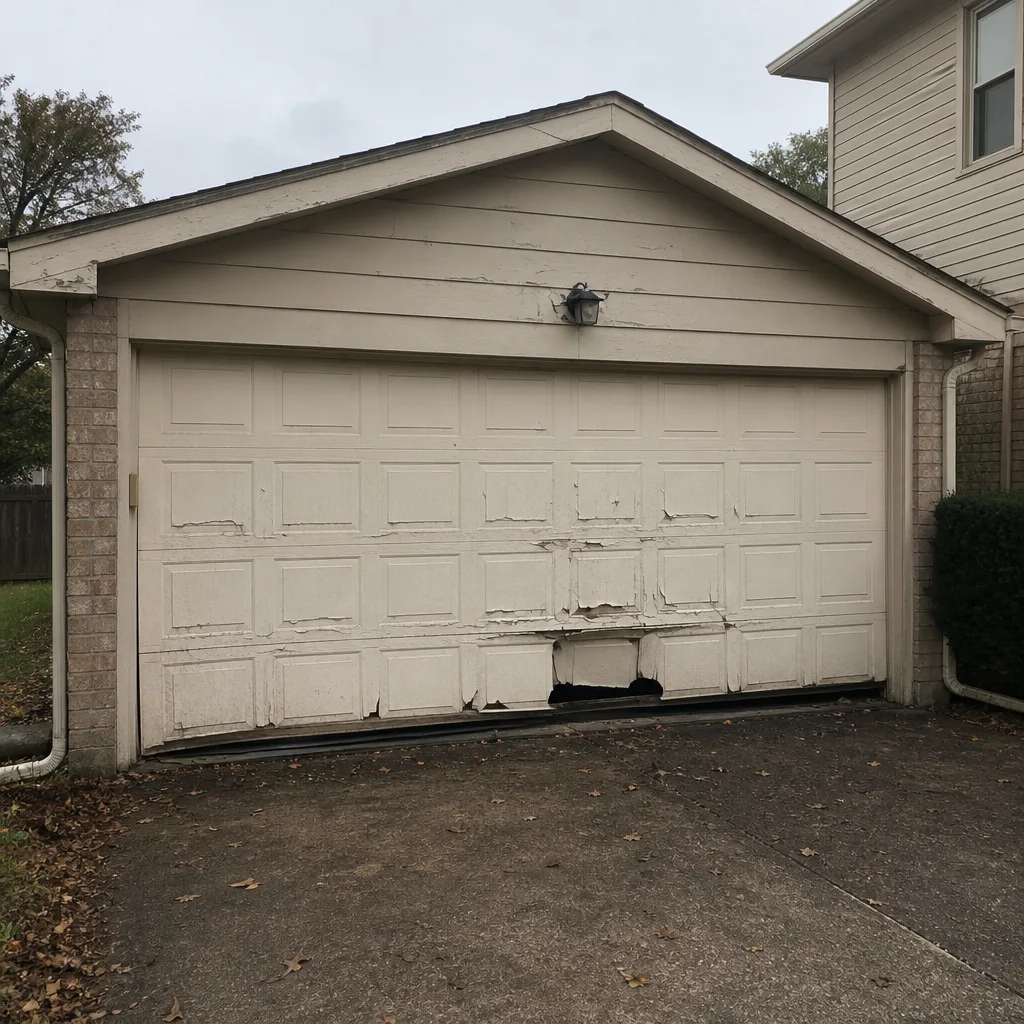 Before
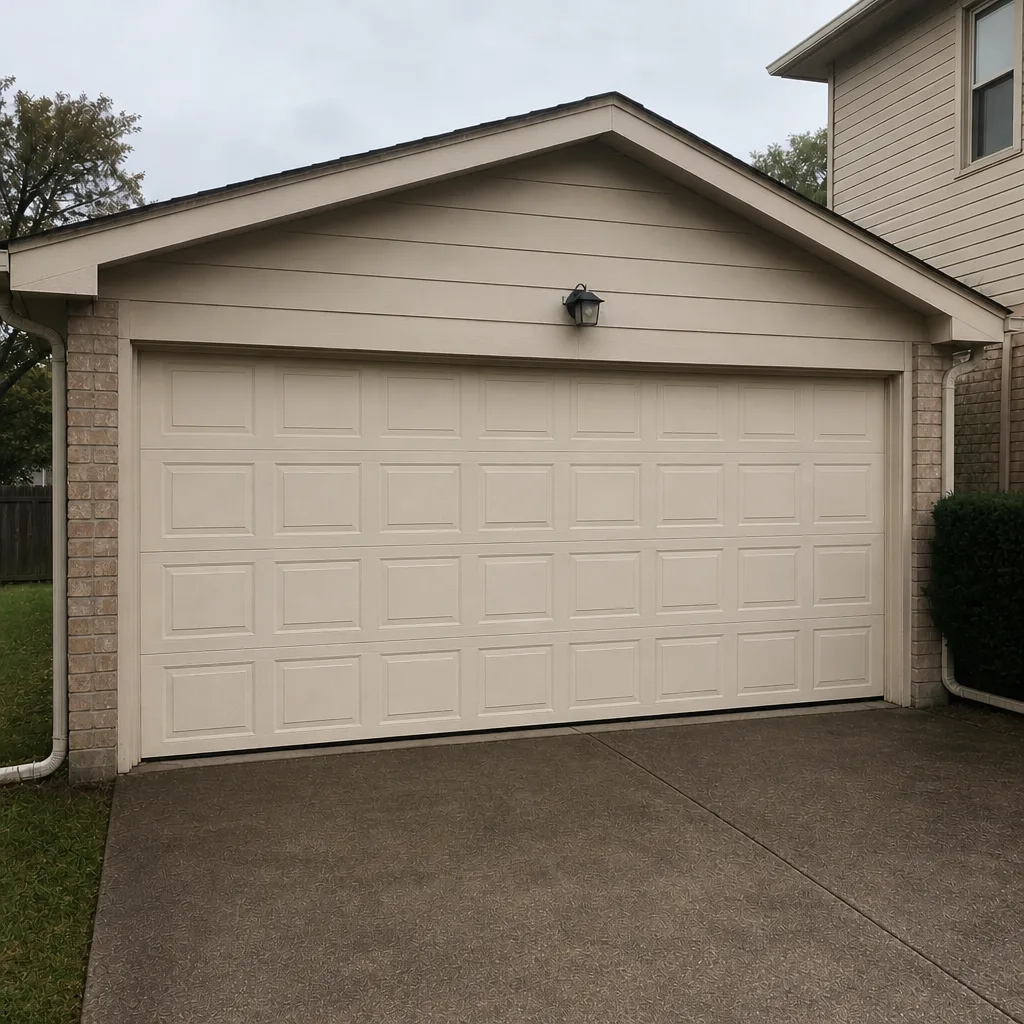 After
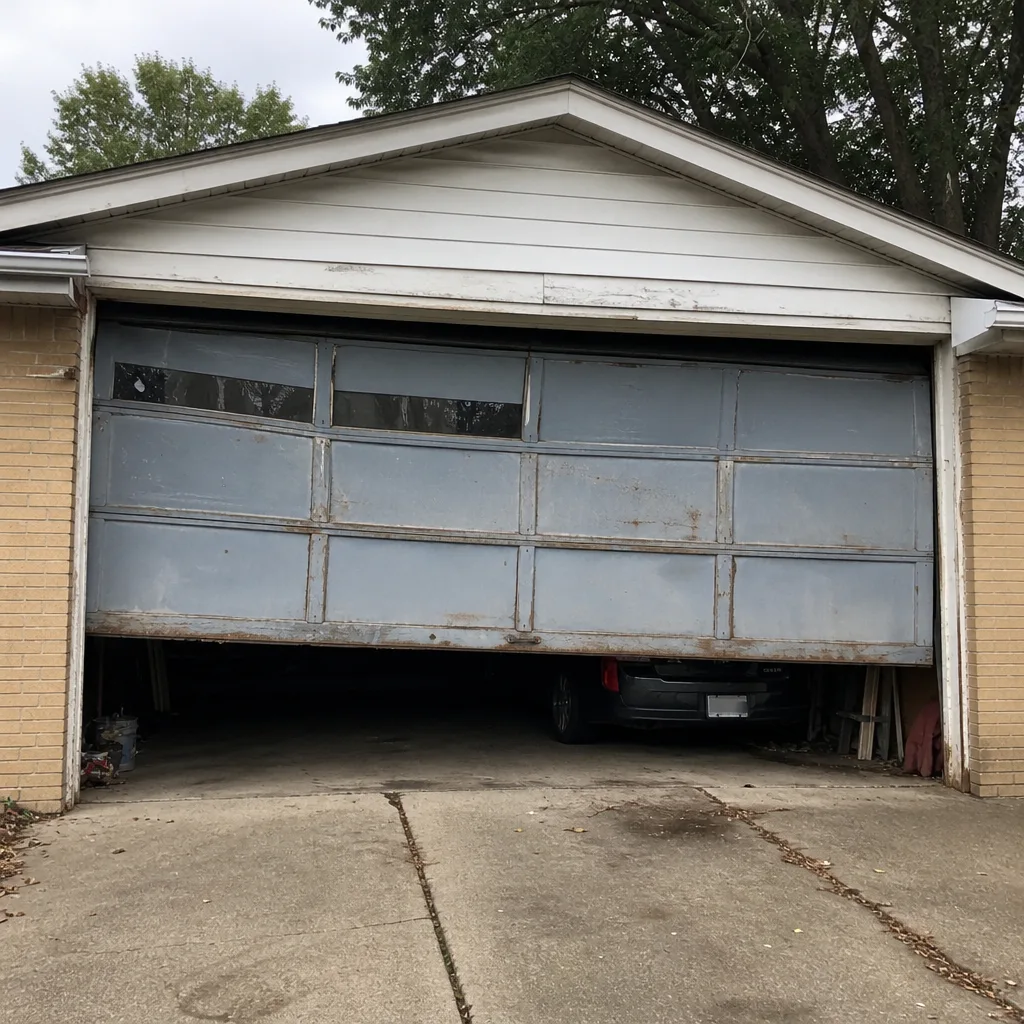 Before
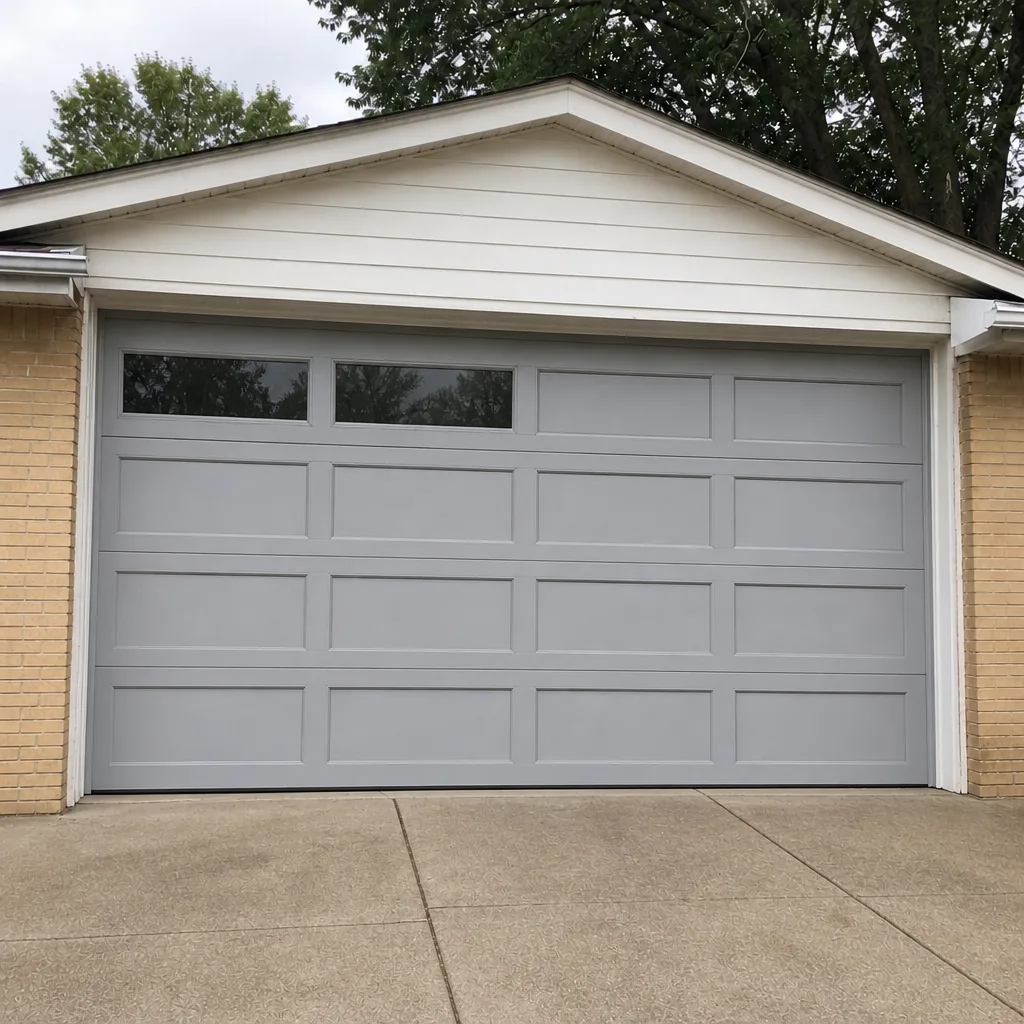 After
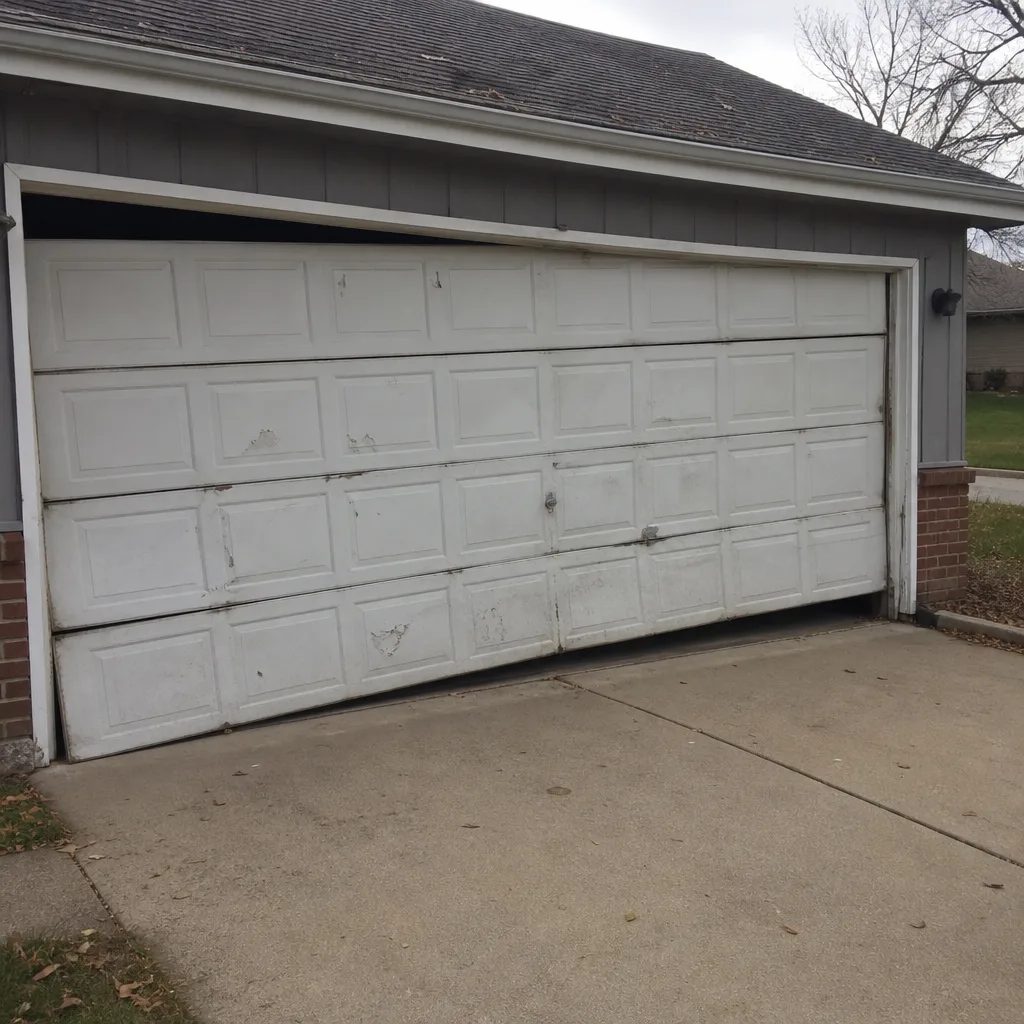 Before
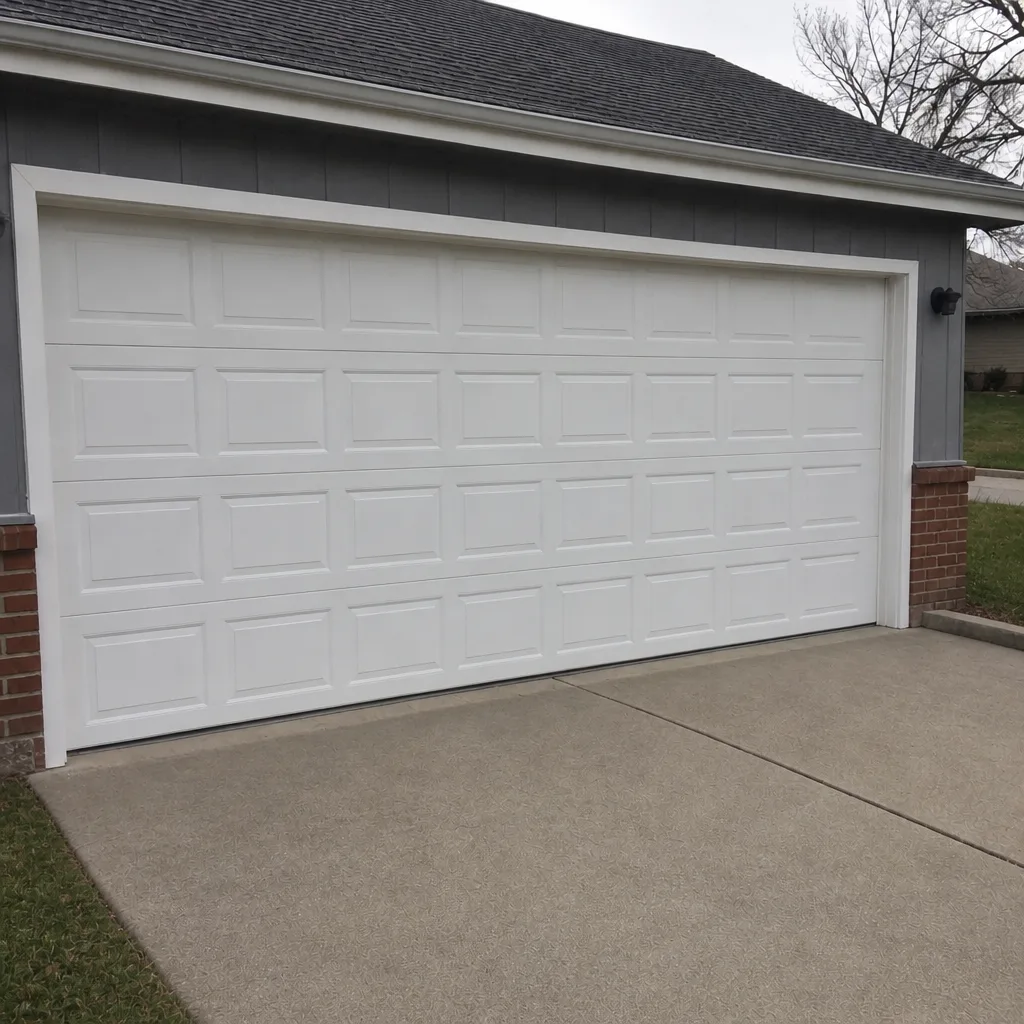 After
When to Call a Professional
Call a professional when the door won’t open or close, when you hear a loud snap from the spring area, when the door is off its track, or when the safety reverse fails. Call when you find a frayed cable or a broken spring, because both are dangerous to handle without the right tools. Call when you’re planning a door or opener replacement and need accurate measurements for an older Schaumburg home. And call if you’re just not sure what’s wrong, because a diagnosis is cheaper than a wrong guess. Emergency service is available for a door that leaves the garage open or a car trapped, since a stuck door can be a safety issue. Schaumburg Garage Door Repair Co offers free estimates in Schaumburg, so call (866) 947-9001 to get a written price before anything is touched.
Frequently Asked Questions
Typical estimates run $180 – $340 for one torsion spring and $95 – $220 for one extension spring. A matched pair is usually replaced together, so a pair costs about double those figures. The final number is set by the written estimate, and we quote before work begins. Call (866) 947-9001 for an exact quote, since estimates are free.
In most cases, yes. Emergency garage door service is available for a door that won’t move or is stuck open. We’ll diagnose first and tell you what the repair involves before any work starts. Call (866) 947-9001 and we’ll find the soonest opening.
No, the written estimate sets the price before work begins. If we find something during the job that changes the scope, we stop and talk to you before proceeding. The number you agree to is the number you pay. Call (866) 947-9001 for a free estimate.
The local professionals we connect you with are licensed and insured as their state requires. Our technicians have up to 14 years of experience with the brands on your door and opener. Call (866) 947-9001 if you want to talk through what your job involves.
Start with structural condition, not age. Rust through the bottom section, cracked panels, or repeated failures mean replacement is worth discussing. A dented but sound door is a repair candidate. Because Schaumburg homes from the 1970s – 1990s often have non-standard openings, an accurate measurement is the first step either way. Call (866) 947-9001 to talk it through.
In many subdivisions they do. Associations like Weathersfield and Plum Grove often restrict door color, style, and sometimes material. Get the current guidelines and written approval before ordering the door. If you’re not sure your community has an HOA, check your closing documents first.
The Bottom Line
A garage door in Schaumburg faces a wider temperature range than most national guides account for, and older subdivisions bring their own quirks: non-standard openings, HOA palettes, and doors on their third cycle. Focus your spending on spring condition, hardware quality, and an opener sized for the door’s real weight. Repair beats replacement unless the door has structural damage. Measure carefully, check HOA rules in writing, and get a written estimate before work starts. That free estimate is the best money you’ll spend. For the full picture of what we do, start at Schaumburg Garage Door Repair Co, or call (866) 947-9001 to get started today.
Written by the team at Schaumburg Garage Door Repair Co.