Last updated November 23, 2026
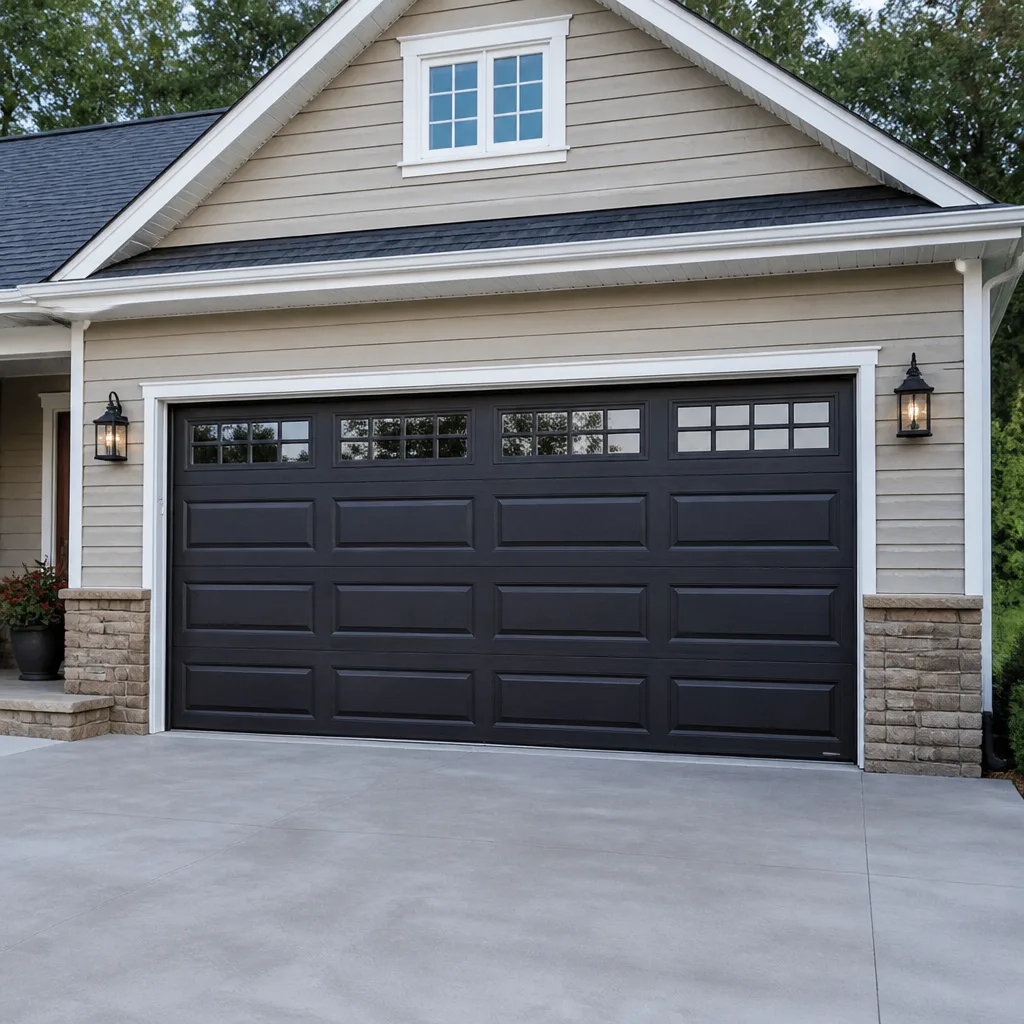 Raised-panel steel
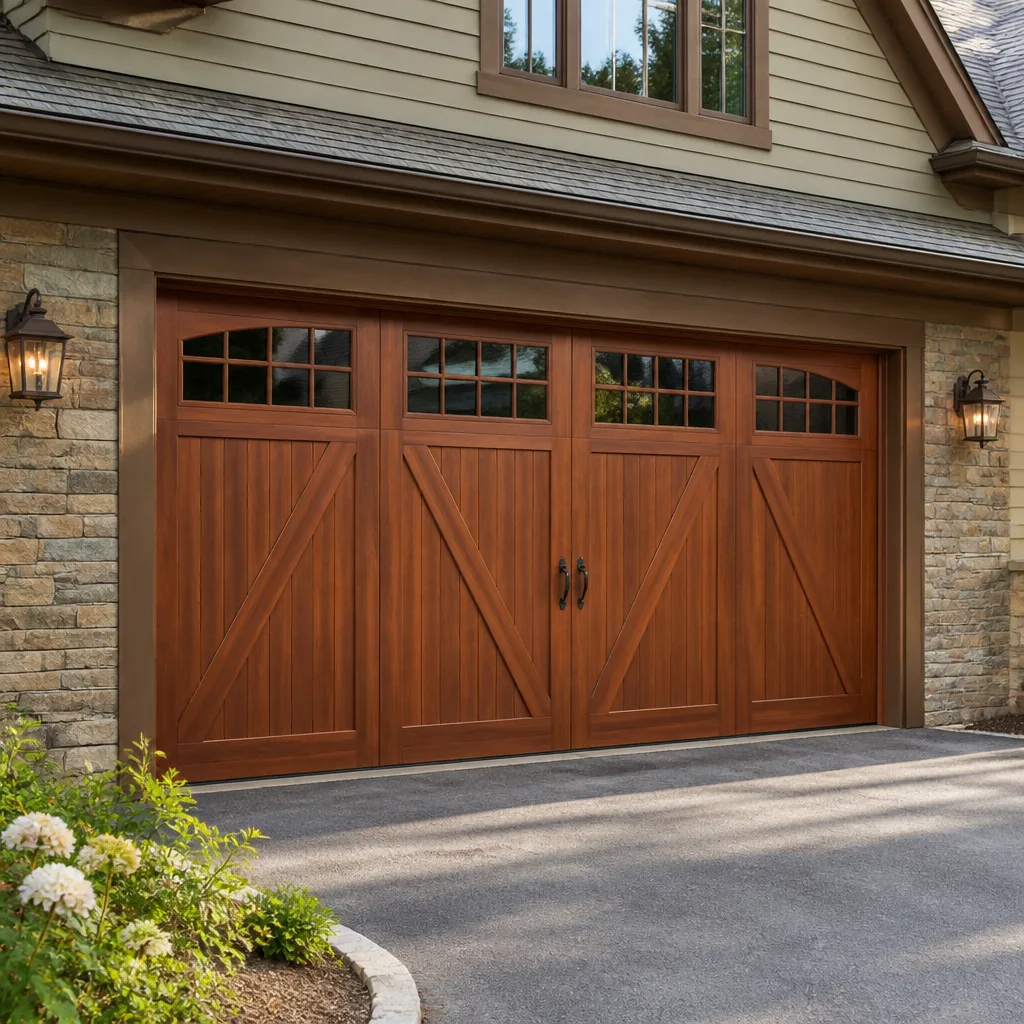 Carriage house
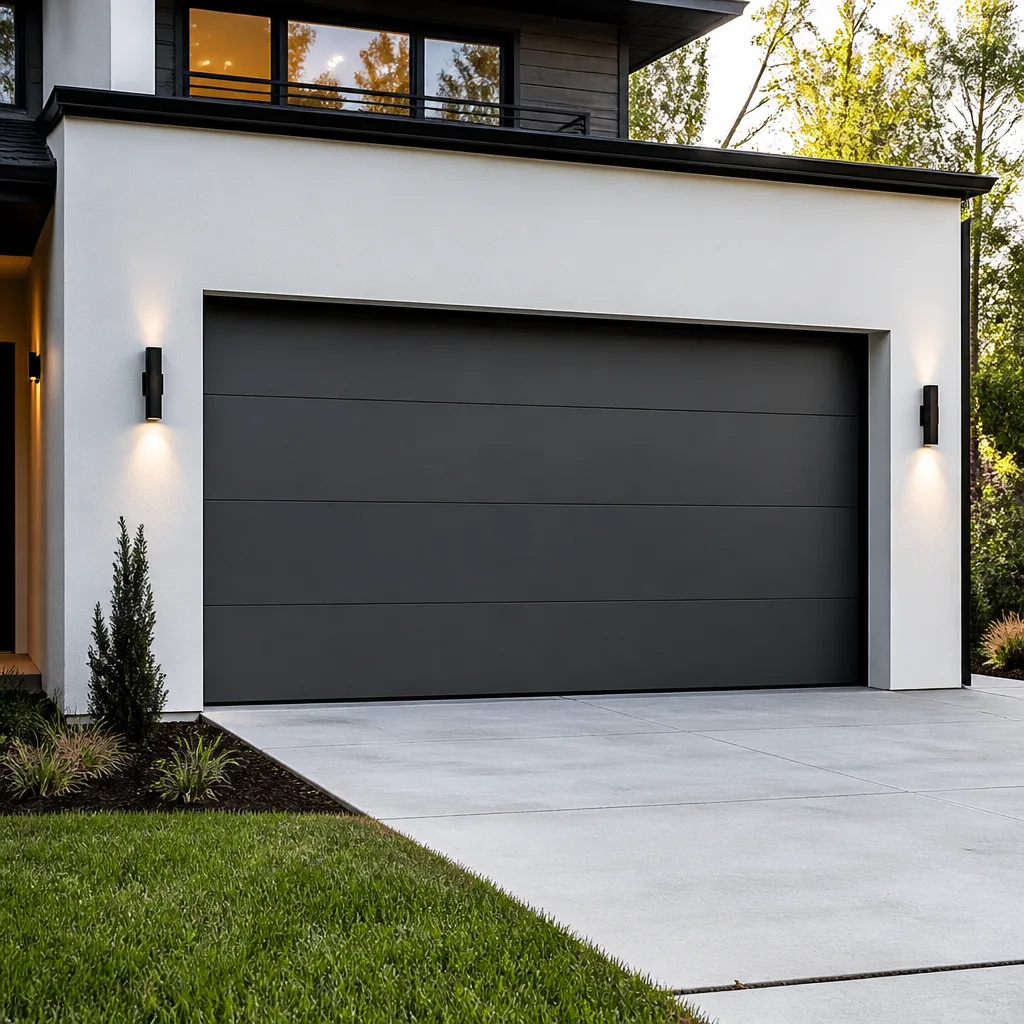 Modern flush
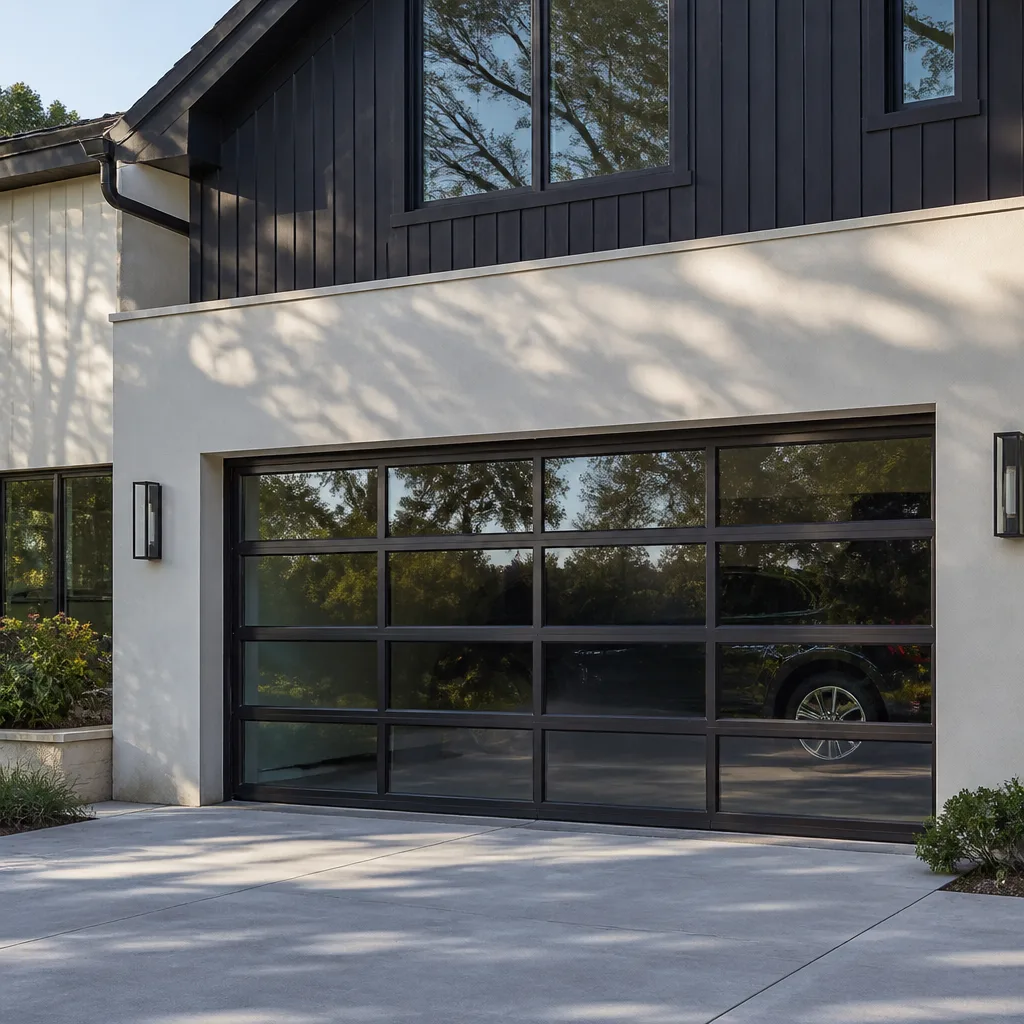 Full-view glass
 LiftMaster openers
 Chamberlain openers
Full 25-point door and opener safety check with every visit - springs, cables, rollers, tracks, and your LiftMaster or Chamberlain opener included
You get a price before we start. It does not change when the pro arrives.
Get your free estimateGarage Door Repair Troubleshooting in Schaumburg: Common Problems and How to Fix Them
A torsion spring under load holds enough stored energy to throw a steel winding rod through drywall, and most homeowners can’t tell whether their stuck door points to that spring or to something as simple as a misaligned sensor. That gap between what a door is doing and what’s actually wrong is where most repair bills get bigger than they need to be. Below, we walk through the five failure patterns we see most often in Schaumburg, how each symptom maps to a root cause, and which three repairs you should never attempt yourself. This guide is written for homeowners in Schaumburg who want to diagnose before they call, not after.
Quick Answer
Garage door problems in Schaumburg usually fall into one of five categories: spring failure, track and roller wear, opener faults, sensor misalignment, or panel damage. You can diagnose the category in about ten minutes by listening, watching the door move, and checking the photo-eye sensors. Springs, cables, and bottom brackets are dangerous to touch and should be handled by a trained technician; everything else can be safely inspected before you call for service.
Styles & brands we work with
- Raised-panel steel
- Carriage house
- Modern flush
- Full-view glass
- LiftMaster openers
- Chamberlain openers
Table of Contents
- The Symptom-First Diagnostic Tree
- Is It the Spring or the Opener? The Question Most Homeowners Get Wrong
- How Midwest Freeze-Thaw Cycles Break Schaumburg Doors Differently
- The Three Repairs You Should Never Do Yourself
- What Garage Door Repairs Typically Cost in Schaumburg
- Pre-Call Checklist: What to Have Ready Before You Phone
- Seasonal Maintenance That Actually Prevents Breakdowns
- Common Mistakes to Avoid
The Symptom-First Diagnostic Tree
Before you call anyone, run through this tree. Almost every problem a homeowner reports in Schaumburg fits into one of five symptom clusters. Matching your symptom to its cluster tells you whether it’s a quick fix or a pro job.
- Loud bang, then the door won’t lift. The torsion spring has snapped. Do not pull the manual release. Do not try to lift the door by hand. Call for service.
- Door moves slowly, grinds, or squeals on the way up. Track, roller, or hinge wear is the most likely cause. The door is still operable but the fix gets worse with every cycle.
- Door reverses immediately after touching the floor. Sensor misalignment or a travel-limit setting that drifted. Usually fixable by checking the photo-eye sensors at the bottom corners.
- Opener hums but the door doesn’t move. Could be a dead opener capacitor or a stripped drive gear, but on older doors it’s more often a mechanical jam in the door itself. Don’t shop for a new opener until a technician confirms which.
- Door looks crooked, panels are bent, or the gap at the floor is uneven. Track damage, a broken cable, or a bent bottom bracket. Cables and bottom brackets are stop-and-call items.
In our experience, the loud-bang symptom is the one homeowners misidentify most often. They assume the opener broke because that’s the component that makes the noise they associate with the door. It usually isn’t. If you’re not sure your opener is at fault, we can help you sort it out before you spend money on the wrong part. Our garage door opener repair page covers opener-specific symptoms separately.
What each symptom rules in (and out)
- Banging and jolting: usually spring or cable. Not an opener issue.
- Uneven or slanted door: track, roller, or cable. Rarely an opener.
- Remote stops working: usually battery, sensor, or opener logic board. Not a mechanical failure.
- Door slams down hard: broken spring (on extension-spring doors) or a snapped cable on one side. Stop using it.
- Lights on opener flash and nothing moves: safety sensor is blocked or the photo-eye bracket got bumped.
Is It the Spring or the Opener? The Question Most Homeowners Get Wrong
When a garage door stops working in Schaumburg, most homeowners blame the opener. In our experience, more than half the time the opener is fine and the door itself is the problem. That matters because replacing a working opener costs real money and does nothing for a door with a broken spring.
Here’s how to tell them apart in under two minutes.
- Pull the emergency release handle (the red cord hanging from the opener carriage) with the door in the closed position. This disconnects the opener from the door.
- Lift the door by hand about a foot. A healthy door should feel light. If it takes real effort, or won’t stay up when you let go, the spring is not doing its job. That’s a spring problem, not an opener problem.
- If the door feels light and balanced, re-engage the release and try the wall button. If the opener still won’t move the door, you’re now looking at an opener problem.
Do not do this test on a door that has already snapped a spring, or on a door that’s visibly crooked or has a slack cable hanging. In those cases the door isn’t safe to lift by hand.
The reason this test matters: springs do the actual lifting work. Openers just guide the door. When springs weaken, the opener overworks and eventually fails. So a homeowner who replaces the opener without addressing a tired spring ends up replacing the opener twice. Ask your technician to check the springs before recommending anything cosmetic.
A Clopay or Amarr door with a well-balanced spring set will lift with two fingers. A Wayne Dalton or Craftsman door with a tired torsion spring will feel like dead weight. On newer doors with a jackshaft opener, the same test works but the release points are different. If you’ve never dealt with one of these, tell the technician which brand and opener you have when you call so the right tooling comes out.
How Midwest Freeze-Thaw Cycles Break Schaumburg Doors Differently
Schaumburg sits in a climate where the temperature swings from below freezing to above and back, sometimes several times in a single week during late winter. Garage door mechanisms handle that poorly because they’re made of materials that expand and contract at different rates. Steel panels, aluminum tracks, and rubber weather seals all move independently. Over one winter, the cumulative stress is real.
What we see in Schaumburg homes more often than you’d expect in milder climates:
- Frozen bottom seals. The rubber weather strip under the door adheres to the concrete slab overnight. The opener yanks it loose from the hold-down retainer. That’s why a door that worked fine in October suddenly won’t close in January.
- Track gap from frost heave. Concrete slabs in this region shift with the freeze-thaw cycle. If your garage slab has lifted a fraction of an inch, your bottom roller can pop out of the track on one side.
- Lubricant washout. The factory grease on rollers and hinges dries out faster in cold-dry air and washes away in the humid stretches of summer. By October, the mechanism is grinding and the owner notices a new noise.
- Spring fatigue acceleration. Torsion springs cycle every time the door opens or closes. A spring that would last longer in a stable climate wears faster here because it’s working through larger temperature swings between winter cold and summer heat.
- Humidity swings on wood doors. If you have a wood door (still common in older Schaumburg neighborhoods), the summer-to-winter moisture swing can warp panels and break the joints at the bottom section.
The simplest defensive habit: on the first cold morning each year, apply a silicone-based garage door lubricant to rollers, hinges, and the torsion spring coil. Not WD-40, which is a solvent not a lubricant. A proper silicone spray on the coil keeps the spring from binding in cold weather.
If you’ve had the same track misalignment three winters in a row, the issue is the slab, not the track. A technician can adjust the track brackets to accommodate minor slab movement, and that fix usually holds.
The Three Repairs You Should Never Do Yourself
Torsion springs, cables, and bottom brackets all store mechanical energy under tension. When they fail, they release that energy instantly and unpredictably. YouTube makes them look straightforward. That’s the part that gets homeowners in trouble.
1. Torsion springs
A torsion spring above the door holds enough stored energy to snap a winding rod. When a technician winds or unwinds a spring, they use two winding rods, keep their body clear of the arc, and know which way the spring is loaded. A homeowner with a 12-inch piece of steel bar and no feel for the tension has none of that margin. This is not a repair we recommend attempting. If a torsion spring is broken, call a technician. Our garage door spring repair page details the specific types of springs and what repair involves.
2. Cables
Torsion and extension doors have steel cables under high tension running from the bottom bracket up to the drum or pulley. A slack or slipped cable on one side will make the door crooked, and the natural instinct is to try to re-seat it. Never lift the door or reach near the cable while it’s slack. A cable that snaps back under load can cause serious injury, and there is no safe way to test the tension without the proper tooling.
3. Bottom brackets
The bottom bracket is the steel fitting that holds the cable to the bottom corner of the door. It’s under spring tension even when the door is down. A homeowner who unscrews a bottom bracket to straighten it can get hit by the bracket and the cable together. Relocated bottom brackets, repair brackets, and re-tensioning all need to be done with the spring under control first.
We work with these components every week under controlled conditions. Our technicians have up to 14 years of experience. For everything else in this guide (sensors, remotes, tracks, lubrication, opener logic boards), a careful homeowner can do the inspection and, in many cases, the fix.
What Garage Door Repairs Typically Cost in Schaumburg
The best way to know what your repair will cost is a written estimate, but a rough picture helps you budget. Below are the ranges we typically see for common repairs in the Schaumburg market. These are estimates; the written estimate you get before work starts is the final price.
- Torsion spring replacement, one spring: usually around $190 to $340.
- Matched pair of torsion springs: about twice the single-spring range, since the pair is replaced together.
- Extension spring replacement, per spring: typically in the $150 to $260 range.
- Cable replacement, one side: usually around $120 to $220.
- Roller replacement, full set: typically $140 to $280.
- Track adjustment or repair: usually $100 to $240.
- Opener logic board or gear replacement: typically $150 to $350 depending on brand and model.
- Bottom seal replacement: usually $90 to $200.
- Panel replacement, single section: varies widely by brand and color match.
Why brand matters: Clopay and Amarr panels and rollers are usually on the more accessible end of the market because parts are more widely stocked. Wayne Dalton and Craftsman doors can be trickier to match for panel replacements on older installs. A certified technician knows where to source what’s needed; a generalist often doesn’t.
Price is quoted and agreed before any work starts. If a technician arrives and finds the problem is bigger than expected, they’ll explain what changed and give you a new number before touching anything. You always have the option to say no.
All of this is covered under one service call at Schaumburg Garage Door Repair Co. We don’t refer, we don’t subcontract the difficult parts, and we don’t upsell a repair you don’t need. Call (866) 947-9001 for a free estimate on your garage door repair.
Pre-Call Checklist: What to Have Ready Before You Phone
A two-minute checklist on your side saves eight minutes on ours and often eliminates a return trip. When you call, have these ready:
- What the door is doing (or not doing), in one sentence. “It goes up six inches and reverses” is more useful than “it’s broken.”
- Door brand and model if you know it. Clopay, Amarr, Wayne Dalton, and Craftsman all have different panel and hinge configurations. If you don’t know the brand, tell us it’s a Clopay or an Amarr (or whatever the back of the door or the opener says).
- Opener brand (LiftMaster, Chamberlain, Genie, Craftsman, Raynor). It’s printed on the motor head. Different brands have different error codes and travel limits.
- Door type: sectional, one-piece, carriage-house, or full-view aluminum.
- Whether the springs are torsion (bar above the door) or extension (stretch along the horizontal track). Spring pricing and method differ entirely.
- Whether the door is safe to leave in its current position. If it’s not, say so. Emergency service is available for stuck or dangerous doors.
- Age of the door and opener if known. Older openers may need parts that take a day to source; newer ones are usually repaired on the spot.
That last item is worth repeating: we want to know if your door is stuck in the open position (a security concern) or the closed position (an inconvenience). Emergency service is a real offering on our side, not a number to be routed elsewhere. When your door won’t move, we do.
If you live in a Schaumburg neighborhood where the garage faces an alley or a shared drive, mention it when you call. Two-person jobs sometimes need a second hand in a tight space, and we’ll plan for it.
Seasonal Maintenance That Actually Prevents Breakdowns
Most garage door failures give warning signs weeks before they become repairs. A short maintenance routine can catch them in time. Here’s what we recommend for a Schaumburg door, done once in fall and once in spring.
- Look at the springs. A visible gap in a torsion spring means it’s broken. A rust line or a stretched extension spring is a warning sign. Don’t touch, just note it.
- Wipe and lubricate the rollers and hinges with silicone spray. Not WD-40.
- Check the photo-eye sensors at the bottom corners. Wipe the lenses clean and make sure the small LED on each is solid, not blinking. A blinking LED means something is interrupting the beam.
- Test the auto-reverse. Lay a 2×4 flat on the floor under the door and close it. The door should stop and reverse the moment it contacts the board. If it just crushes it, the opener needs adjustment.
- Check the weather seal at the bottom. If it’s cracked or frozen to the slab on cold mornings, replace it before winter. A frozen seal is the number one cause of opener damage we see in this climate.
- Balance the door by hand. With the opener released, lift the door halfway. It should stay where you let go. If it drops or rises on its own, the spring tension needs adjustment.
- Tighten the track brackets with a socket wrench. Loose brackets cause the track to flex, which is the leading cause of rollers popping out on Schaumburg doors in winter.
The reverse test is not a safety code requirement. It’s just a check. If your door doesn’t reverse on the test, stop using it until the opener is adjusted.
Common Mistakes to Avoid
- Assuming the opener is the problem. Most of the time it’s the door. Do the release-and-lift test before you shop for a new opener.
- Using WD-40 on the tracks or springs. It’s a solvent, not a lubricant. It dries out the factory grease and accelerates wear. Use silicone spray instead.
- Ignoring a single broken spring on a pair. When one spring in a matched pair breaks, the other has taken the same number of cycles and is about to fail too. Replace the pair together.
- Pulling the emergency release on a stuck door. On a door with a broken spring, the release sends the door slamming down. Leave it closed and call a technician.
- Adjusting the travel limit or force settings to work around a door that won’t close. This masks the real problem and stresses the opener. It also defeats the safety reverse, which is a real safety risk, especially in a home with kids or pets.
- Leaving a door stuck open overnight. If the door won’t close, it’s exposed to weather and security. That’s an emergency service call, not a scheduling problem.
- Hiring a generalist handyman for a spring or cable job. These are specialist repairs, not basic maintenance. A handyman without spring tooling and training is a liability to you and to them.
See the difference
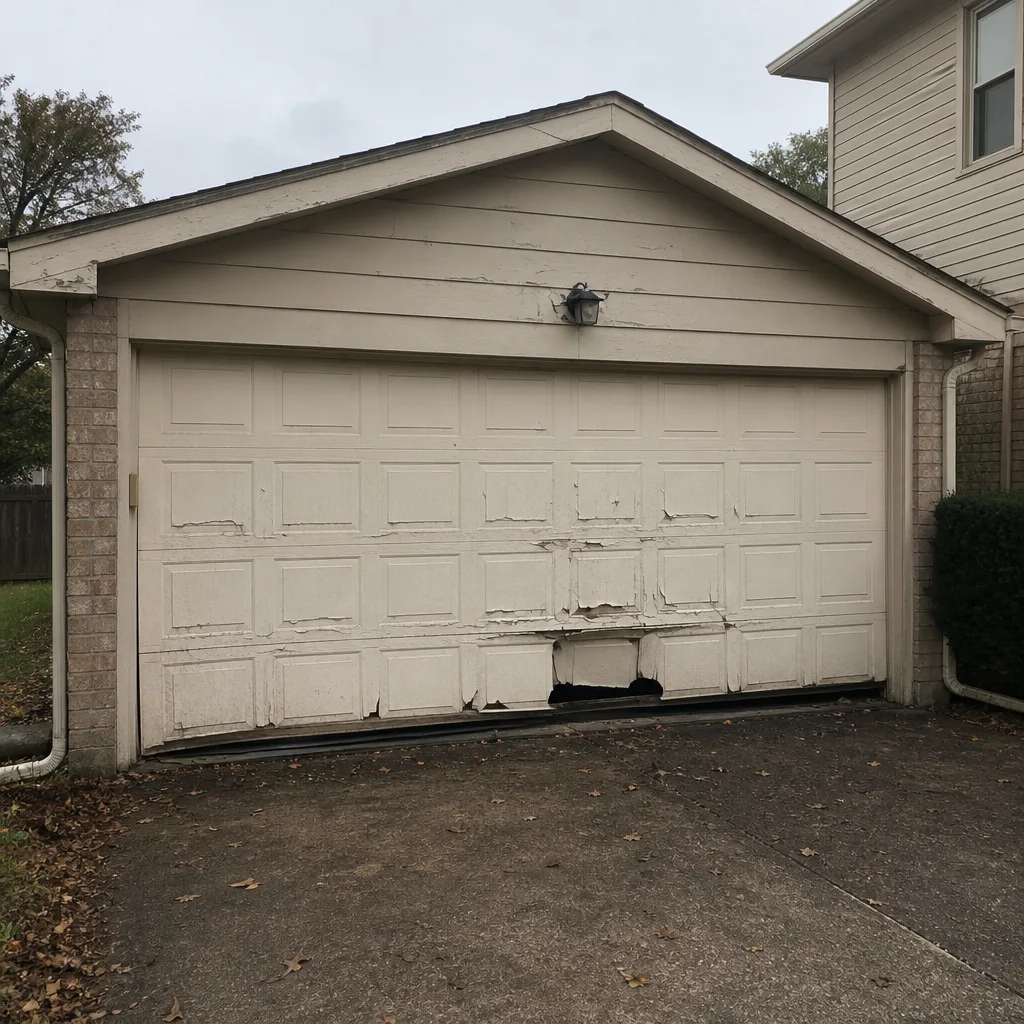 Before
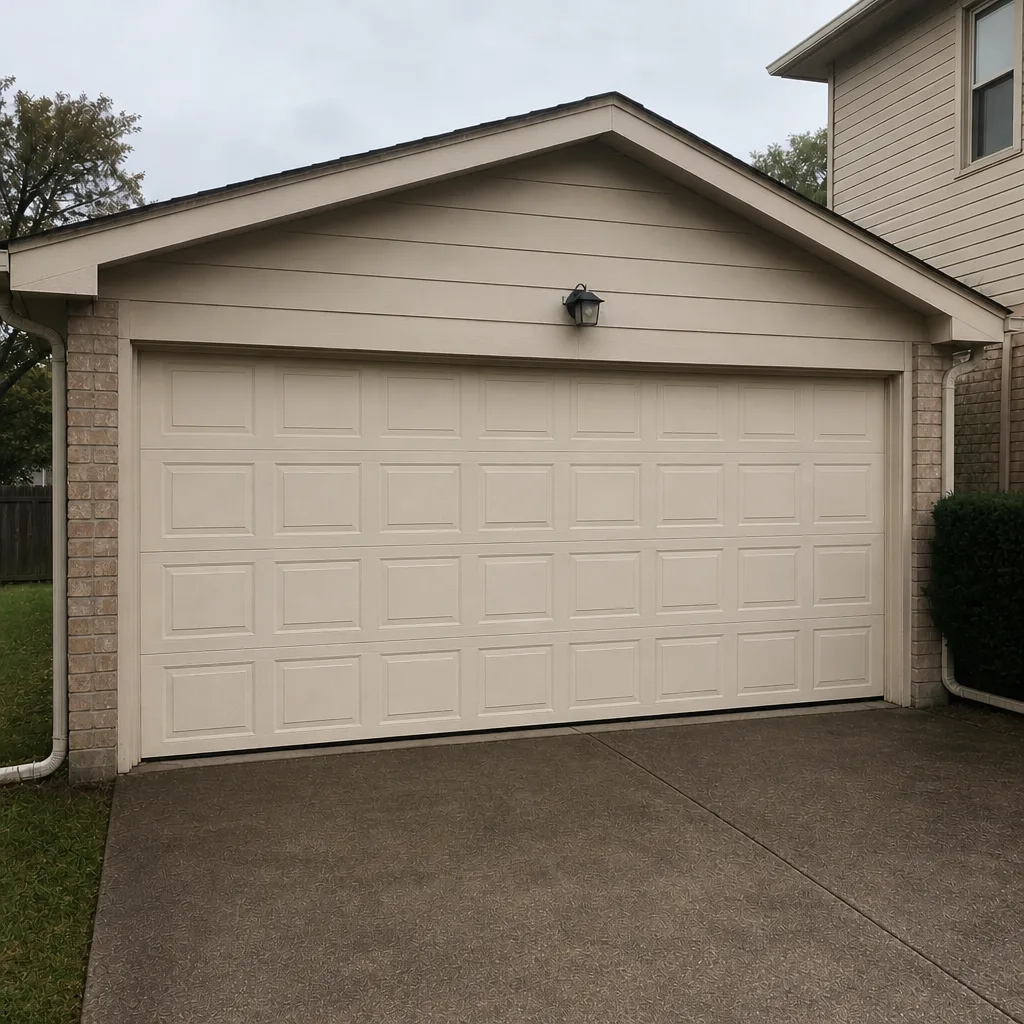 After
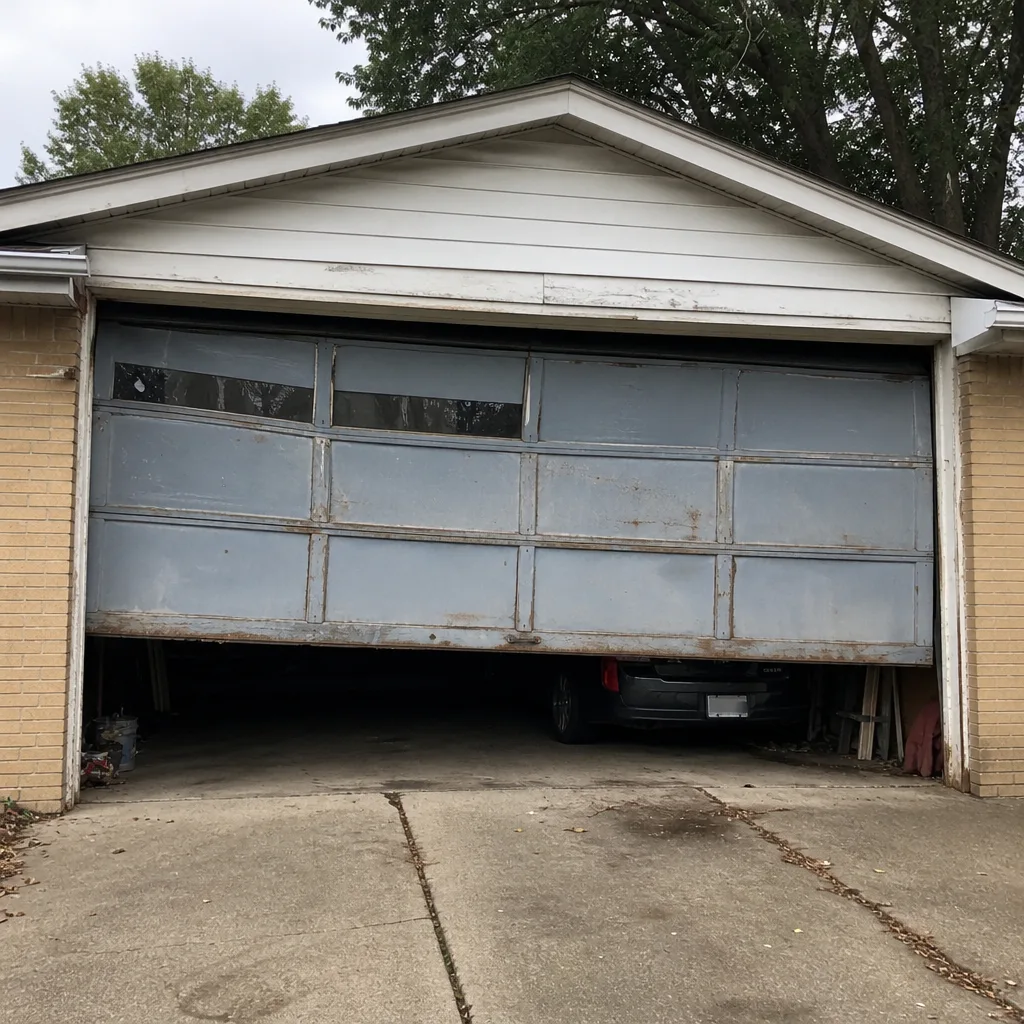 Before
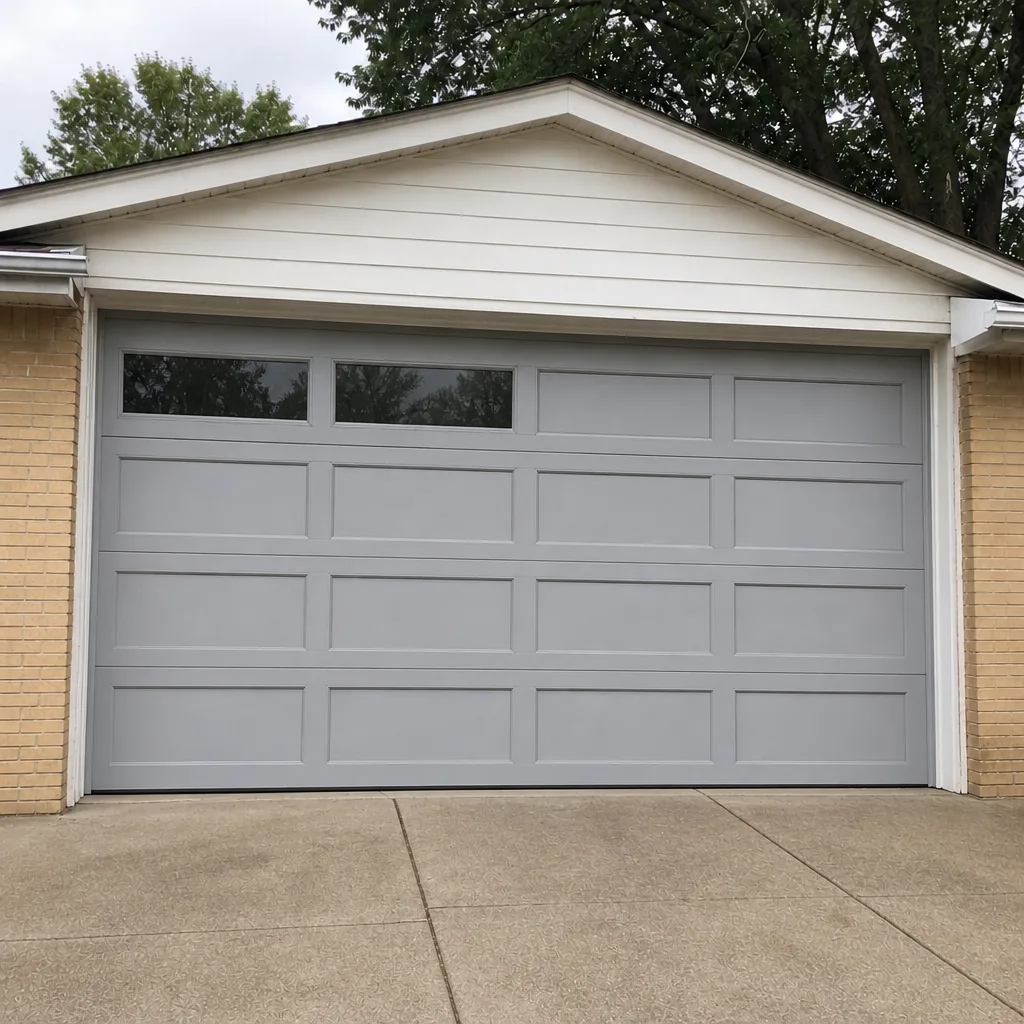 After
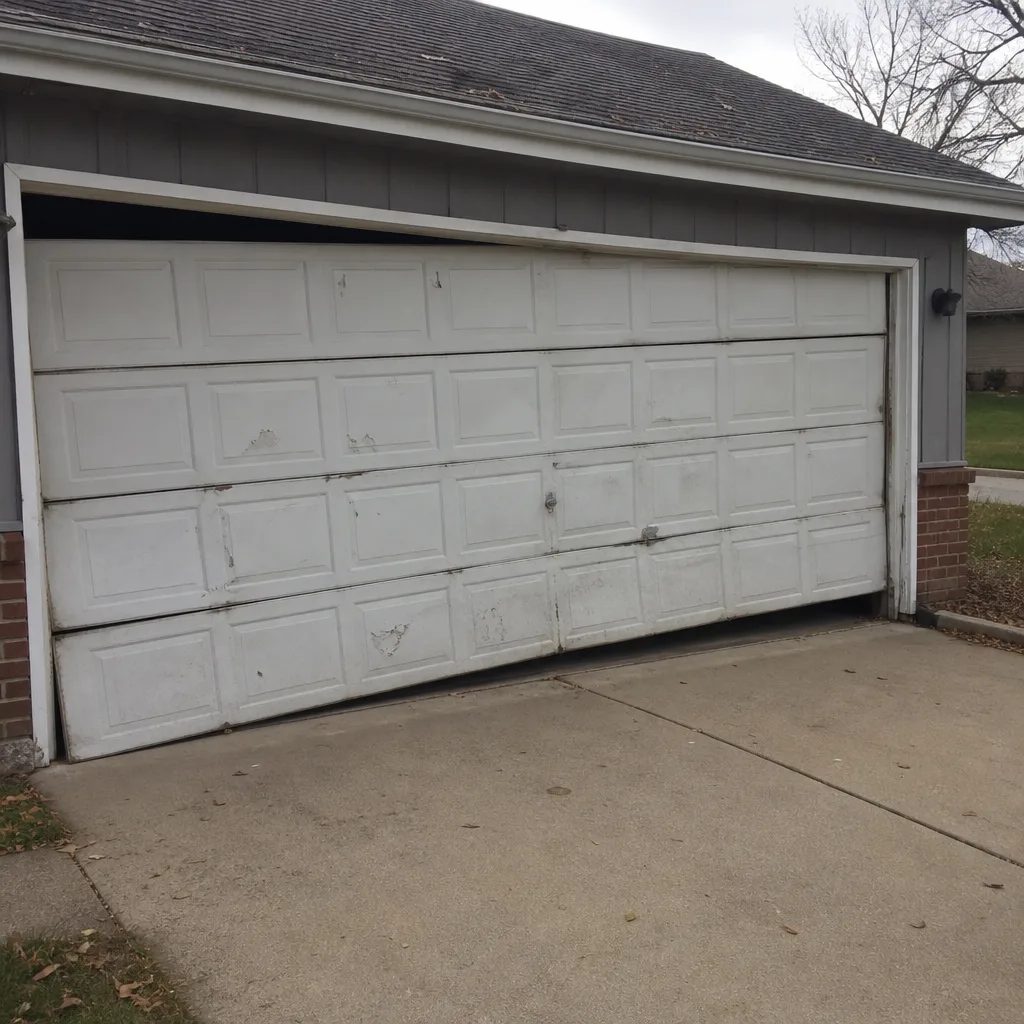 Before
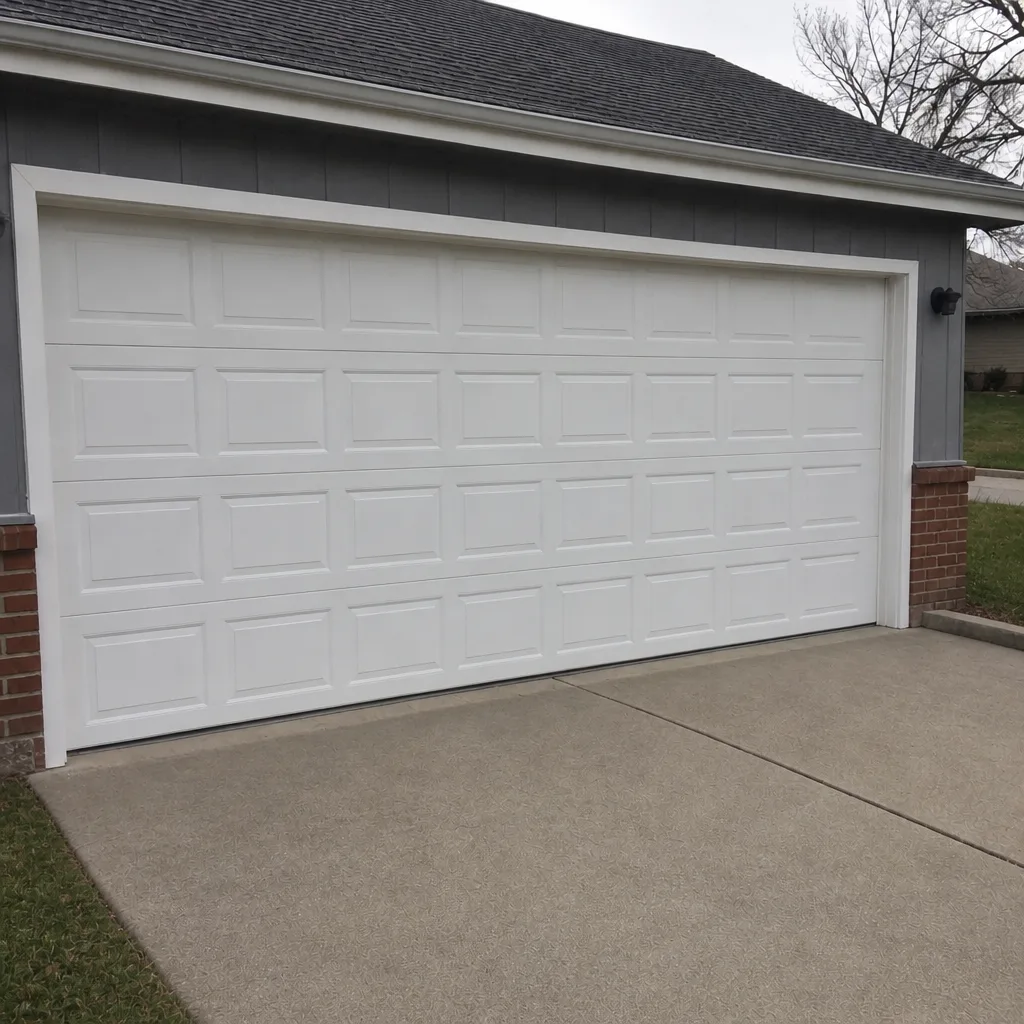 After
When to Call a Professional
Call a professional immediately if any of these apply: a broken torsion or extension spring, a cable that has snapped or come off its drum, a bent bottom bracket, a door that has slammed down hard or won’t lift at all, or a door that’s stuck open and can’t be secured. These are stop-using-it situations, not “see how it goes” situations. Emergency garage door service is available because a stuck door in an open position isn’t a scheduling problem.
For everything else (a slow door, a noisy door, a remote that stopped working, a sensor that keeps tripping), we can also take the call and diagnose by phone if it’s simple, or book a service visit if it isn’t. Schaumburg Garage Door Repair Co offers free estimates in Schaumburg. Call (866) 947-9001.
Frequently Asked Questions
No. Torsion and extension springs are under extreme tension and can cause severe injury if released improperly. Even experienced tradespeople call a specialist for spring work, since the winding and unwinding process requires the right rods and the right feel for tension. Call (866) 947-9001 and we’ll send a trained technician.
Typical repair costs in Schaumburg range from about $90 for a bottom seal replacement up to a few hundred dollars for spring or cable work. A single torsion spring is usually around $190 to $340; a matched pair is about twice that. Cable work typically runs $120 to $220 per side. Your written estimate sets the final price, and it’s agreed before work starts. Call (866) 947-9001 for an exact quote; estimates are free.
Almost always the safety photo-eye sensors at the bottom corners or a travel-limit setting that drifted. Wipe the sensor lenses, check that nothing is blocking the beam, and look at the small LED on each sensor. If the LED is blinking instead of solid, the sensor is misaligned or blocked. If they look clean and aligned, the opener’s travel setting needs adjustment. Call (866) 947-9001 if you’d rather have a technician test it for you.
The freeze-thaw cycle here strips the lubricant off rollers and hinges and shrinks the metal slightly, which increases friction and noise. A silicone-based lubricant applied on rollers, hinges, and the torsion spring coil before winter usually quiets the door for the whole season. If the noise continues after lubricating, the door may have worn rollers or a slightly bent track. Call (866) 947-9001 for an inspection.
No, the price you agree to before work starts is the price. If a technician discovers something that materially changes the scope (a cracked track bracket, a worn opener gear that wasn’t visible on the initial call), they’ll explain what changed and get your approval on the new estimate before touching anything. You’re never billed more than the number you agreed to. Call (866) 947-9001 for a free estimate.
The local technicians we connect you with are licensed and insured as their state requires. We only work with vetted local professionals, not generalist handymen who happen to own a garage door spring tool. All our brand certifications cover LiftMaster, Chamberlain, Genie, Clopay, Amarr, Wayne Dalton, Craftsman, and Raynor. Call (866) 947-9001 to book a service.
The Bottom Line
Diagnosing a garage door problem in Schaumburg is about which symptoms the door is giving you, not which part happens to be at eye level. A loud bang and a door that won’t lift means a spring. Grinding and slow movement means tracks or rollers. A door that reverses before hitting the floor means sensors. The three repairs you should never do yourself are springs, cables, and bottom brackets. Everything else you can safely check before you call. Get a free estimate, get the door fixed, and stop worrying about what that spring might do. Our technicians have up to 14 years of experience, and we work on all eight major brands. No brand restrictions. No runaround. Call (866) 947-9001 for a free estimate.
For the full range of what we do across Schaumburg, start with Schaumburg Garage Door Repair Co. If you have a specific concern, our garage door spring repair and garage door opener repair pages walk through each category in more depth. Anything else, garage door repair covers the full scope.
Written by the team at Schaumburg Garage Door Repair Co.