Last updated November 23, 2026
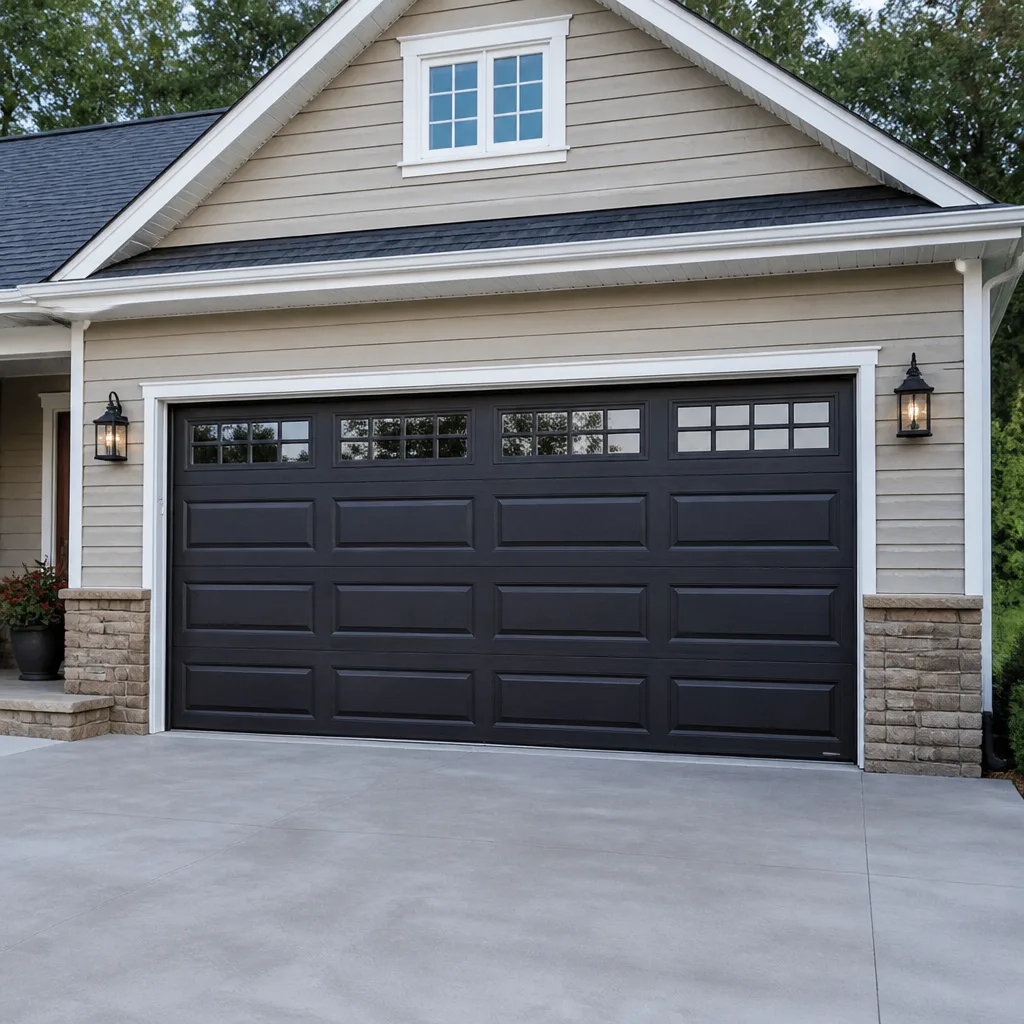 Raised-panel steel
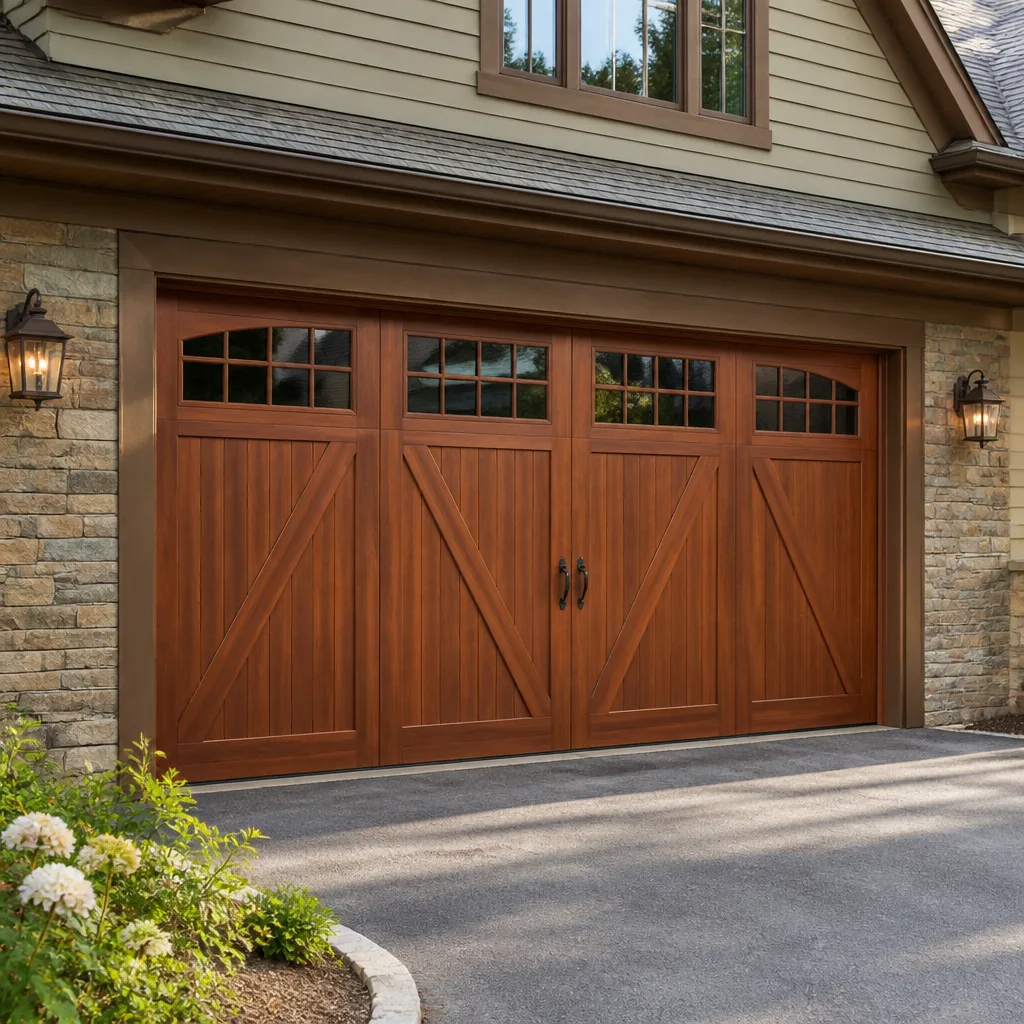 Carriage house
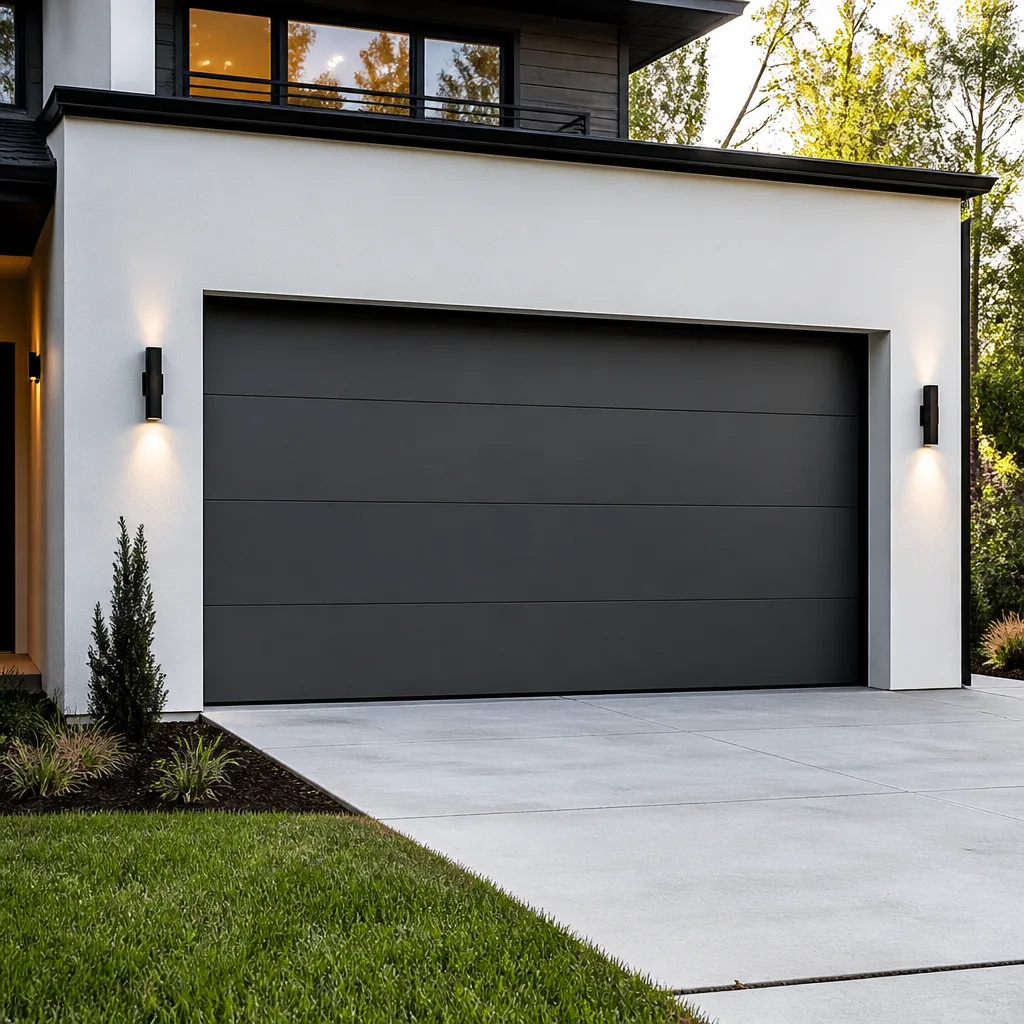 Modern flush
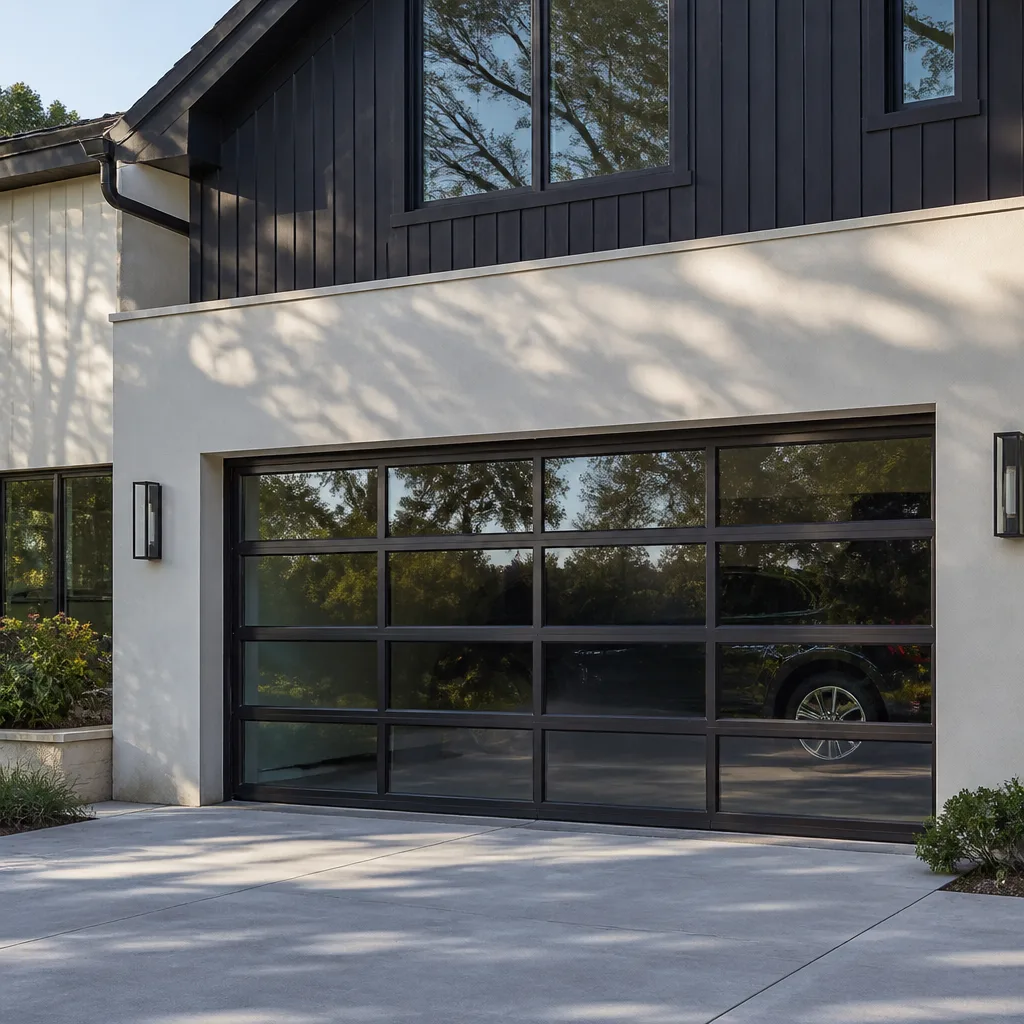 Full-view glass
 LiftMaster openers
 Chamberlain openers
Full 25-point door and opener safety check with every visit - springs, cables, rollers, tracks, and your LiftMaster or Chamberlain opener included
You get a price before we start. It does not change when the pro arrives.
Get your free estimateGarage Door Warning Signs: A Schaumburg Homeowner’s Reference Guide
Most garage door guides tell you to listen for “strange noises” and call someone. That’s useless when you’re standing in your driveway trying to figure out whether the sound you just heard is a $95 roller service or a door that’s a month away from coming off its track. The truth is that each failing component announces itself differently – a fraying cable grinds, a dying bearing squeals, a worn torsion spring pops, a loose panel bangs – and learning to tell them apart is the difference between a small fix and a collapsed door. This guide maps sounds, behaviors, and visual cues to the specific parts behind them, so you can describe the problem accurately on the phone and understand exactly what a technician is proposing to fix in your Schaumburg home.
Quick Answer
Garage door warning signs fall into three groups: sounds (grinding points to cables, squealing to bearings and rollers, popping to a torsion spring, banging to loose panels or hardware), visual cues (spring gaps, rust streaks, uneven coils), and behavior (hesitation in cold, inconsistent reversing, doors that stop partway). Catching any of these early usually means a repair instead of a full door replacement. Ignoring them is what turns a small fix into a safety hazard.
Styles & brands we work with
- Raised-panel steel
- Carriage house
- Modern flush
- Full-view glass
- LiftMaster openers
- Chamberlain openers
Table of Contents
- What Sounds Tell You: A Sound-to-Component Map
- Visual Signs a Torsion Spring Is Near the End
- Opener Motor Failure vs. a Door Out of Balance
- Why Your Door Hesitates in Cold Weather
- The Floor Gap Test and What It Reveals
- Safety Reversal and Sensor Warning Signs
- Brand-Specific Quirks Worth Knowing
- When to Repair, When to Replace
What Sounds Tell You: A Sound-to-Component Map
Sound is the earliest diagnostic signal a garage door gives you, and with a little practice you can narrow most complaints down to two or three components before anyone arrives. In our experience the four sounds below account for the majority of calls we schedule in Schaumburg.
Grinding
A grinding noise that gets worse as the door rises usually means a cable is fraying off its drum or a bearing is dry. The cable case is the one to take seriously: a fraying cable can slip its drum and drop the door off its track, which is a much bigger repair than the $95 service that might have fixed it a month earlier. If the grinding is steady and low-pitched near the springs, stop operating the door.
Squealing or Squeaking
High-pitched squeals usually point to rollers, hinges, or the opener’s bearing. This is often the least urgent of the four and the most fixable with proper lubrication on the right parts. A squeal that appears only at the start or end of travel is often a hinge; a squeal that runs the full cycle is usually rollers or a bearing.
Popping
A single loud pop followed by the door working again or not working at all is the classic sign of a torsion spring breaking. If you hear a pop and the door won’t lift, don’t force it. Call for garage door spring repair and don’t try to lift the door by hand. A torsion spring under tension stores enormous force. Working on one without training is one of the most dangerous things a homeowner can attempt.
Banging or Rattling
Loose panels, worn hinges, or a door that has shifted slightly off its track all produce banging. In Schaumburg’s freeze-and-thaw cycles, hardware loosens faster than in milder climates, and a rattle that appears every spring is often the first clue the track has drifted.
Landing on the right repair often starts with garage door repair rather than a full replacement – many of these sound complaints are single-component fixes.
Visual Signs a Torsion Spring Is Near the End
A torsion spring can fail without any warning – but in many cases there are visible clues weeks before it snaps. Looking at the spring on the wall above the door takes ten seconds and can save you a broken door, a stranded car, and an emergency call. Here’s what to look for.
Gap Formation in the Coils
A healthy torsion spring has evenly spaced coils. If you see a visible gap or a stretched section, the spring is losing tension and is on borrowed time. A spring with a gap will usually still lift the door, but it’s working outside its design, and the failure that follows is sudden.
Rust Patterns
Rust that streaks out from the coils – not just surface surface rust, but rust between the coils – is a sign of moisture penetration and material fatigue. In the Chicago area’s humid summers and wet springs, springs that were installed without proper coating show this early. Rust at the anchor points is also worth a call.
Uneven Coil Spacing
Coils that have visibly separated in one section mean the spring has already deformed. It’s a sign it has been cycled far beyond what it was designed for, or that it was undersized from the start. A mismatched spring is a common find when a door was repaired by someone who fitted whatever was on the truck.
Visible Cracks in the Coil
Hairline cracks between coils – easier to see with a flashlight at an angle – are the closest thing to a guaranteed failure. If you spot them, stop operating the door and schedule a professional evaluation.
What to Do If You See These Signs
- Stop using the door unless you must. Every cycle adds fatigue.
- Don’t try to inspect further by touch or by loosening anything. Torsion springs are dangerous.
- Note what you see. A technician who knows what a gap or a rust pattern looks like will confirm the diagnosis quickly.
- Schedule garage door spring repair. A matched pair is usually replaced together, so the price for one spring is about half the price for a pair.
Opener Motor Failure vs. a Door Out of Balance
When a door struggles, the first instinct is to blame the opener. In our experience, roughly half the calls we get for a “failing opener” end up being a door that’s out of balance – which is a much cheaper fix. Here’s how to tell the difference before you call.
The Manual Disconnect Test
Every opener has a manual release – usually a red cord hanging from the trolley. Pull it with the door in the closed position. Now lift the door by hand.
- If the door lifts easily with one hand and stays where you leave it – balanced door, likely opener problem.
- If the door is heavy, hard to lift, or sinks back down – the door is out of balance or a spring has weakened, and the opener is being blamed for a problem it didn’t cause.
- If the door lifts and then drops hard – stop and call for spring repair immediately.
Reconnect the trolley by pulling the door to the opener position and re-engaging the release. If you’re not comfortable doing this, don’t – call garage door opener repair and describe what you’re hearing. Our technicians use this test on most diagnostics calls.
Signs It’s Actually the Opener
- Lights flicker or don’t come on when the opener runs
- The wall button works but the remote doesn’t (or vice versa)
- The door stops and reverses for no obvious reason
- The opener runs but the door doesn’t move at all
- Loud mechanical noise coming from the opener head itself, not the door
A tired opener on a balanced door is a diagnostic, not a crisis. It’s one of the few warning signs where the repair can usually wait for a scheduled visit. For a stuck door that won’t open at all, we treat it as an emergency. When your door won’t move, we do.
Why Your Door Hesitates in Cold Weather
Colder weather reveals problems that summer hides. A door that “works fine most of the time” but hesitates on the first cold morning of the year is usually telling you about lubrication or balance, not the opener. Here’s what’s happening when the temperature drops.
What Cold Actually Does
- Thickens grease. Old grease in rollers, hinges, and the opener rail becomes stiff in the cold, adding drag.
- Shrinks and stiffens weather seals. The bottom seal and side seals grip the door harder, so the opener has to work harder to lift.
- Changes spring force slightly. A torsion spring’s force fluctuates with temperature, so a spring that was just at spec in October can feel weak in January.
- Reveals balance issues. A door with a slightly weakened spring will often still work in warm weather and stall in the cold.
What to Check
- Look at the bottom seal. If it looks stiff, cracked, or frozen to the floor, that alone may be causing the hesitation.
- Run the manual disconnect test described above – if the door is heavy by hand, that’s your answer.
- Listen for the sound the door makes when it stalls. A squeal suggests rollers; a straining hum suggests the opener working against resistance.
- Don’t add grease at random. The wrong lubricant attracts dirt and makes things worse. Let a technician match the lubricant to the hardware.
This is one of the most common diagnostics calls we get in Schaumburg once temperatures drop below freezing. The cost difference between a lubrication service and a new opener is significant, so it’s worth knowing which one you’re dealing with.
The Floor Gap Test and What It Reveals
Walk outside on a sunny day, close the door, and look at the line where the bottom seal meets the floor. What you see tells you a surprising amount about track alignment, foundation settling, and the health of your panels – and it’s a test you can do in under a minute.
What an Even Gap Looks Like
A healthy door has a consistent seal all the way across – no light showing through, no visible hump in the middle, and the bottom of the door sitting level with the floor.
What a Bad Gap Looks Like
- A gap under one side. The track has drifted or the floor has settled. Left alone, the door will start to bind and eventually damage the panels.
- A gap under the middle. Often a floor hump from settling or a bowed bottom section. The door may be forcing itself against the floor, which wears out the opener faster.
- Light visible on both sides but not the middle. Track spread or track spread combined with a worn bottom seal.
- The door doesn’t sit flush at all. Travel limits are off, or the door is out of balance.
Why It Matters in Schaumburg
Schaumburg’s mix of older ranch homes and newer construction means foundations are at very different stages of settling. A floor gap that opens up over a single winter is often the first clue the slab has shifted, and that has to be fixed before the door can align cleanly. A gap that’s been there for years without getting worse is more likely a track adjustment. Either way, it’s a small repair when it’s caught early.
Safety Reversal and Sensor Warning Signs
A garage door is the largest moving object in most homes, and its safety systems are the reason it hasn’t hurt anyone in your household. When those systems start behaving oddly, it’s not a minor annoyance – it’s a warning to stop using the door until it’s checked.
Test the Safety Reversal System
- Lay a 2×4 flat on the ground under the door’s path.
- Close the door using the wall control or remote.
- The door should reverse when it contacts the board. If it doesn’t, stop using the door.
- Pick up the board and test the photo-eye sensors: block each sensor with your hand while the door is closing. The door should reverse.
Warning Signs That Need Urgent Attention
- The door reverses for no obvious reason, or reverses before it reaches the floor
- Sensor lights blink or stay off instead of steady green
- The door ignores the wall button or the remote
- Loose cables, hanging springs, or a door that looks skewed
Any of these want an emergency callback rather than a scheduled appointment. Call (866) 947-9001 and describe exactly what you’re seeing.
Brand-Specific Quirks Worth Knowing
A warning sign route that skips brand misses half the diagnostic picture, because different brands fail in different ways and at different ages. We service products from LiftMaster, Chamberlain, Genie, Clopay, Amarr, Wayne Dalton, Craftsman, and Raynor, so we’re used to the specific hallmarks each one tends to show.
Common Examples
- LiftMaster and Chamberlain openers. The wall button and remote sometimes fail separately, and traveler/limit issues on these openers often show up as a door that stops partway through travel.
- Craftsman and Genie units. Logic board and sensor issues are common as these openers age, and the behavior is often intermittent – the door works for a week and then refuses to move.
- Clopay and Amarr doors. Quality panels, but rust at hinges and seams is the most common wear pattern in our climate when drainage is poor.
- Wayne Dalton and Raynor doors. Track and weather seal issues are typical on older installations, and the seal is often the culprit when the door feels like it’s fighting the opener.
If you’re not sure which brand you have, that’s fine. Describe the sound, the behavior, and the age, and any experienced technician can narrow it down quickly. What matters is that whoever comes out is set up to work on what you have, without brand restrictions.
When to Repair, When to Replace
Here’s a rough rule of thumb. Sound and behavior complaints – squeals, rattles, hesitation, one part working harder than it should – are almost always repairs. Structural complaints – cracks in the door, panels bent from impact, hardware that has pulled out of the door – move you into the replacement conversation.
Repair Territory
- Squeals, rattles, or popping that hasn’t broken the door
- A single spring that’s clearly the problem
- Opener that works but hesitates
- Floor gap or track alignment that can be adjusted
- Rollers or hinges at the end of life
Replacement Territory
- Multiple failing components at once with a door that isn’t worth repairing
- Panels that are bent, cracked, or separating from the hinges
- A door that no longer seals against the floor, walls, or header
- A door design you don’t like and are ready to change
For anything on the replacement side, the right first step is a free measure and a written price – not a hasty commitment on the phone. We’re happy to walk through both options on the same call so you can compare without pressure.
Common Mistakes to Avoid
- Assuming a “strange noise” is the opener. Two-thirds of the noise complaints we get trace back to the door or springs, not the motor. Run the manual disconnect test first.
- Adding lubrication at random. The wrong grease attracts dirt and grits up the hinges. Let a technician match the lubricant to the hardware.
- Loosening the springs “to check.” Torsion springs are under enormous tension. A spring under load can cause serious injury, and it’s not a homeowner job. Call for garage door spring repair instead.
- Ignoring a floor gap for a season. A gap that grows over a single winter usually means the floor or the track has shifted, and it’s much cheaper to fix before panel damage starts.
- Skipping the safety reversal test. It takes less time than reading this paragraph and it can catch a failing sensor before anyone gets hurt.
- Calling a generalist for spring or opener work. A handyman who doesn’t work on garage doors full-time is unlikely to know your brand’s quirks or its specs, and that turns a small job into a callback.
- Accepting a quote without knowing what’s being replaced. Ask which specific part is failing, why, and what happens if you wait. The answer should be clear, not vague.
See the difference
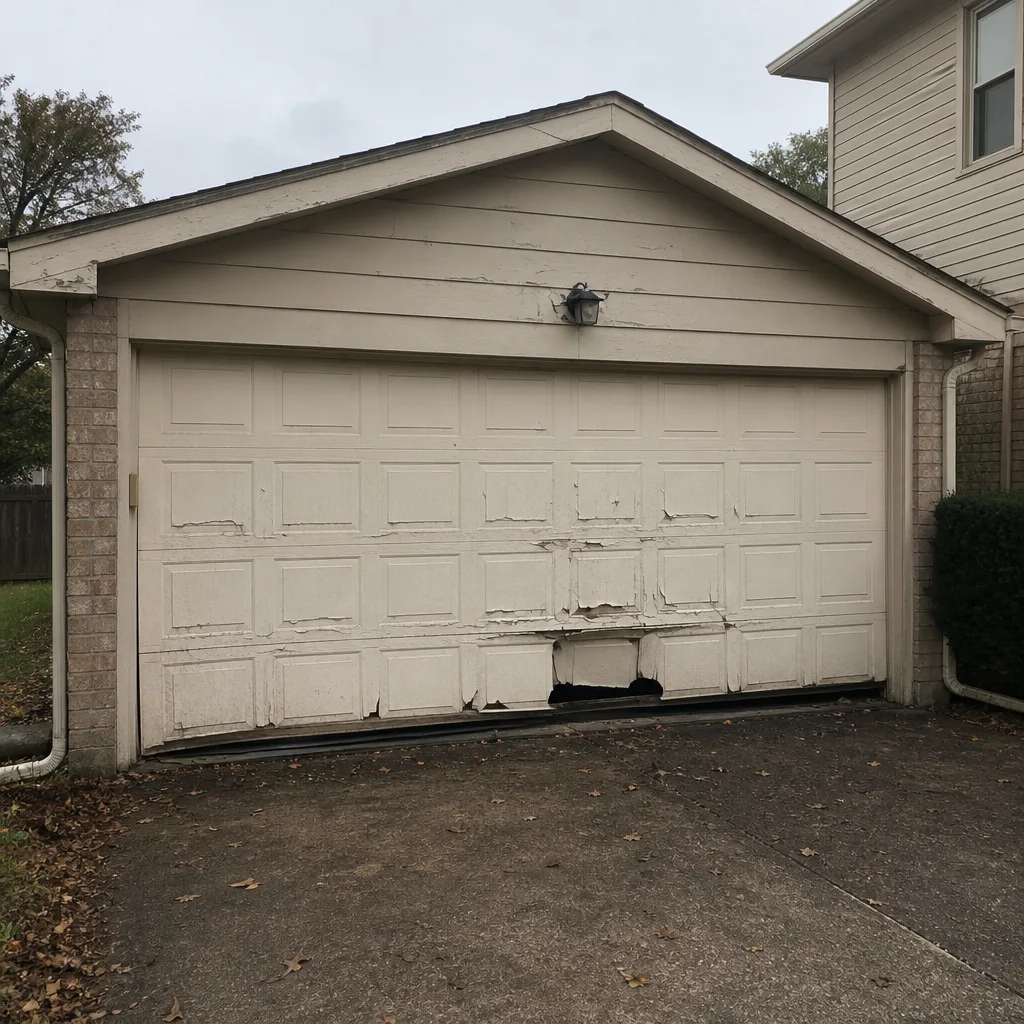 Before
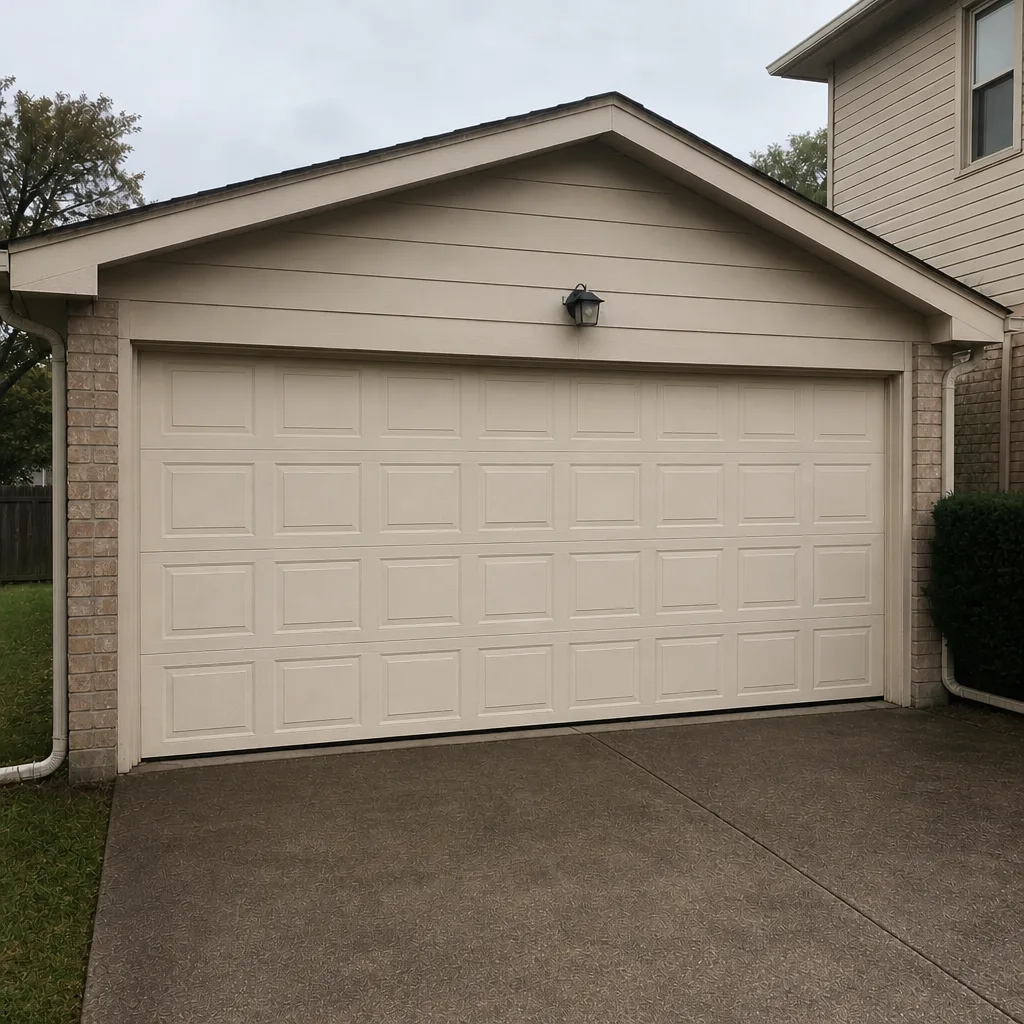 After
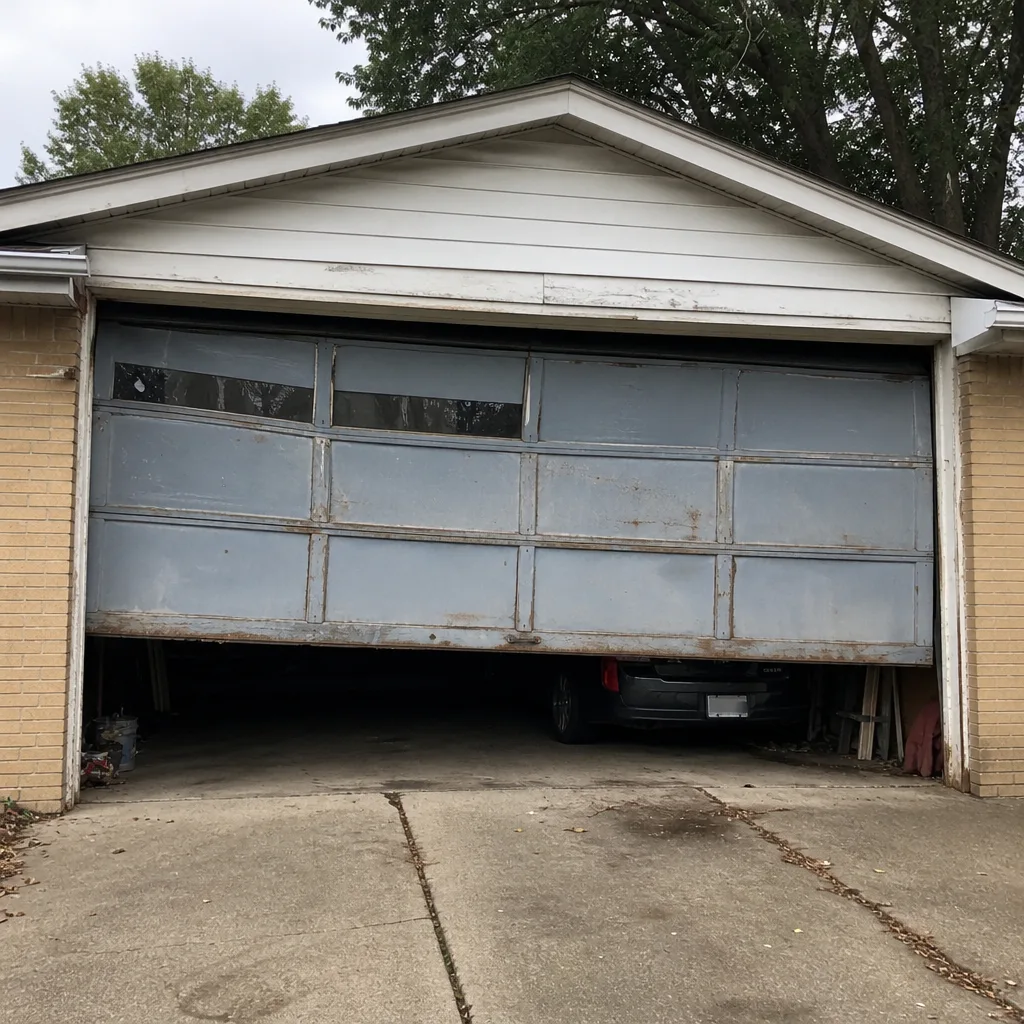 Before
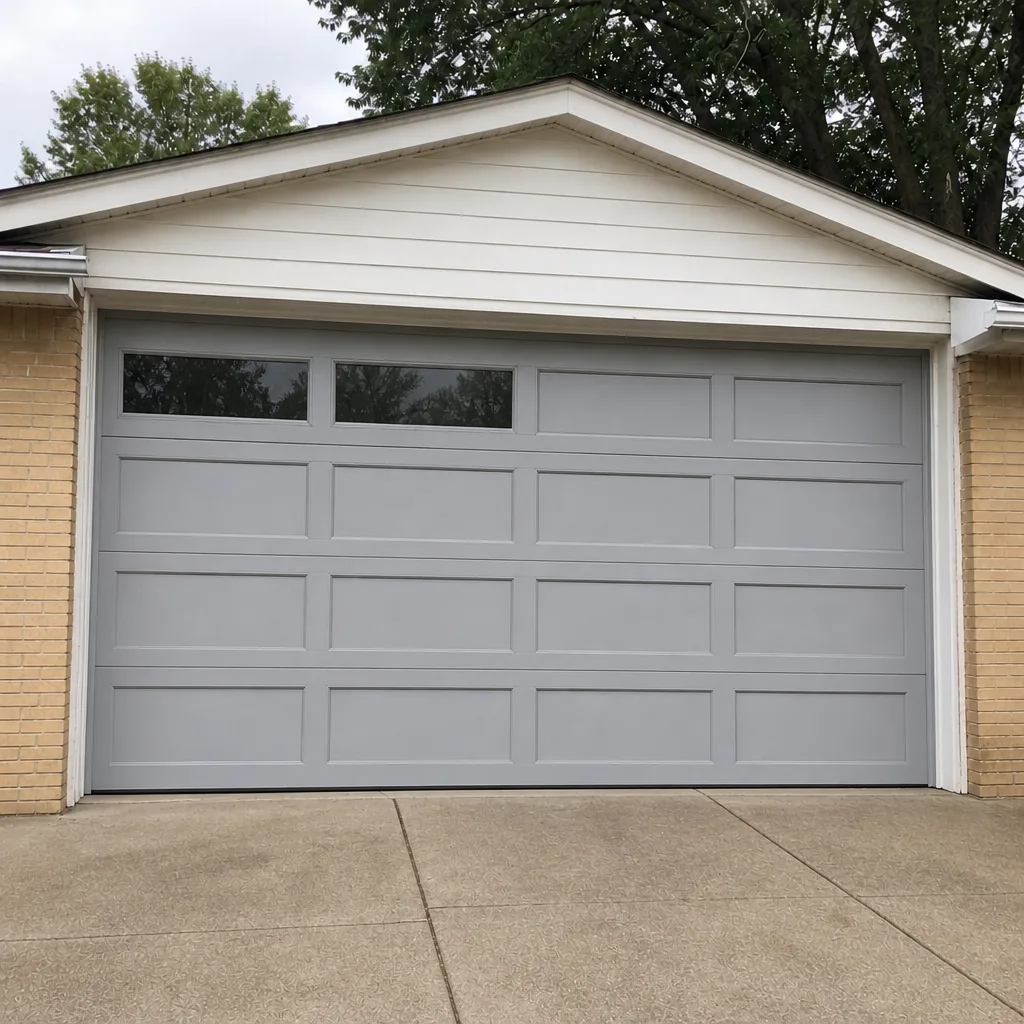 After
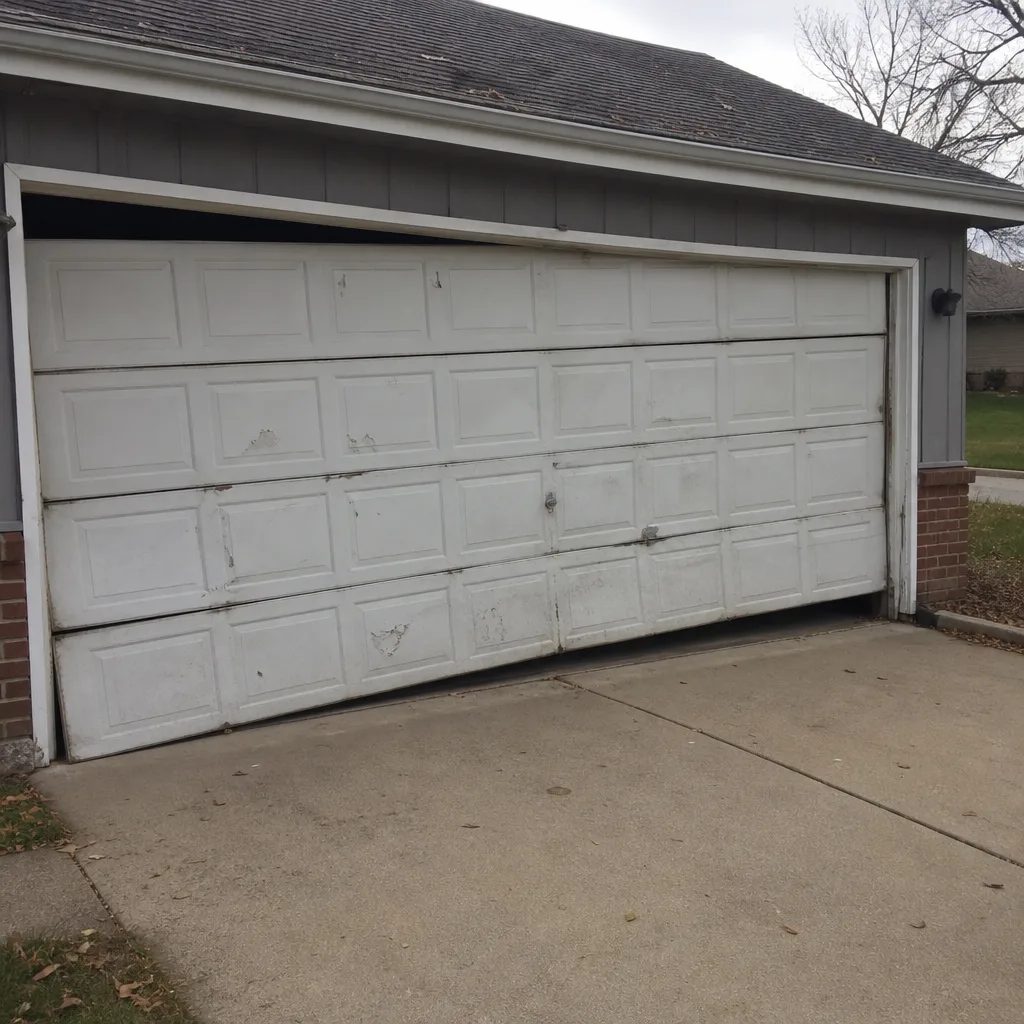 Before
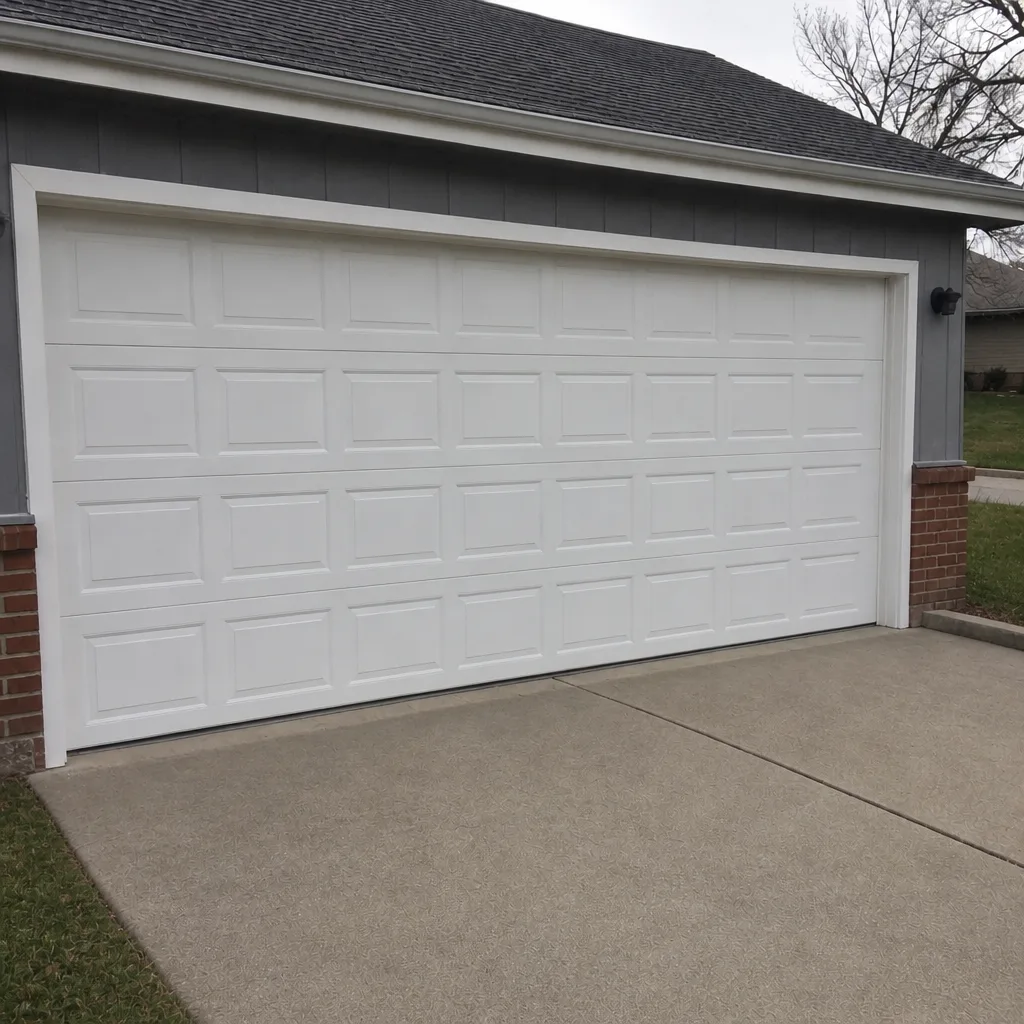 After
When to Call a Professional
Call us when the door won’t lift, when you hear a pop followed by a dead door, when the safety reversal test fails, when a spring gap or rust pattern appears, or when a door hesitates in the cold and doesn’t recover. Call us when the opener works but the door doesn’t move, when the door won’t close flush, or when a strange sound isn’t going away. The line between “wait and see” and “call now” is whether the door can hurt someone or strand you in the meantime. If either is possible, call. Schaumburg Garage Door Repair Co offers free estimates in Schaumburg – call (866) 947-9001. Our technicians have up to 14 years of experience, and we work on LiftMaster, Chamberlain, Genie, Clopay, Amarr, Wayne Dalton, Craftsman, and Raynor without brand restrictions.
Frequently Asked Questions
Sound, almost always. Squealing from rollers, grinding near the springs, or a bang when the door hits the floor are the three earliest signals we hear about. A visual clue like a floor gap or rust on the springs is often present for weeks before the sound starts. If you hear a sound that wasn’t there last month, that’s your cue to look closer.
You can look, but don’t touch. Visual inspection of coil spacing, gaps, rust patterns, and cracks is safe from a step or two back. Handling, loosening, or adjusting a torsion spring is dangerous and not a homeowner job – a spring under load can cause serious injury. If you see something wrong, call for garage door spring repair.
Pull the manual release cord with the door closed, then lift the door by hand. If it’s heavy or sinks back down, the door is out of balance or a spring has weakened and the opener is being blamed. If it lifts easily and stays, the door is fine and the opener is the likely culprit. When in doubt, call for garage door opener repair and describe the test result.
Cold thickens old lubricant, stiffens weather seals, and changes the spring’s balance slightly. A door that was fine in October and hesitates in January usually needs lubrication or a balance check, not a new opener. In Schaumburg, once temperatures drop below freezing, this is the single most common call we get.
Prices are always quoted before work begins, and the written estimate is the final price. Common repair ranges are roughly:
- Service call and diagnosis: $75-$150
- Roller or hinge replacement: $95-$250
- Opener repair or replacement: $150-$450
- Single torsion spring replacement: $180-$340 (a matched pair is usually replaced together, so a pair is about twice that)
- Full new door installation: by written estimate only, based on door and opener selection
Call (866) 947-9001 for an exact quote – estimates are free.
For emergency cases – stuck doors, snapped springs, doors off their track – we can often respond same day, with fast dispatch from 7am to 7pm. For scheduled repairs and installations, call and we’ll book you in the first available slot. Emergency service is a real offering, not just a phone line. If the door is safe to leave closed, say so on the call and we’ll guide you through what to do (and what not to do) until a technician arrives.
The Bottom Line
Garage door warning signs are never random. Sounds point to specific components, visual cues like spring gaps and rust patterns are your earliest spring warning, behavior changes in cold weather usually mean lubrication or balance, and the floor gap test catches track issues before they cost you a panel. Learn to describe what you’re hearing and seeing, and you’ll walk into any repair estimate already knowing what’s wrong. That’s the best defense against being quoted for work your Schaumburg home doesn’t need. And when the door won’t move at all, call – same-day dispatch is there for exactly that situation.
Get a Free Estimate Today
If something on this list sounds familiar, don’t wait for the small repair to become a big one. Whether it’s a stuck door, a grinding cable, or an opener that’s starting to hesitate, we can diagnose it, quote it, and fix the right part without the runaround. We service LiftMaster, Chamberlain, Genie, Clopay, Amarr, Wayne Dalton, Craftsman, and Raynor, and springs, openers, and full doors are all handled under one call. Call (866) 947-9001 for a free estimate, and visit Schaumburg Garage Door Repair Co to see the full range of what we handle in Schaumburg and the surrounding area.
Written by the team at Schaumburg Garage Door Repair Co.