Last updated November 23, 2026
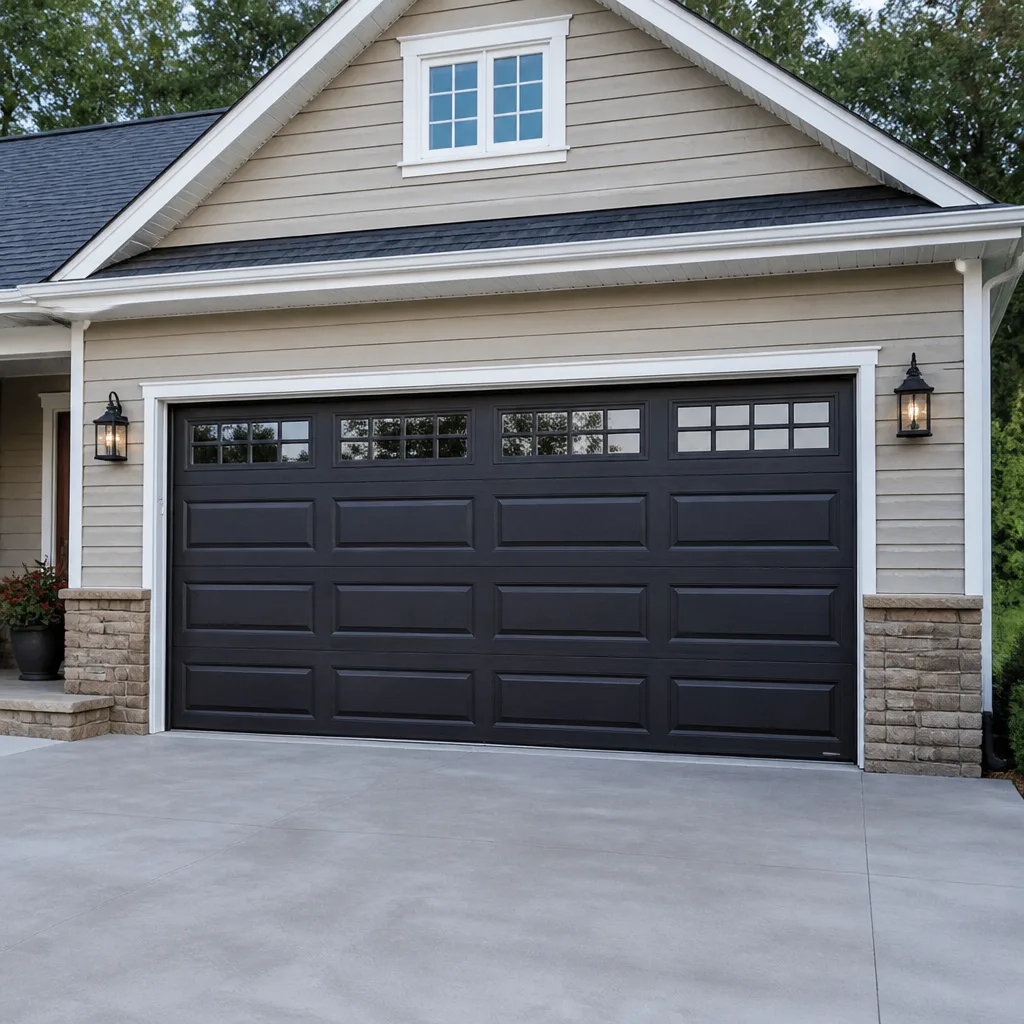 Raised-panel steel
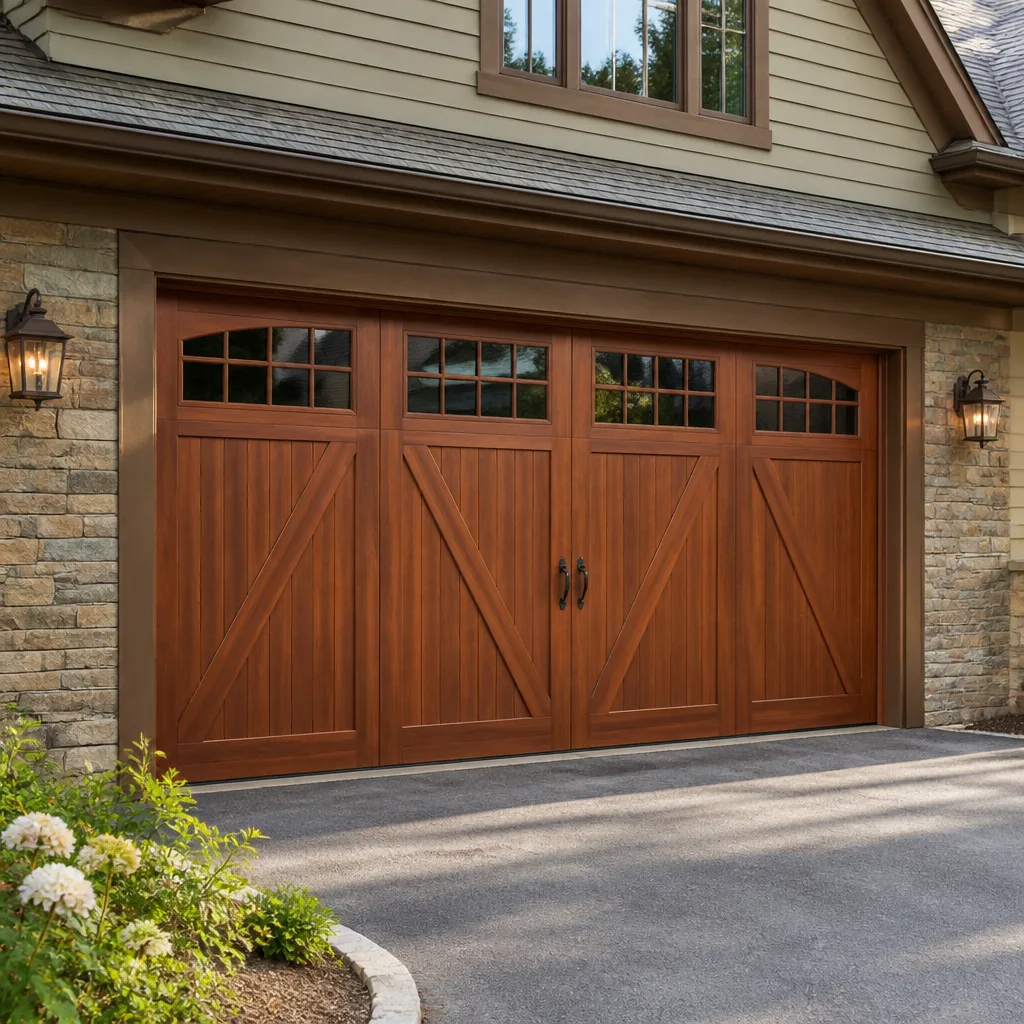 Carriage house
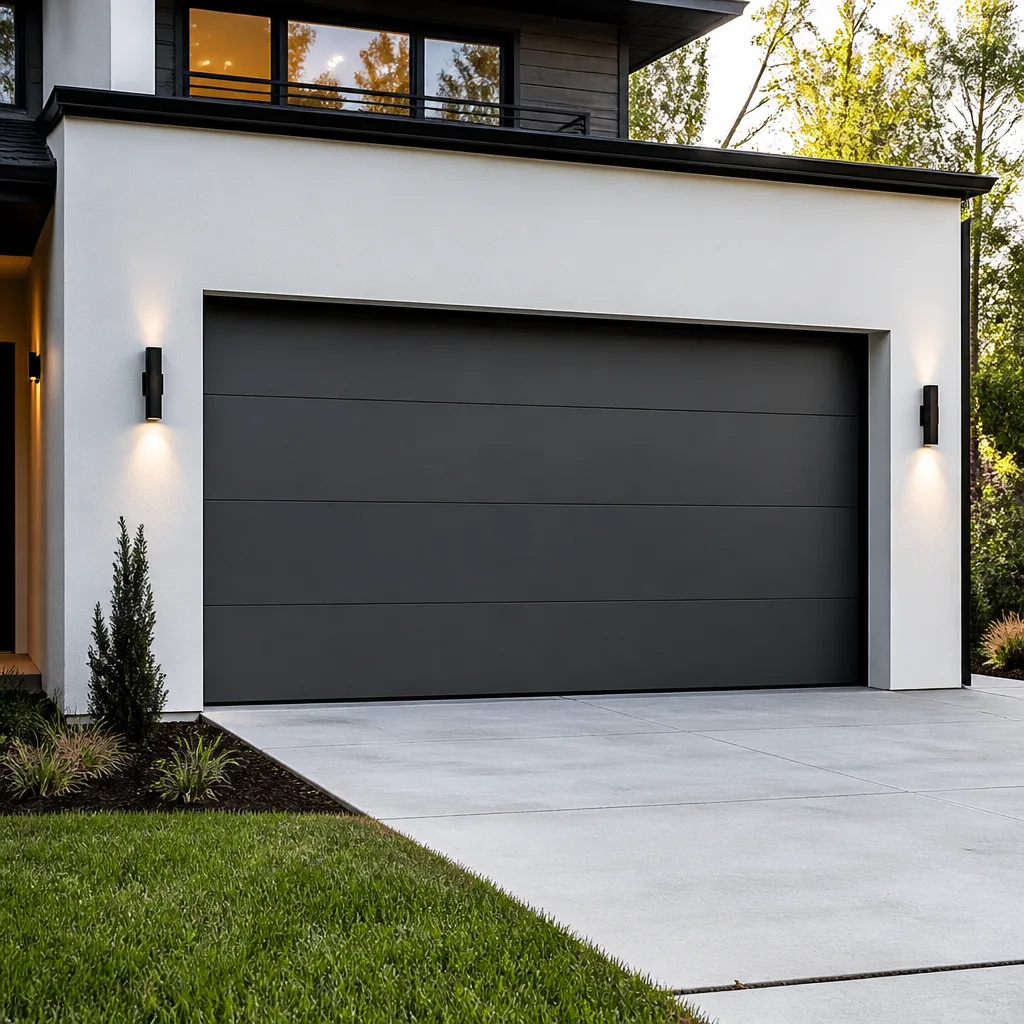 Modern flush
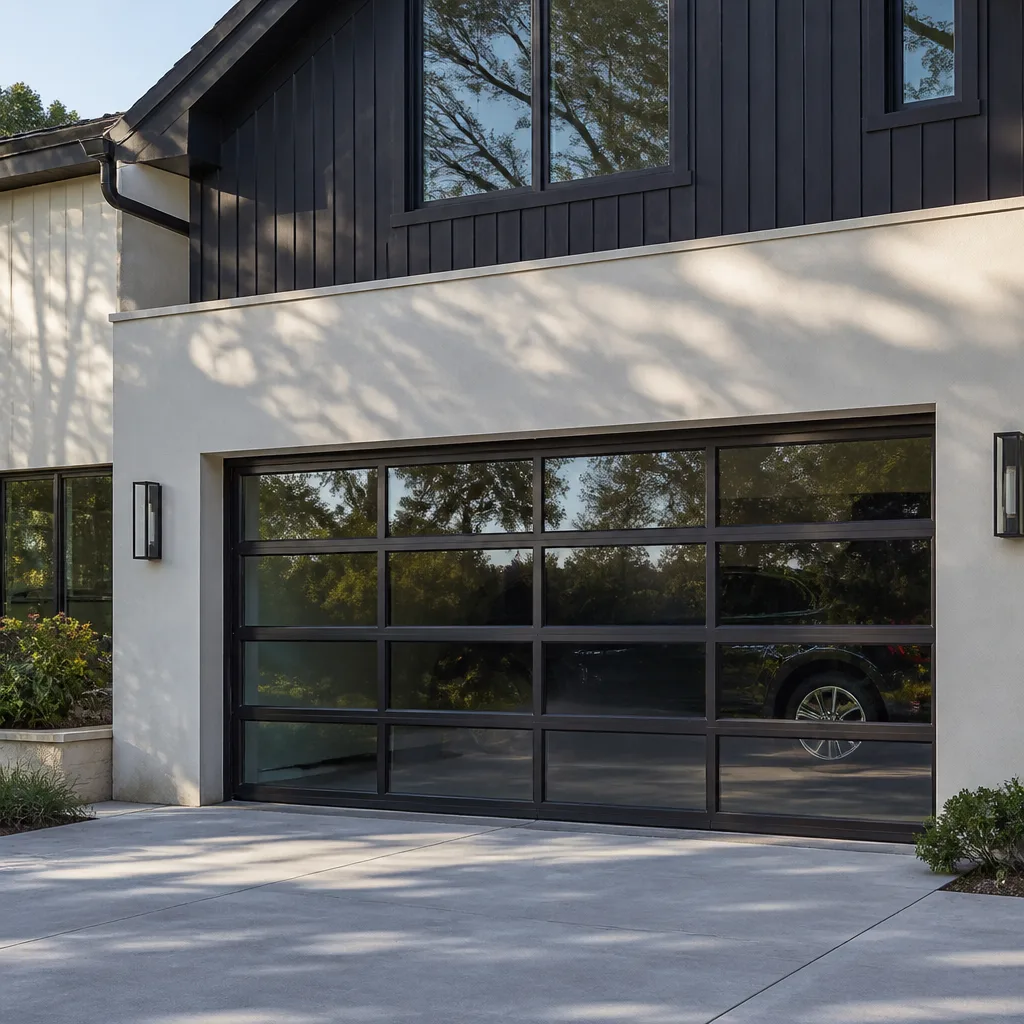 Full-view glass
 LiftMaster openers
 Chamberlain openers
Full 25-point door and opener safety check with every visit - springs, cables, rollers, tracks, and your LiftMaster or Chamberlain opener included
You get a price before we start. It does not change when the pro arrives.
Get your free estimateGarage Door Permits, Codes & Inspections in Schaumburg, IL: What You Need to Know
Here’s the part that surprises most people: swapping a garage door in Schaumburg isn’t always a simple cosmetic upgrade. Sometimes it’s permitted construction work, and sometimes the Village treats it as a fixture replacement that needs nothing more than a phone call. The trouble is that homeowners rarely sort out which category they’re in until a home inspector, a buyer’s lender, or a title company raises the question during a sale. What follows is a plain-English map of when a permit applies, what the village inspection actually involves, which building codes shape attached-garage doors, and how to catch a compliance gap before it becomes someone else’s closing problem. We’ll keep it practical and specific to how things work in Schaumburg.
Quick Answer
In Schaumburg, a permit is generally required when garage door work changes the structure, the opening size, or the door’s assembly – a new installation, a wider or taller opening, a replaced header, or a change from one door type to another. A straight like-for-like replacement of the same size door with the same material and fire rating often does not require a permit, but you should confirm that with the Village’s building department before the old door comes down. A garage door replacement that skipped a required permit can surface during a home sale inspection and delay or complicate the closing.
Styles & brands we work with
- Raised-panel steel
- Carriage house
- Modern flush
- Full-view glass
- LiftMaster openers
- Chamberlain openers
Table of Contents
- When does Schaumburg require a permit for garage door work?
- What “like-for-like replacement” actually means
- What the Village of Schaumburg inspection involves
- The fire-rating code almost no homeowner knows about
- How unpermitted work affects insurance claims
- Why garage door permits surface during a home sale
- How Schaumburg weather affects door wear and code compliance
- Common mistakes to avoid
- When to call a professional
- Frequently asked questions
When Does Schaumburg Require a Permit for Garage Door Work?
Schaumburg’s building department decides permit requirements based on what changes, not on whether the door is new. A door that goes back exactly where the old one was, same size, is usually treated as a fixture replacement. A door that alters anything structural is a different conversation. Think of it less as “installing a door” and more as “modifying a wall opening” – that framing gets you closer to how the village sees it.
Here’s how permit requirements typically break down by job type:
- Like-for-like replacement: Same width, same height, same material, same fire rating, same track and header in place. Often no permit, but always call the building department to confirm – a two-minute phone call beats a surprise during closing.
- New installation in an existing opening: If the door is different in size, weight class, or type (for example, converting from a single to a double door, or from sectional to a roll-up), plan on a permit.
- Structural changes: Any modification to the header, the framing around the opening, the track mounting, or the wall above the door almost always requires a permit and an inspection.
- Opener replacement: Typically no permit, even when the opener is a new Chamberlain or Genie model with different mounting. But if the wiring to the opener changes, that’s a separate electrical question for the village.
- Spring and cable work: No permit. This is repair work on the existing assembly, not construction.
In our experience, the confusion happens when homeowners assume “my door is the same size, so I don’t need anything.” Size is only one of the criteria. A different door material, a different fire rating, or a change in how the door seals against the frame can all flip the answer. When you call the Village of Schaumburg building department, describe the specific change and you’ll get a specific answer.
What “Like-for-Like Replacement” Actually Means
“Like-for-like” is a term homeowners hear and assume means “same size.” Under most village codes it means something stricter: the replacement door must match the existing door or the original approved plans in every performance-relevant way. Getting this wrong is the most common reason a job that should have been straightforward ends up needing a permit inspection after the fact.
Here’s what counts as like-for-like in Schaumburg in most cases:
- Same dimensions. Width and height match the existing opening within normal manufacturing tolerances. A slightly smaller door with filler trim is not like-for-like.
- Same material. Steel to steel, aluminum to aluminum, wood to wood. Upgrading from steel to an insulated Clopay or Amarr door is a material change and often triggers a permit review.
- Same fire rating. This is where a lot of homeowners get caught – see the fire-rating section below.
- Same mounting and track configuration. If the new door needs different track, different brackets, or a different header bracket, it’s a structural change.
- Same operation type. Manual to automatic, or a change in opener type that requires new electrical work, is not like-for-like.
If you’re swapping a damaged door for its exact equivalent because a car backed into it, or because hail is uncommon here but a storm dropped something on it, you’re usually in like-for-like territory. If you’re using the replacement as a chance to upgrade, assume the permit conversation needs to happen. That’s the moment a quick call to the village saves you weeks.
We walk through this with homeowners all the time during a garage door repair estimate, because the answer shapes the timeline and the paperwork.
What the Village of Schaumburg Inspection Actually Involves
The village inspector’s job is not to critique your taste in doors. It’s to confirm the door is installed in a way that’s safe, weather-tight, and compliant with the code it was approved under. In our experience, a garage door inspection is one of the shorter inspections on a permit – usually under an hour once the inspector arrives, assuming no corrections are needed.
Here’s what they typically check:
- Door fit and operation. Does the door open and close smoothly without binding? Does it stay in the tracks under normal use?
- Mounting and attachment. Are the tracks, brackets, and header bracket attached to solid framing at proper spacing?
- Fire-rated assembly. On attached garages, is the door itself compliant with the fire separation requirement? Is the self-closing or auto-closing mechanism working if it’s part of the approved assembly?
- Safety devices. On automatic openers, are the photo-eye sensors mounted correctly and functioning? Is the reversing mechanism operating?
- Clearance and sealing. Is the door sealing at the sides and bottom to keep weather out, and is there proper clearance for the door travel?
- Permit and paperwork. Does the installed door match what was described on the permit application?
If the inspection passes, the village closes the permit and you have a record of compliant work. If it fails, you get a correction list and a re-inspection. That’s the whole process in most cases. The trick is doing the install correctly the first time so the inspection is uneventful. When we handle a permit-required install, we schedule the work knowing the inspection is coming, and we leave the install in a state that passes.
Scheduling usually takes longer than the inspection itself. The village has its own review timelines, and the inspection is scheduled after the work is done. Plan on a couple of weeks from permit application to final inspection on a straightforward job, more if corrections come up.
The Fire-Rating Code Almost No Homeowner Knows About
This is the point most garage door guides skip entirely, and it’s the one that trips up Schaumburg homeowners most often. When a garage is attached to the house, the wall and door between the garage and the living space are part of the home’s fire separation. The International Residential Code (IRC) addresses this, and Schaumburg – like most Cook County suburbs – applies local amendments on top of it. The basic requirement is that the door separating an attached garage from the house must meet a fire rating, and in many cases the door assembly must be self-closing or automatically closing.
What this means in practice:
- Attached garages need a fire-rated door. Not every steel door qualifies. The door you buy has to meet the rating the code requires, which is stamped on the door’s label or provided by the manufacturer.
- The self-closing requirement is real. If the door between the garage and the house is supposed to close on its own, swapping in a plain door – even a good one – can fail inspection.
- Replacing a fire-rated door with a non-rated door is a code violation, even if the new door looks identical and fits perfectly. This is why material and rating matter so much in the like-for-like question.
- The door to the exterior of the garage (the big overhead door) is generally not the fire-rated component in this discussion – the fire separation is between house and garage, and the assembly includes the wall, door, and self-closer. But the overhead door can be part of a complex fire separation assembly in certain configurations, so it’s worth confirming with the village when the permit is pulled.
In our experience, this is the code point that catches homeowners during a sale. A buyer’s inspector sees a non-rated door where a rated one should be, flags it, and the seller ends up pulling the door back out to put in the right one. A five-minute conversation with the building department when the door is ordered prevents all of it.
How Unpermitted Work Affects Insurance Claims
Here’s the uncomfortable answer: it depends on the claim and the policy, but in general, unpermitted work creates risk you don’t want to carry. If a door fails – a spring snaps, a panel gives way, the door comes down on a person or property – the insurer will look at whether the installation met code. If it didn’t, the claim can be denied or reduced, and you can be left covering the loss yourself.
Three things to know about how this usually plays out:
- The insurer doesn’t always check until there’s a claim. You may carry an unpermitted installation for years without a problem. The problem surfaces when something fails and the claim is investigated.
- Permits are evidence. A closed permit is documented proof the work passed inspection. Without it, the burden shifts to you to prove the work was done correctly, which is much harder after the fact.
- Liability is the bigger risk. If a door that shouldn’t have passed inspection injures someone on your property, the permit record matters. It’s the difference between “the work was inspected and approved” and “we don’t know who did this or when.”
Most homeowners never think about the insurance angle until a claim is denied. In our experience, the honest answer is that pulling a permit when it’s required is a fraction of the cost of an uncovered loss. When we handle a permitted install, we hand off the paperwork so you have a record for your insurance file. It’s not the exciting part of the project, but it’s the part you’ll be glad about later.
Why Garage Door Permits Surface During a Home Sale
Real estate transactions are where permits hide and then reappear at the worst possible time. Illinois home inspectors have gotten more thorough about checking for unpermitted structural changes, and garage door replacements have moved up their list in recent years. Buyers’ lenders and title companies can also flag unpermitted work, and once it’s on the radar, it has to be resolved before closing.
The chain of events usually looks like this:
- A home inspector notes a garage door replacement and asks the seller whether a permit was pulled. If the seller can’t produce one, it gets written into the inspection report.
- The buyer’s lender or title company gets involved. Depending on the loan program, an unpermitted door can delay underwriting or hold up the title search.
- The fix usually involves a retroactive permit or a fresh installation with inspection, both of which take time and money that the seller hadn’t budgeted.
- The deal can slip or the seller can eat the cost. Either way, the problem would have been cheaper to solve before the house went on the market.
The frustrating part is that this almost never happens because the previous installation was bad. It happens because nobody checked whether a permit was needed. A homeowner who replaced a damaged door with a similar one, through a general handyman, has no idea whether the job crossed the permit threshold. They find out at the worst possible moment. If you’re planning to sell in Schaumburg, it’s worth pulling your permit history from the village before you list. If it’s not there and the door was replaced, you’ll want to know now.
How Schaumburg Weather Affects Door Wear and Code Compliance
Schaumburg sits in a climate that’s hard on garage doors. Cold winters, hot humid summers, and repeated freeze-thaw cycles take a real toll on springs, cables, panels, and seals. That wear is part of why door replacement is so common here and why the permit question comes up so often. A door that’s cycled through fifteen or twenty Chicago-area winters is close to end of life on its springs and often showing rust at the bottom panel seams.
What the local climate means for your door and your code compliance:
- Insulated doors matter more here than in mild climates. An insulated door from a manufacturer like Clopay or Amarr helps keep the garage warmer in winter and cooler in summer. But it’s also a material change from a non-insulated door, which can flip a like-for-like replacement into a permit-required one.
- Freeze-thaw cycles wear out seals and bottom weatherstripping fast, so a door that “looks fine” can still fail the weather-sealing part of an inspection.
- Spring and cable fatigue is seasonal, and it’s what drives most repair calls in Schaumburg in late winter and early spring. See our garage door spring repair page for how we handle that side of the job.
- Opener strain increases in cold weather, which is one reason opener failures cluster in January and February. If the opener is on its way out, replacement is typically a straightforward job with no permit. Have a look at our garage door opener repair page for the details.
Climate is also a reason to think carefully before choosing a door that’s just barely adequate. The same door that passes inspection in the spring can fail weather-sealing checks in the winter if the seals aren’t up to the temperature swings. Insulating and sealing properly here isn’t a luxury – it’s part of getting the door installation right.
Common Mistakes to Avoid
- Assuming the size tells you the whole story. A door that’s the same width and height but a different material or fire rating isn’t like-for-like, and it can still require a permit. Confirm with the village before you order.
- Buying the door before checking the permit requirement. If a permit is needed, the permit application describes the door you’re installing. Ordering first and adapting paperwork later is more work than doing it in the right order.
- Replacing a fire-rated door with a non-rated one. Even a high-quality steel door without the right rating won’t pass inspection. Look at the label on the existing door and match the rating.
- Skipping the inspection because the install “looks good.” A door that operates smoothly can still fail on fire separation, sealing, or mounting. The inspection is the proof you need.
- Letting a general handyman handle it. Garage door work looks simple from the driveway and isn’t. We’ve seen installations with track brackets attached to drywall rather than framing – the door works until it doesn’t, and then the repair is much bigger.
- Forgetting the second door. If your garage has both a big overhead door and a house-entry door, both may be part of the fire separation assembly. A permit application should reflect the whole picture, not just the overhead door.
- Not asking the village to check permit history before a sale. If you’re within a year of listing, pull the history now, not after the inspection report lands.
When to Call a Professional
There are jobs a confident homeowner can handle – replacing a light bulb in the opener, resetting a tripped breaker, sweeping the garage. There are jobs a trained technician should handle, and garage door work has a short list of them: high-tension torsion springs, cables, panel replacement with new hardware, and any installation where the door has to come out of its tracks. Spring work in particular is genuinely dangerous. Torsion springs are under hundreds of pounds of stored tension, and a wrench slipping can cause serious injury. We don’t recommend DIY on springs, and we don’t give step-by-step instructions for them.
The other situation that calls for a professional is the one this guide is about – permit-required work. If you’re replacing a door and you’re not sure whether the job crosses the line, a professional can help you sort that out before anything is ordered or taken down. Schaumburg Garage Door Repair Co offers free estimates in Schaumburg – call (866) 947-9001 to talk through your job and get a written quote before the work begins.
See the difference
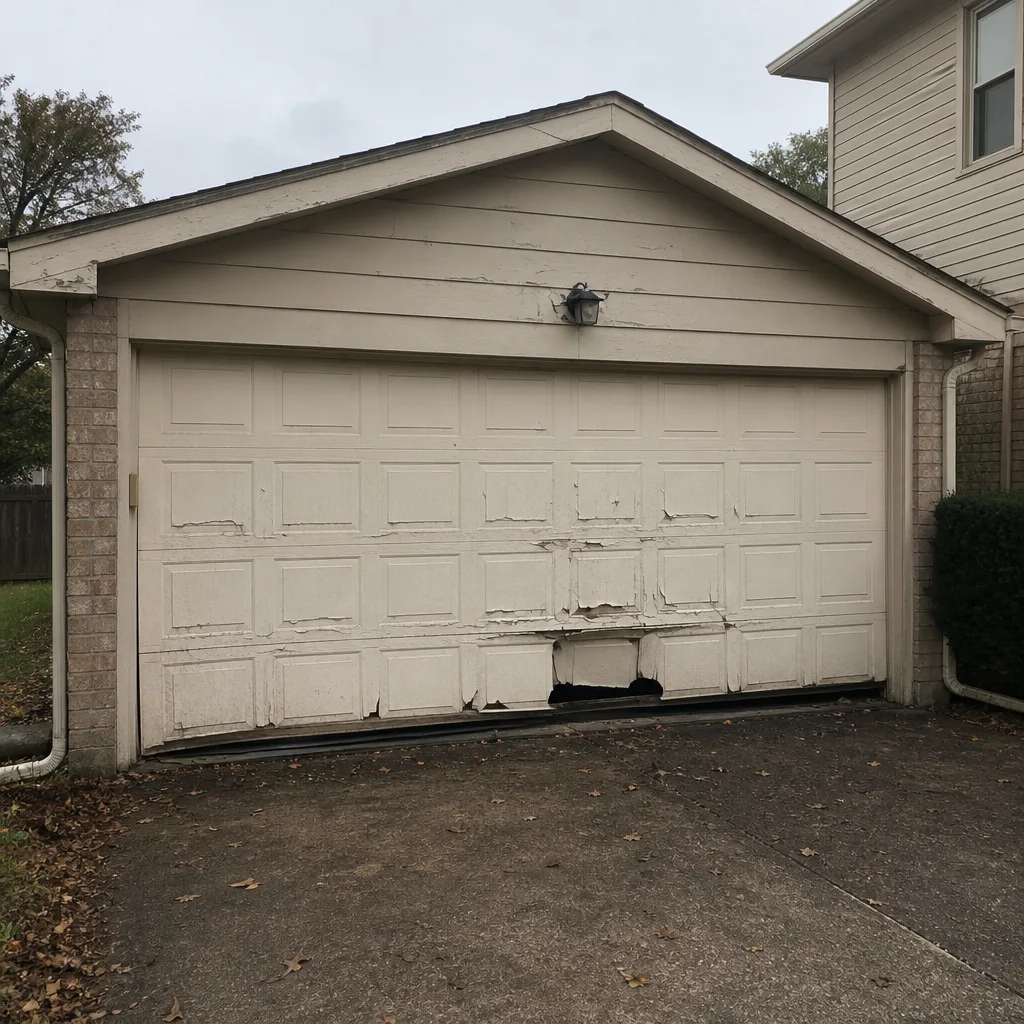 Before
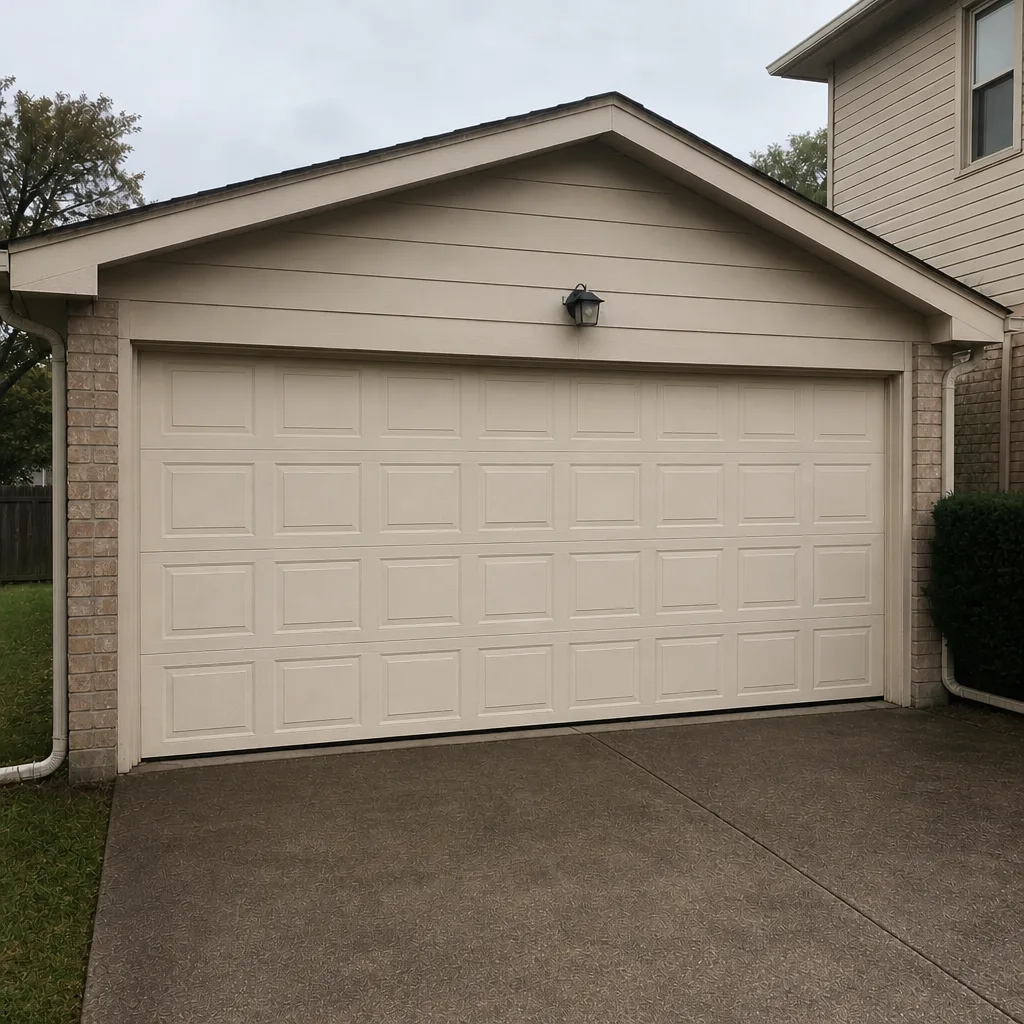 After
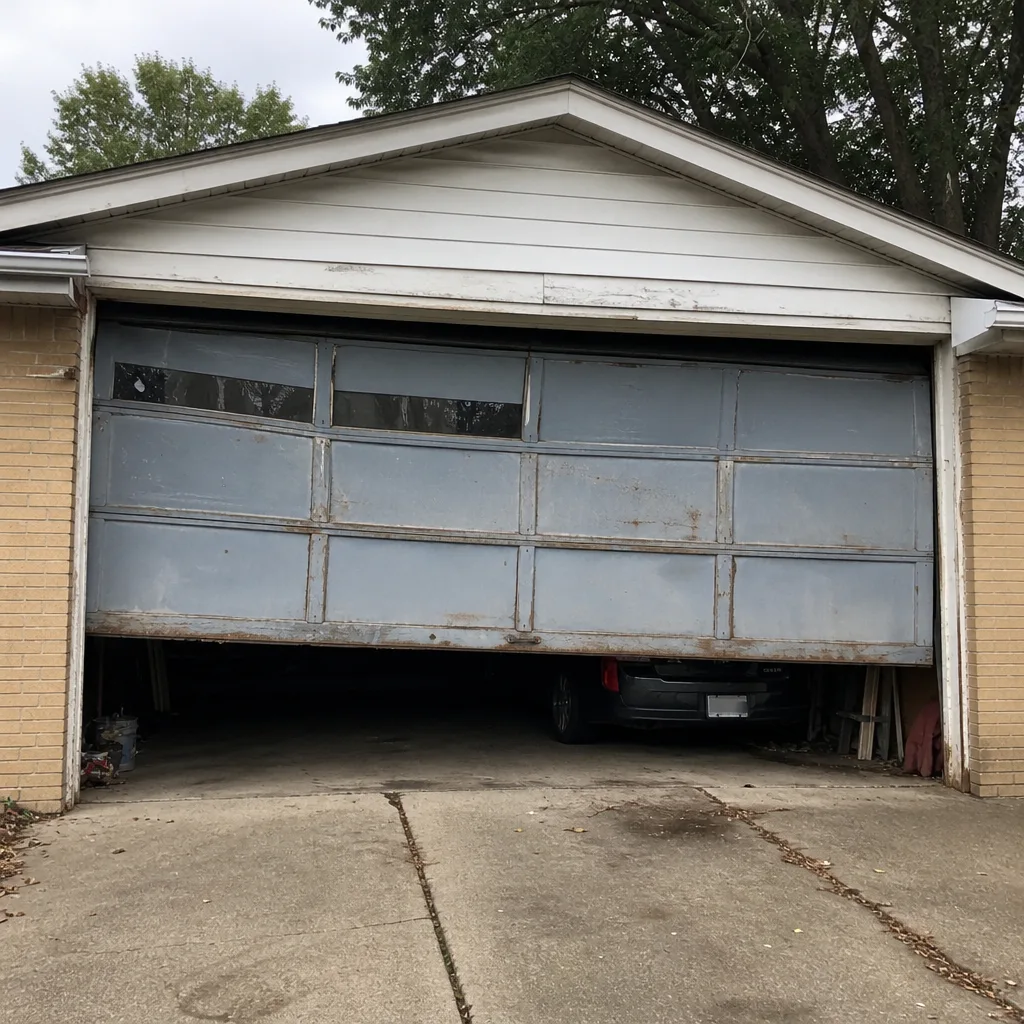 Before
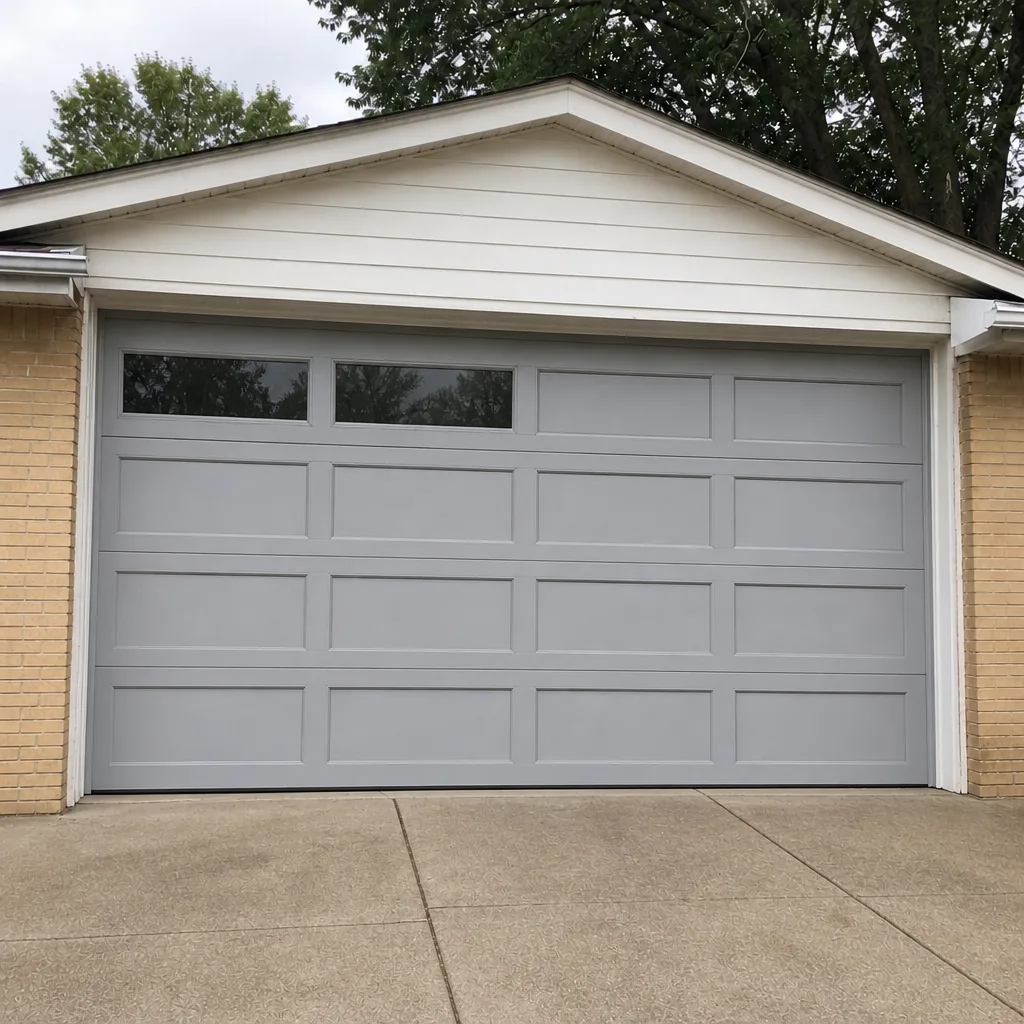 After
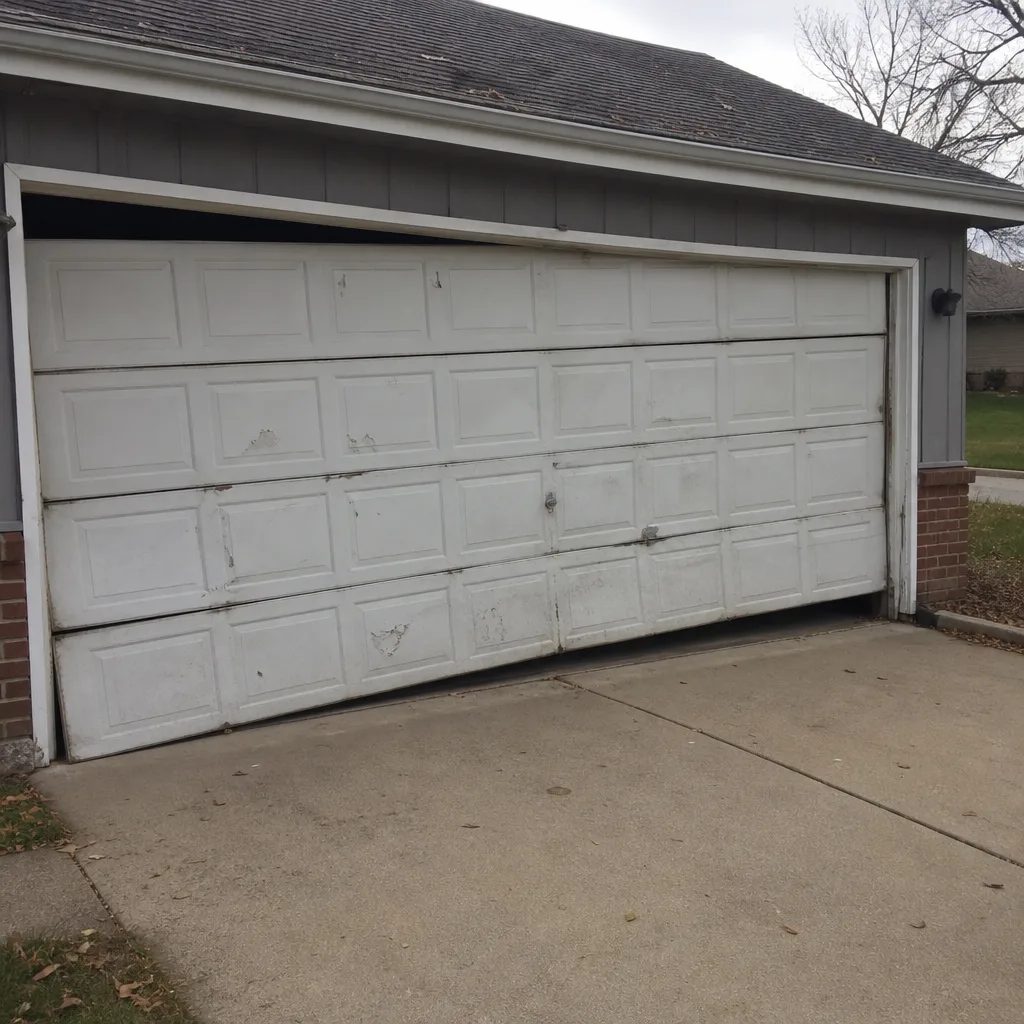 Before
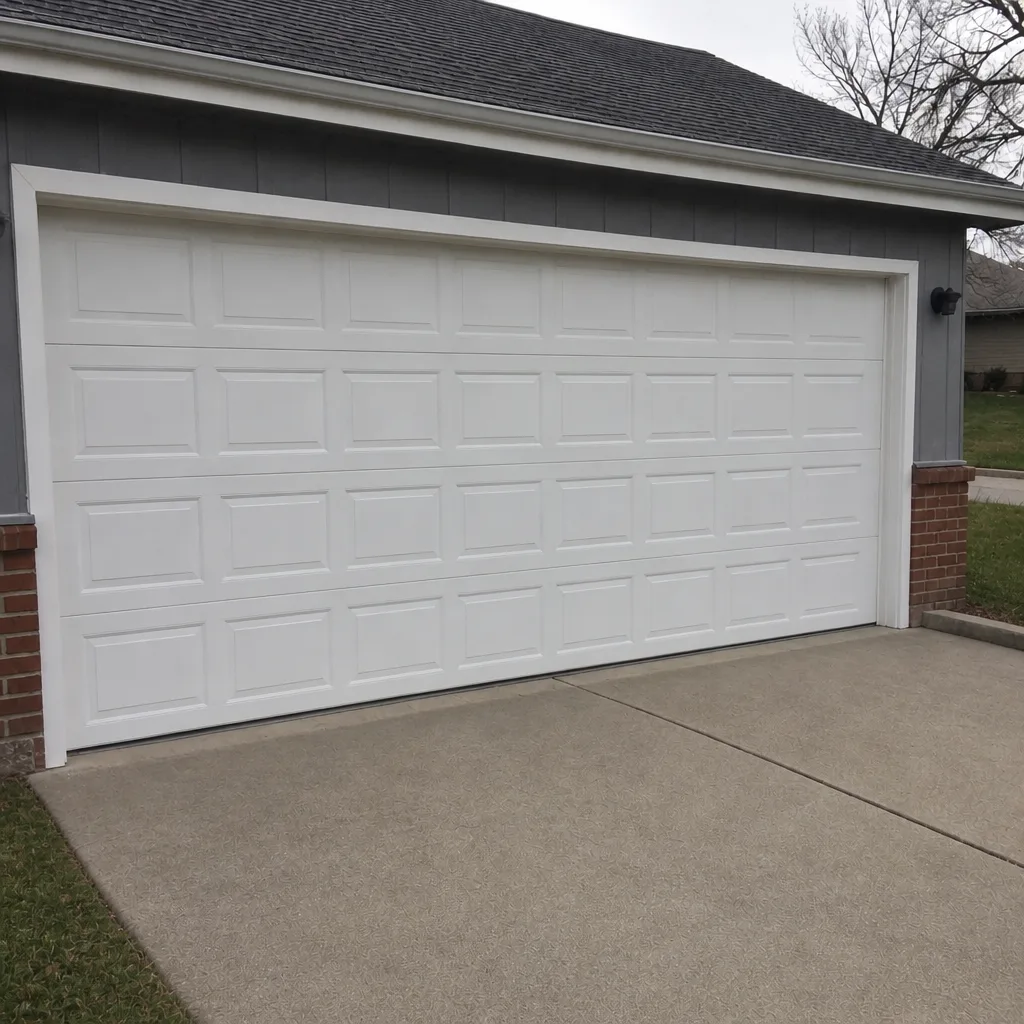 After
Frequently Asked Questions
It depends on whether the replacement is like-for-like. A same-size, same-material, same-fire-rating replacement usually does not require a permit, but a new installation, structural change, or door that’s different in material or rating often does. Call the Village of Schaumburg building department and describe the specific change. If you’d like a second set of eyes before you call, we’re happy to walk through the job with you – call (866) 947-9001 for a free estimate.
If the job doesn’t require a permit, yes – but be honest with yourself about whether it does. Spring work is dangerous regardless of permits, and the fire-rating requirement on attached garages is easy to miss. In our experience, the do-it-yourself installations that fail inspection are usually the ones where the homeowner didn’t realize a permit was needed until after the door was up. Confirm with the village first.
The inspector checks the door’s fit, the mounting to solid framing, the fire-rated assembly on attached garages, the opener’s safety devices if there’s an automatic opener, and the sealing and clearance. The inspection itself usually takes under an hour once the inspector is on site. If corrections are noted, they’re listed for a re-inspection. Call (866) 947-9001 if you’ve had an inspection fail and need the corrections addressed – estimates are free.
It can, depending on the policy and the claim. An insurer investigating a failure will look at whether the installation met code, and a closed permit is documented proof it did. Without it, the burden shifts to you. The safest approach is to pull the permit when it’s required and keep the paperwork with your home records. If you’re unsure whether your door needs one, call us at (866) 947-9001 and we’ll talk it through.
Ask the village for the permit history first, then decide: if a permit was required and never pulled, you’ll usually need a retroactive permit or a fresh installation with inspection. Getting this resolved quickly is worth the call to a professional, because the closing timeline is what’s at stake. Call (866) 947-9001 and we can assess the door and give you a written estimate for the work needed.
The permit itself is a separate village fee that varies with the job scope, so ask the building department for the current fee when you call. The door work is estimated up front, and the written quote sets the final price – we quote and agree on the price before any work starts. For an exact estimate on the door side, call (866) 947-9001 – estimates are free.
The Bottom Line
The garage door permit question in Schaumburg is smaller than most homeowners fear and more important than most expect. A quick call to the village before you order the door settles whether you’re in like-for-like territory or permit-required work, and it usually takes less time than the drive to the hardware store. The fire-rating requirement on attached garages is the code point to know, because it’s the one that most often catches homeowners during a sale. If you’re planning a replacement, planning a sale, or trying to sort out a door that’s already been flagged, a professional assessment early is the cheapest fix you can make. It’s a garage door, not a mystery – just make sure the paperwork keeps up with the door.
When you’re ready to talk through your Schaumburg garage door job, or when you need a permit-aware install done correctly the first time, we’re here. We work on doors, openers, and springs under one call, we’re fluent in Chamberlain, Genie, Clopay, Amarr, LiftMaster, Wayne Dalton, Craftsman, and Raynor systems, and we quote before we start. Visit us at Schaumburg Garage Door Repair Co or call (866) 947-9001 for a free estimate.
Written by the team at Schaumburg Garage Door Repair Co.